Scroll through Instagram and you will see the same travel shots on repeat. The Blue Lagoon glowing an almost surreal shade of blue in the middle of Icelandic lava fields. A Santorini sunset framed perfectly above whitewashed buildings and blue domes. Bali viewpoints packed with people waiting for their turn. Positano’s pastel houses stacked along the Amalfi Coast, cropped just enough to hide the road traffic below.
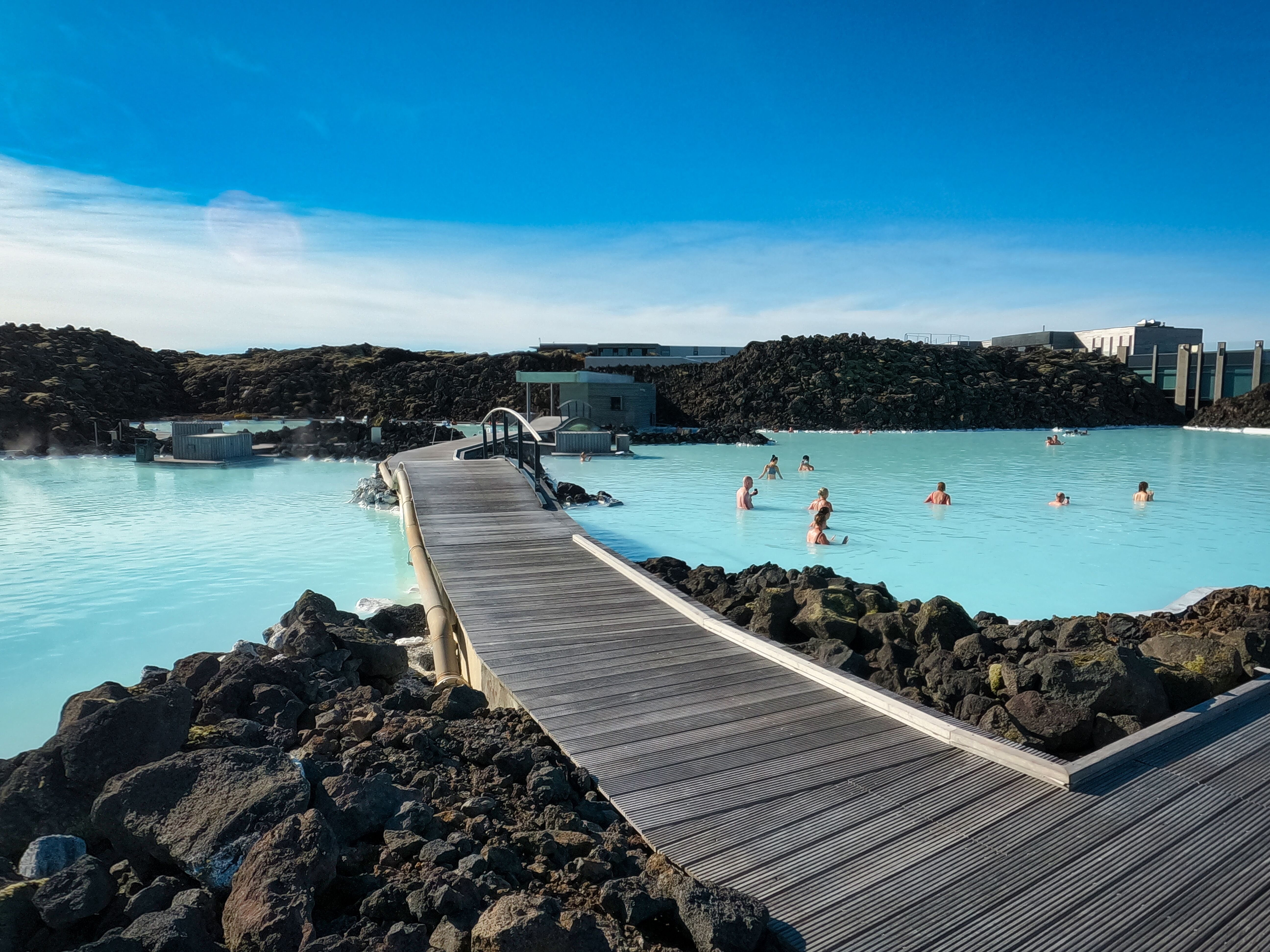 Blue Lagoon, Iceland. Photo: Travelholzi / Shutterstock
 They look flawless online, don't they? Well, in real life, they often disappoint.
At the Blue Lagoon, the famous milky water will usually dry out your skin, ruin your hair, and even damage jewelry thanks to the silica. If the weather turns, steam can roll in and wipe out the view entirely. In Positano, getting that postcard shot usually means standing in long, noisy queues while cars and construction crews rumble past. In some spots, you have to swim out or scramble for awkward angles just to avoid capturing the crowd pressed along the shoreline. And the list goes on.
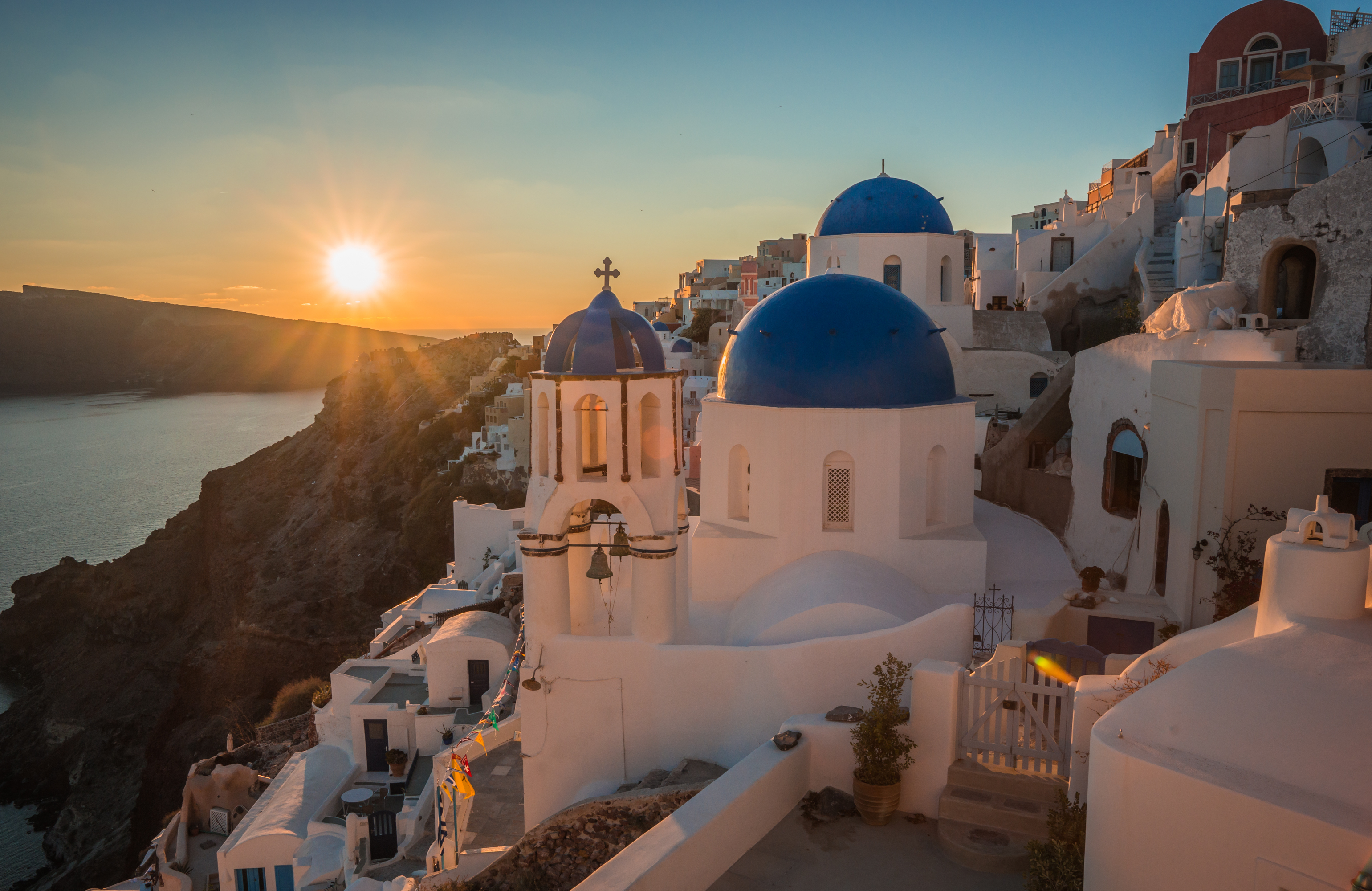 Santorini, Greece. Photo: siete_vidas / Shutterstock
The Switch to "Destination Dupes"
More travelers are starting to admit what they feel but rarely post their concerns or opinions. While these places are undeniably beautiful, the experience rarely matches the image that sold the trip. With around 80% of travelers visiting just 10% of the world’s destinations, the pressure on famous locations is almost impossible to ignore, in the context of large and noisy crowds and stress replacing the sense of escape many people were hoping for.
That frustration is also felt by city authorities and officials, leading to desperate measures like visitor caps, tourist taxes, and festival shutdowns in an attempt to decrease the number of people visiting each year.
Plus, the same frustration is feeding a quiet shift in how people travel. Instead of chasing viral spots, some are embracing what is often called anti-Instagram travel. The newly emerging trend is not necessarily about avoiding photos entirely, but rather about choosing experiences that have personal meaning for you and are not simple magnets for social media followers and likes. That might mean a whycation rooted in something personal, a low-key hushpitality escape designed for rest and digital distance, or a hidden gem offering similar scenery without the chaos.
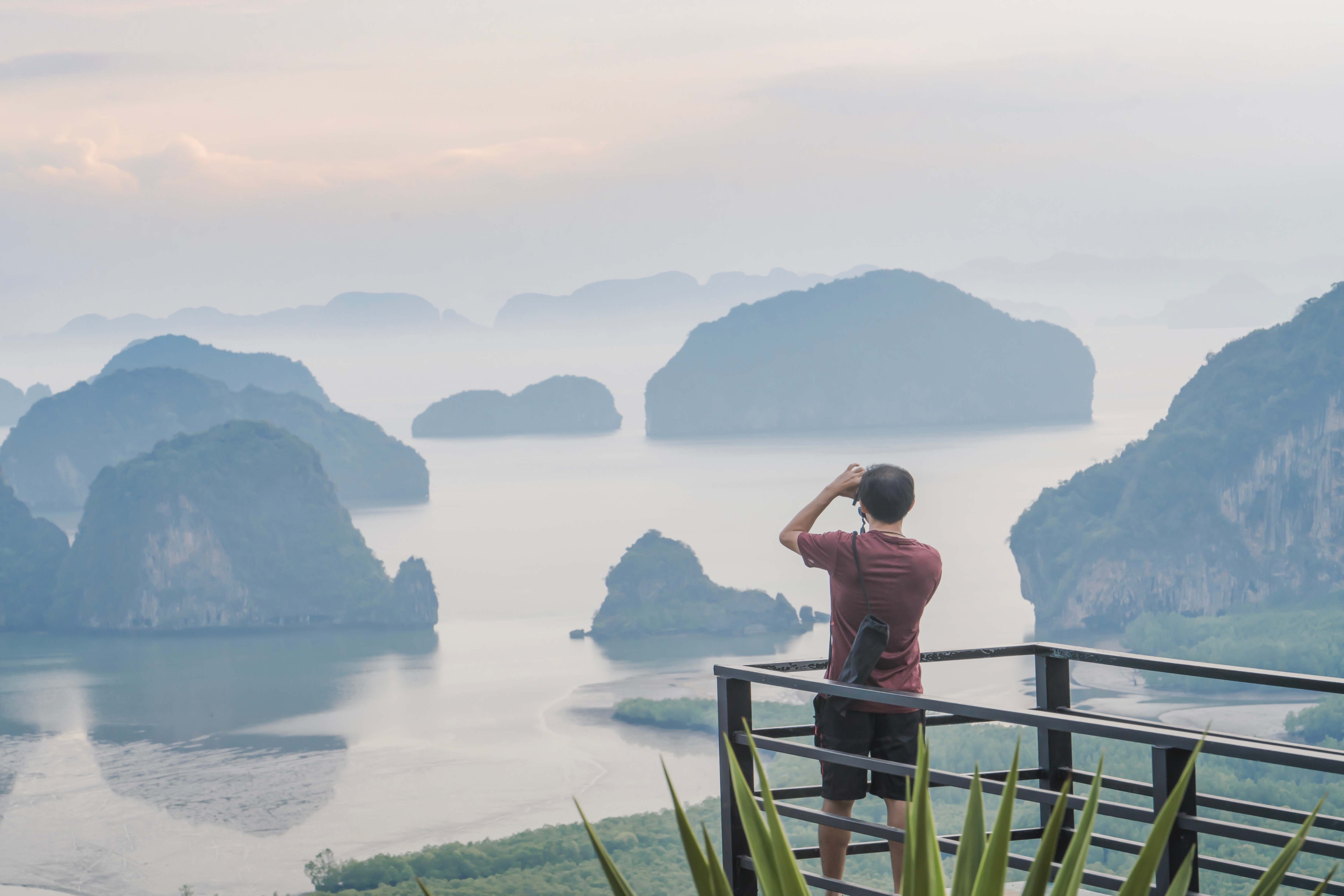 Thailand. Photo: Vladimir Razgulyaev / Shutterstock
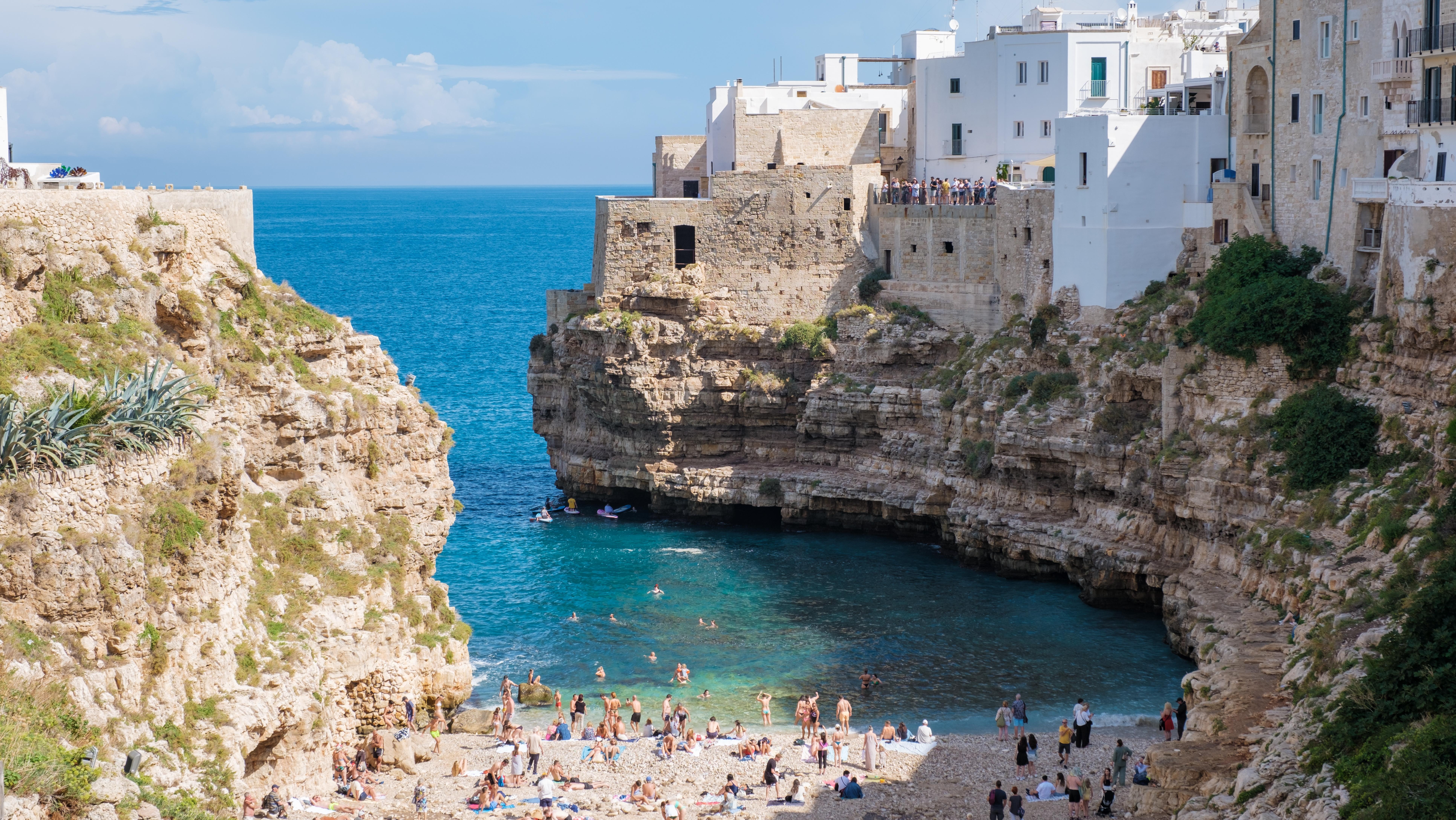
 Also referred to as “destination dupes”, these are places that share the appeal of famous hotspots but have not been flattened by algorithms and crowds. For example, Puglia instead of the Amalfi Coast, Azores instead of Madeira, Slovenia instead of Croatia, Ayutthaya instead of Bangkok, Chefchaouen instead of Marrakech, Liverpool instead of London, or Siena instead of Florence.
These options are not only a good example of pushing for authenticity, but they also help travelers actively looking for real experiences find just what they need.
At its core, anti-Instagram travel is about presence and a desire to turn photos into memories, not simple objectives to tick off a list. In a world obsessed with the perfect feed, the most rewarding trips may be the ones that look nothing like everyone else’s.