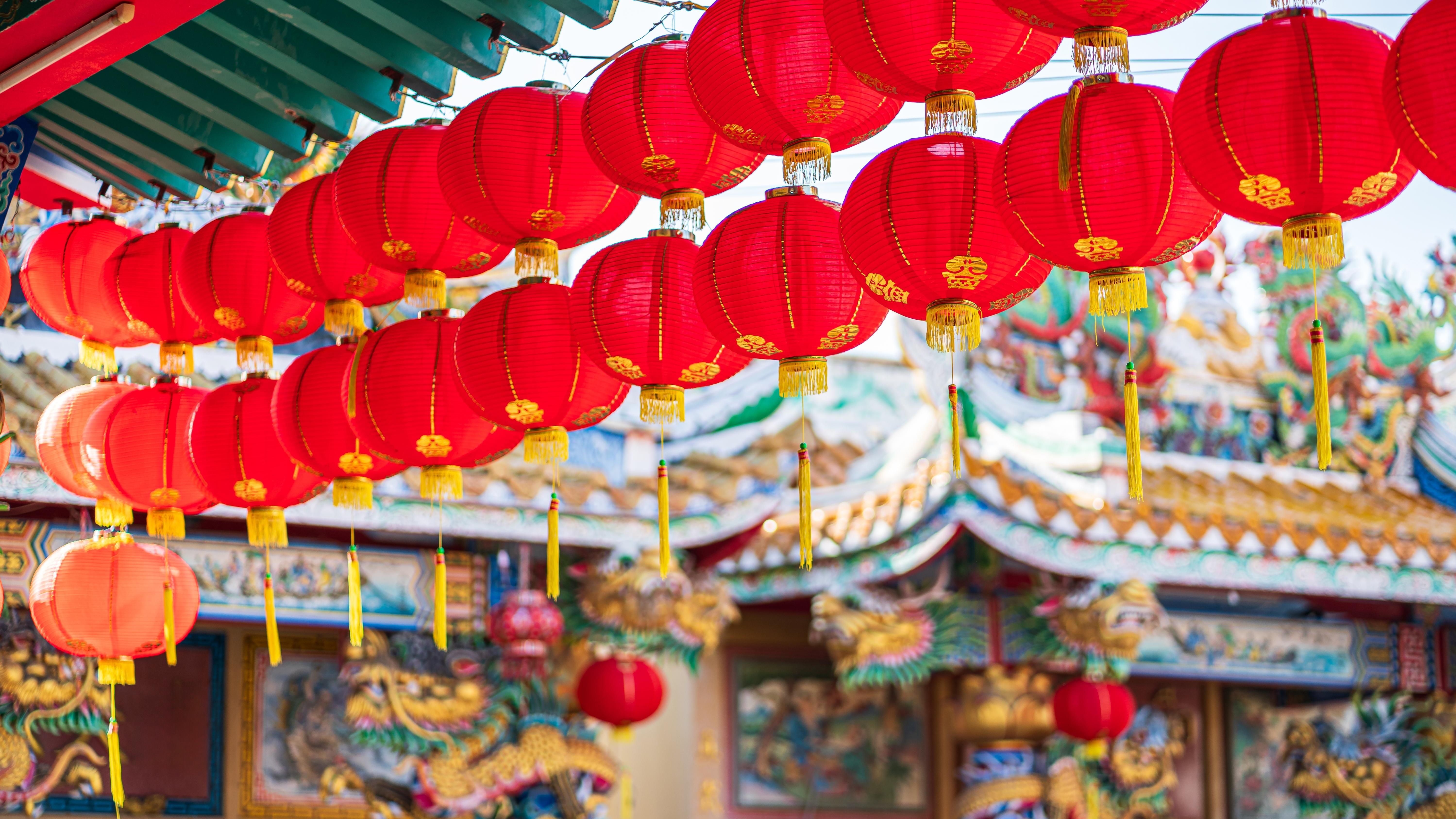
If you're looking for a special, one-time opportunity to visit China, the Chinese New Year is the perfect time. Also known as the "Spring Festival," the holiday is not just a local holiday but a cultural phenomenon that reaches 1.5 billion people in China and in Singapore, Taiwan, Korea, Vietnam, Thailand, and many other countries in East Asia.
The holiday, which usually runs from late January to mid-February (February 17 in 2026), lasts 15 days and features age-old traditions, culminating in the famous and spectacular Lantern Festival. It is a time when the entire country comes to a standstill for two festive weeks of family reunions, house-cleaning to ward off bad luck, and the distribution of "hong bao" (red envelopes filled with money).
If you plan on traveling to China, we've mapped out the locations of the celebrations in three of the country's most central cities: Beijing, Shanghai, and Chengdu.
Beijing: The Imperial Experience
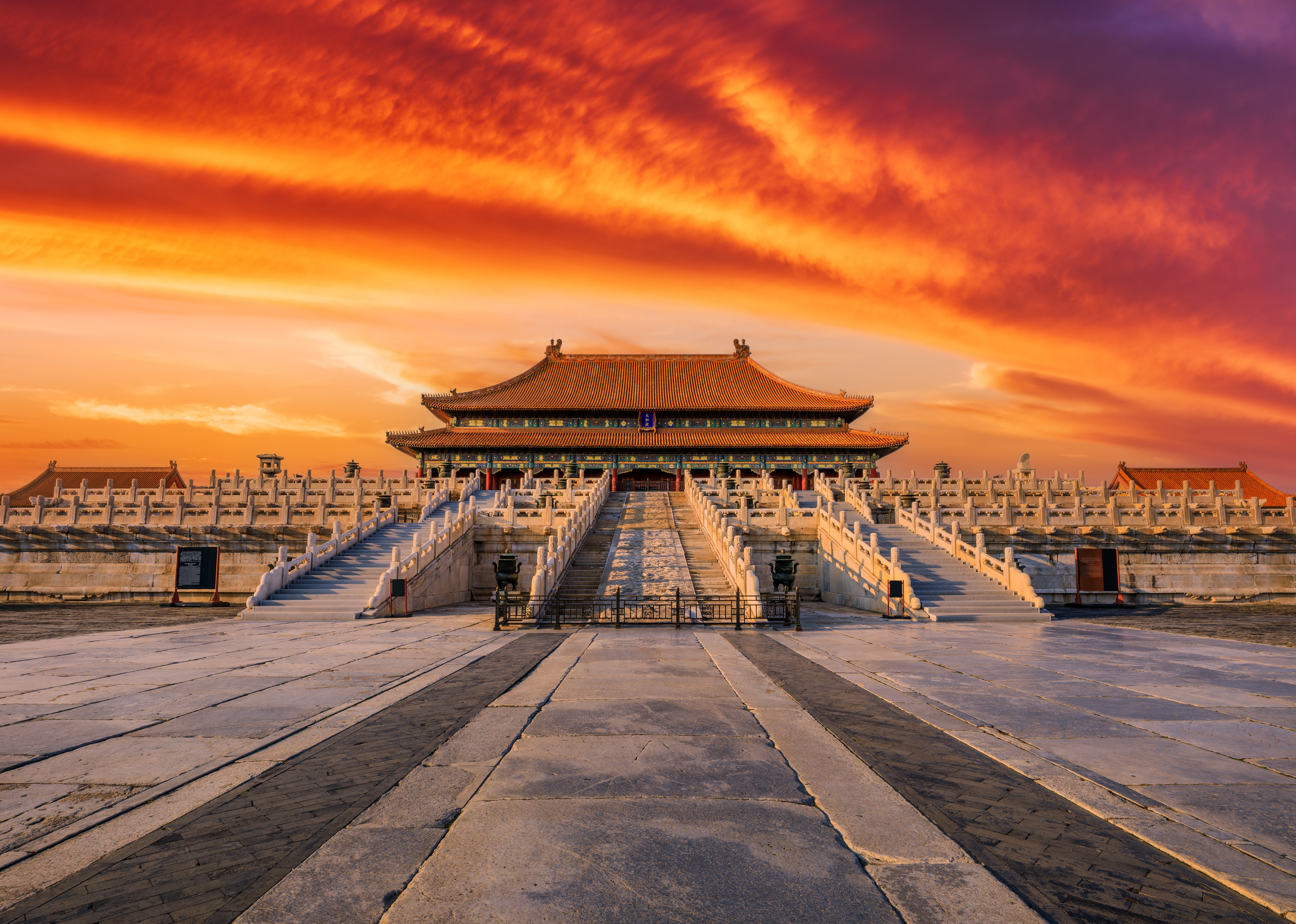 Credit: shutterstock
Culinary: In Beijing, the official holiday dish is jiaozi (dumplings), which symbolize wealth and luck.
Shanghai: Between Skyscrapers and Tradition
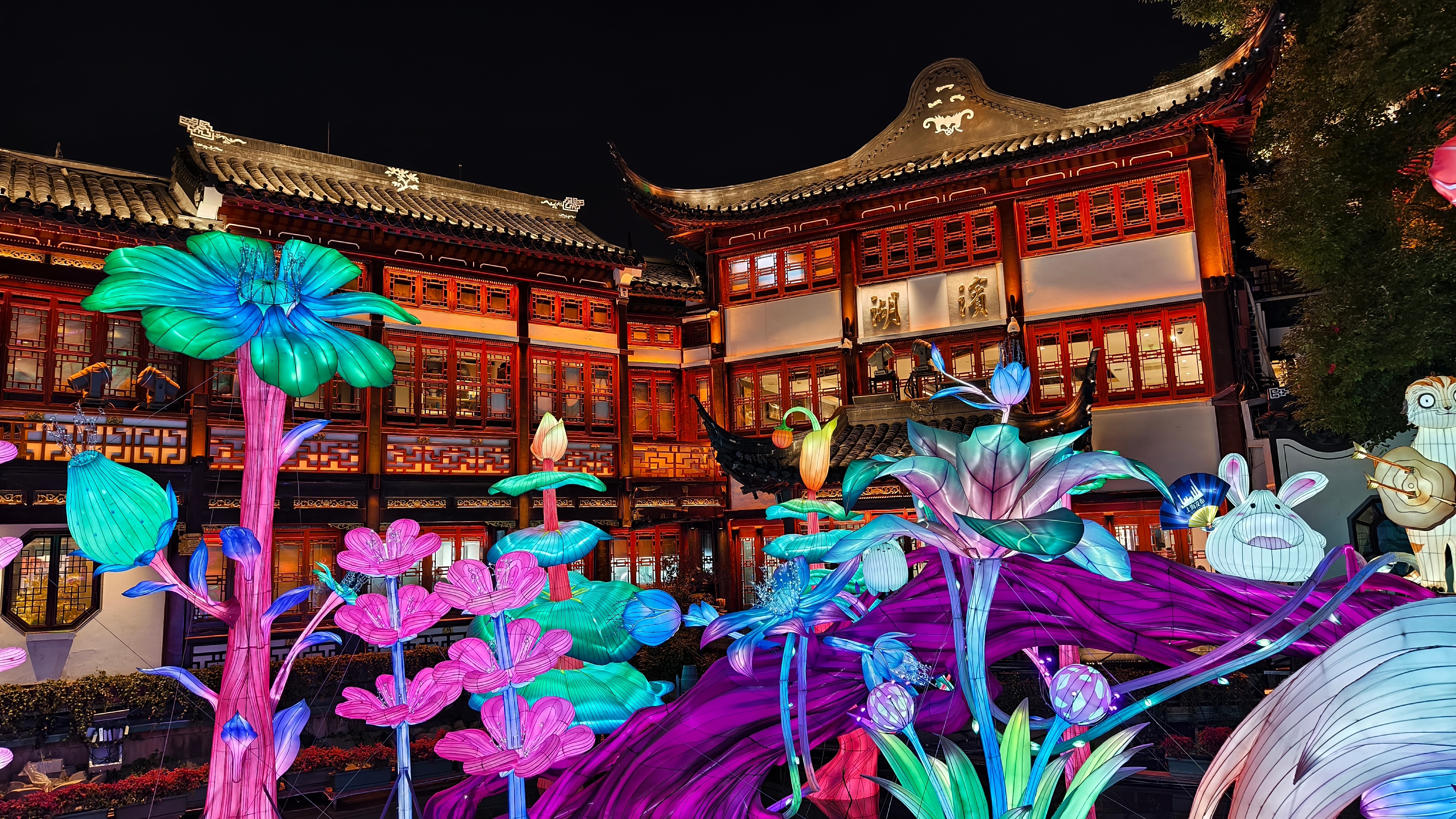 Credit: shutterstock
Chengdu: Peace and History
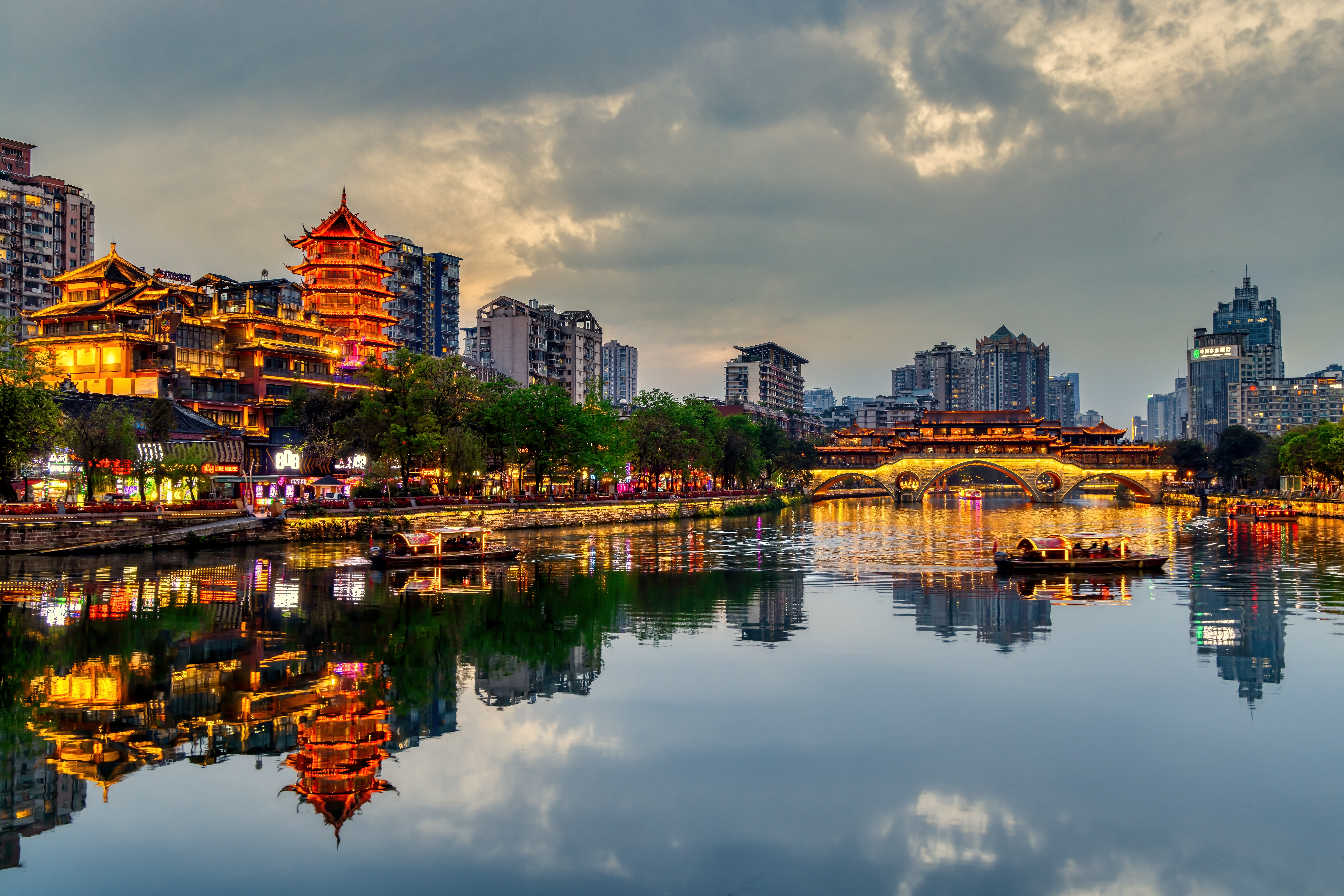 Credit: shutterstock
Wuhou Temple Fair: The city's iconic event, when temple grounds are filled with folklore performances, festive decorations, and an atmosphere that celebrates the glorious local history.
Jinli Ancient Street: On holiday nights, this ancient street becomes especially magical under the light of red lanterns, with food and handicraft stalls against a backdrop of classical Sichuan architecture.
Chunxi Road Shopping District: The area brings the city's contemporary vibe with interactive displays and festive pop-ups.
Green retreat: For those seeking peace and quiet amid the hustle and bustle, Chengdu Cultural Park offers more relaxed celebrations in green, tranquil spaces.