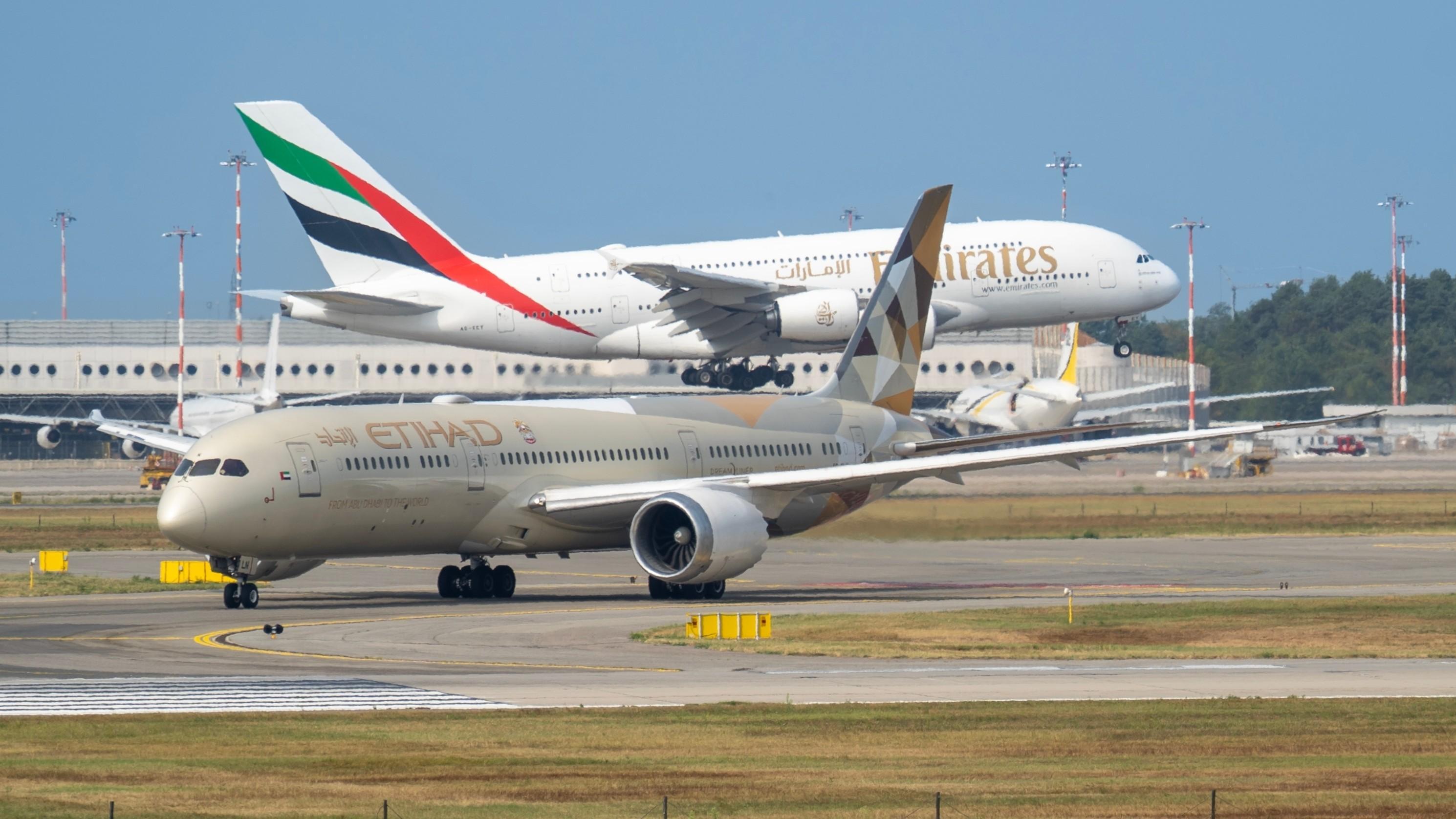
Closed airports, airlines that have reduced their operations or completely suspended flights, and closed airspaces are causing an unprecedented upheaval in the Middle East aviation industry.
According to a special report by Cirium, a company that monitors global aviation activity, more than 1,400 flights have been canceled in the region every day since the start of the war, with more than 2,300 flights canceled on some days. The airports in the Persian Gulf with the greatest aviation damage are the ones in Bahrain, Abu Dhabi, Muscat, Doha and Dubai.
According to the report, the average daily cancellation rate in the Middle East is 56.3%, but this average includes airports active in the region such as Jordan and Saudi Arabia.
The day with the most significant cancellations so far was March 3, when 65% of flights in the Middle East were canceled. Except for the day the campaign began, February 28, when most Middle Eastern countries had not yet entered the war, the day with the fewest cancellations was yesterday, March 8, when 44% of flights in the region were canceled.
Uncertain Future
There is no doubt that the giant companies that serve the Middle East, such as Emirates, Etihad, and Qatar Airways, will survive the period and recover after the war.
But smaller companies, with poorer cash flow and limited operations compared to the Gulf giants, may find themselves facing real danger to their operations the longer the war drags on, and they remain unable to return to the air.