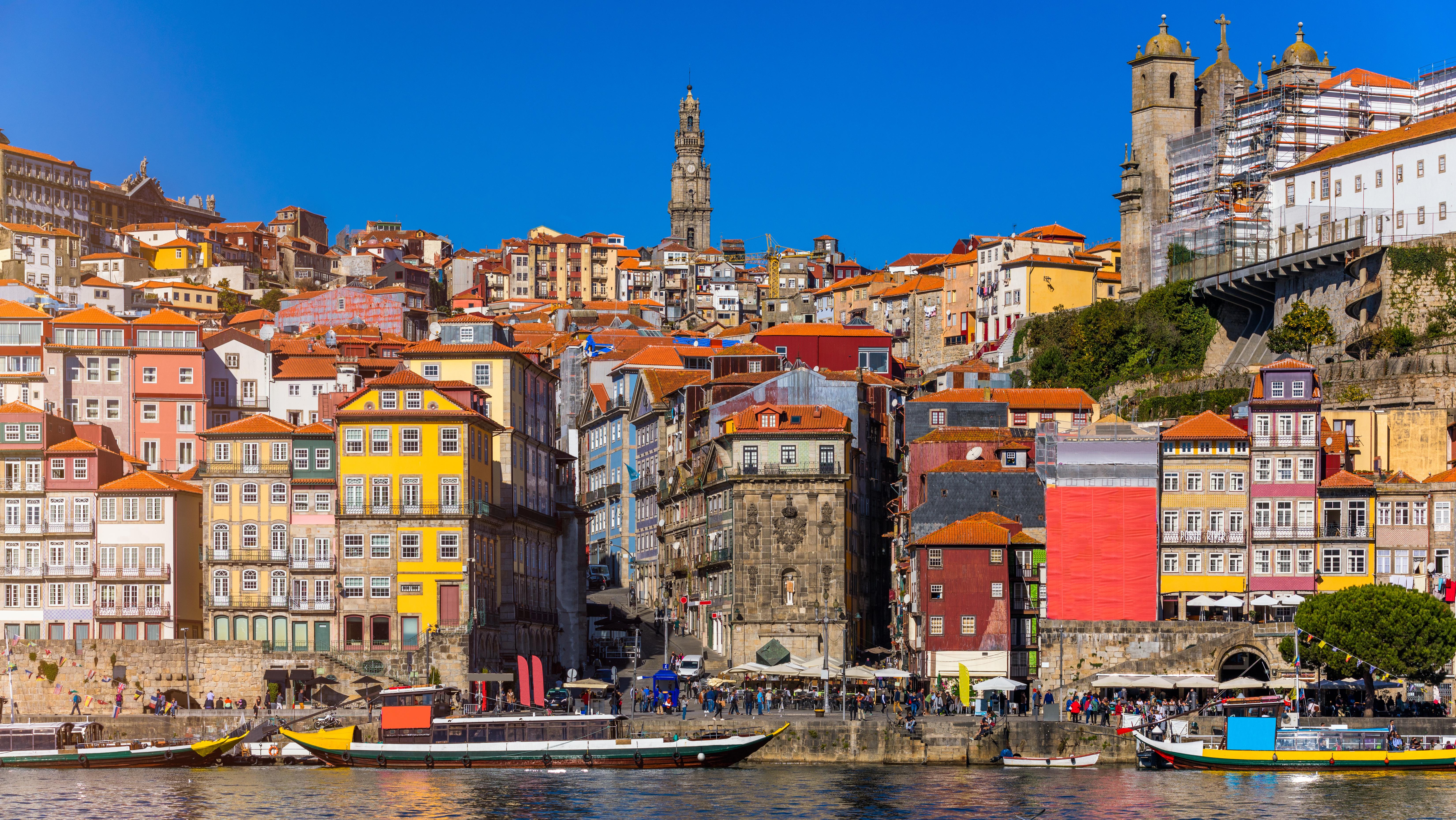
The current war in the Middle East is changing the way people choose to travel and the destinations they prefer. From flight cancellations to rising fuel costs and safety concerns, the conflict has already started to alter global tourism patterns. For many travelers, especially those heading to or through the region, the result is simple: change plans and choose a different destination.
A Region Facing Travel Disruption
One of the most immediate effects of the conflict has been disruption to air travel. Military tensions have forced airspace closures and caused widespread flight cancellations, affecting thousands of passengers and airlines worldwide.
Within the first days of the escalation, thousands of flights were cancelled and many routes were rerouted to avoid the region.
The impact extends far beyond the Middle East. Airlines around the world are adjusting routes, dealing with longer flight paths and higher operating costs. Rising fuel prices are also pushing ticket prices higher, particularly on long-haul routes.
For travelers, these disruptions are prompting reconsideration of traditional routes and destinations.
Travelers Avoid Conflict Zones
One of the biggest changes is of a psychological nature, as even destinations that are not directly involved in the conflict are seeing a drop in demand simply because they are located nearby.
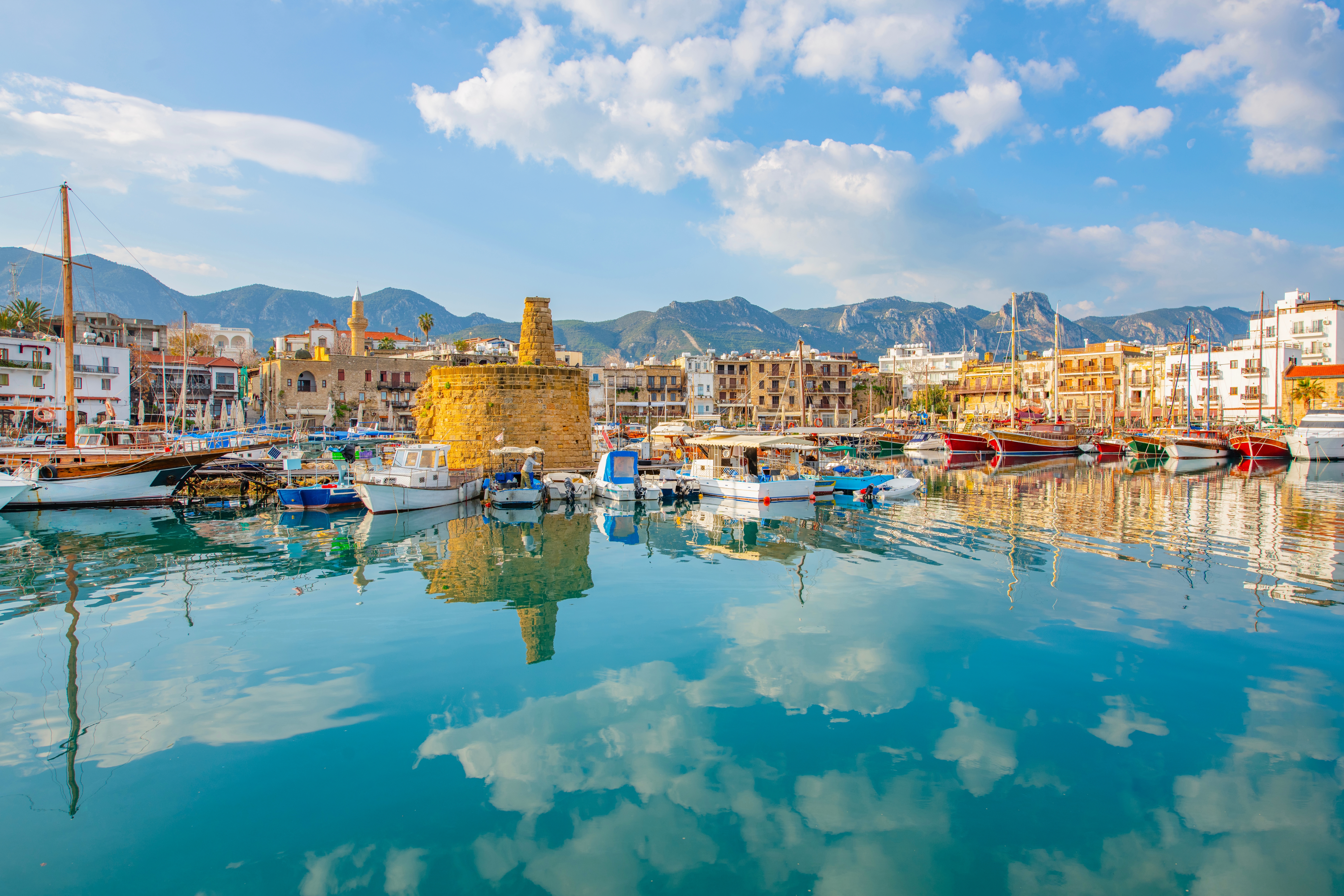 Cyprus. Photo: Shutterstock
Countries like Cyprus, which normally attract millions of visitors each year, are already seeing cancellations as travelers worry about proximity to the conflict. Probably the best reflection of the situation was offered at the ITB, which saw many pavilions of countries and organizations in the Middle East and the Gulf region either completely or with sparse traffic due to the inability to reach Berlin, resulting from airspace closures in several Middle Eastern countries.
Across the region, tourism arrivals could fall between 11% and 27% in 2026, which could mean tens of millions fewer visitors and billions of dollars in lost tourism revenue, according to a recent Oxford Economics study.
"GCC countries will see the largest losses, as they are the largest destinations in the region which have previously relied on perceptions of safety and stability", says the report.
Some Gulf destinations are already feeling the pressure. Hotels in cities like Dubai have begun offering discounts and staycation deals to attract domestic travelers after international demand slowed.
Europe Is Becoming the Main Alternative
As travelers avoid areas close to the conflict, many are redirecting their trips to Europe, with destinations such as Spain possibly benefiting from the shift as travelers search for alternatives that feel safer and easier to reach.
 Spain. Photo: Shutterstock
Southern Europe in particular is gaining attention. Countries like Spain, Portugal, Italy, and Greece remain relatively close for travelers from Europe and the Middle East but are perceived as stable and safe.
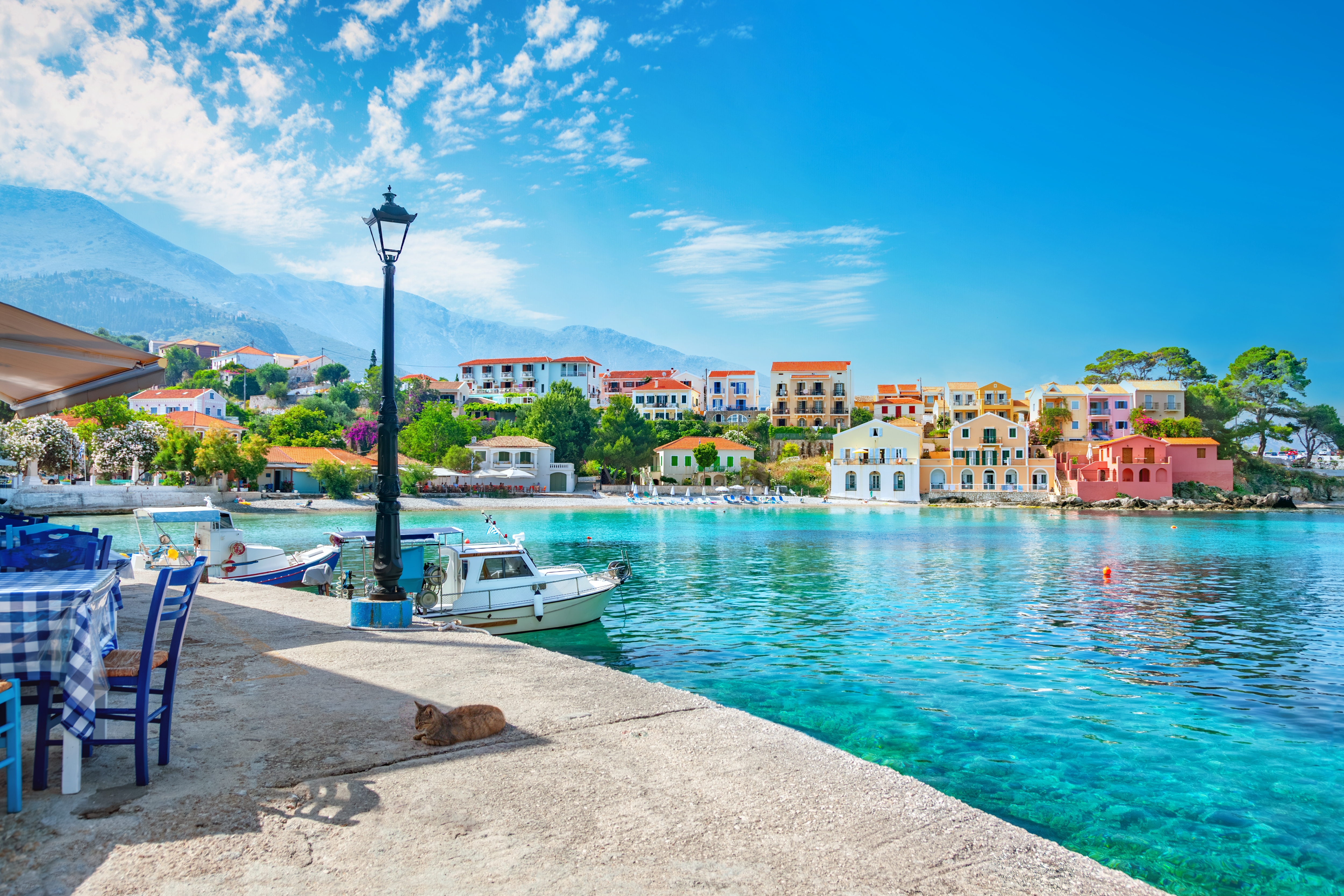 Greece. Photo: Shutterstock
Travel demand is also shifting toward destinations that do not require passing through Middle Eastern airspace, which historically served as a major transit hub between Europe and Asia.
Asia and Long-Haul Destinations Gaining Interest
Another emerging trend is the growing popularity of long-haul destinations. According to travel analytics company Mabrian, travelers from Europe and the United States are increasingly considering destinations farther from the conflict zone.
Countries in Southeast Asia such as Thailand, Vietnam, and Indonesia are seeing renewed interest, especially among travelers who had previously planned Middle Eastern stopovers or beach vacations.
 Vietnam. Photo: Shutterstock
Japan and South Korea are also benefiting as travelers look for destinations that feel politically stable and well-connected to international flights.
Closer-to-Home and Domestic Travel Is Rising
At the same time, uncertainty is likely to push some people to stay closer to home and opt for domestic tourism and short-haul trips. Travelers may postpone long trips or replace them with regional holidays until the situation becomes clearer.
For now, the biggest winners appear to be destinations far from the conflict zone, particularly in Europe and Asia. Meanwhile, tourism across parts of the Middle East is facing one of its most uncertain seasons in years.