The International Air Transport Association (IATA) has published the results of several trials examining the use of digital-only documents in the aviation industry. The trials were conducted in collaboration with airlines, airports, technology providers and governments in Europe and the Asia Pacific region.
The findings indicate that contactless international flights are already possible, with digital identification replacing physical documents such as passports and boarding passes.
The experiments used digital wallets and biometric authentication, allowing passage between different points in the airport without repeated document checks.
It was also found that there is a high level of compatibility between different systems, allowing the use of multiple digital wallets at the same time, including solutions such as Apple Wallet and Google Wallet, and government programs. Passengers could share identifying information in advance, securely and with their consent, to streamline the screening process.
IATA's key conclusions:
A. Wallet-based digital identity can be used, both globally and nationally, even in a real operational environment.
B. Sharing information in advance allows for early inspections and reduces congestion at checkpoints.
C. Biometric authentication can replace manual document checks.
D. A single digital identity can accompany the traveler throughout the entire journey.
E. Compatibility can be achieved between systems of different countries, airlines and airports.
The trials themselves examined three main scenarios: connecting flights with a connection, using a digital identity managed by an airline, and combining different identity systems on the same trip. Among the participants were companies such as Japan Airlines, Air New Zealand, and IndiGo, along with airports and technology providers.
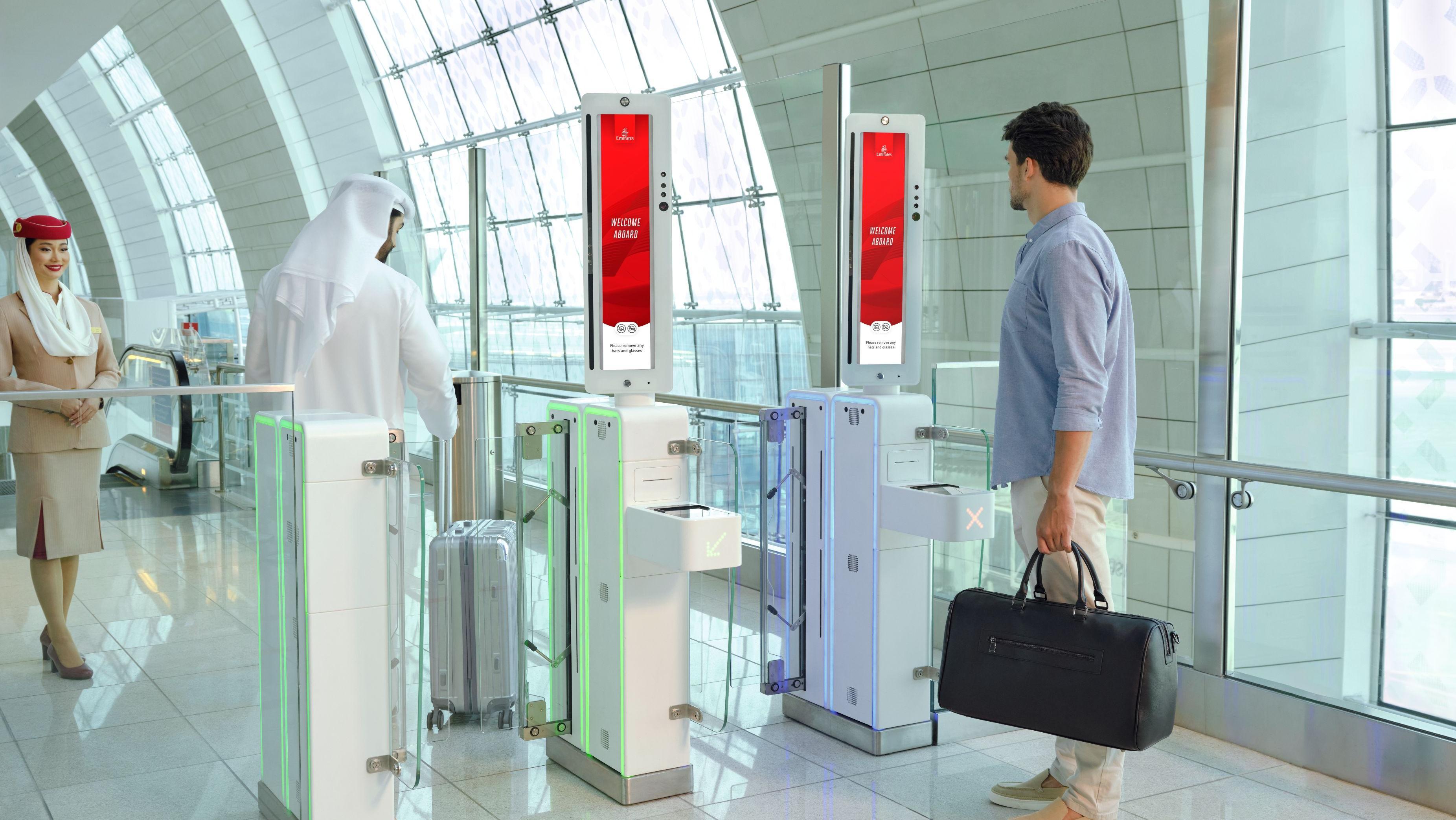
 Biometric verification. Photo: 123rf
According to IATA, the next step is to move from experimental applications to widespread adoption. This requires government action in three areas: creating infrastructure for issuing digital passports, adapting border and visa systems to accept these documents, and international cooperation for global implementation.
Let us recall that the United Arab Emirates did not wait for IATA and recently began implementing the option of biometric identification at Dubai Airport for Emirates passengers. At the same time, a number of airports around the world, including those in the East, have begun considering digital identification.