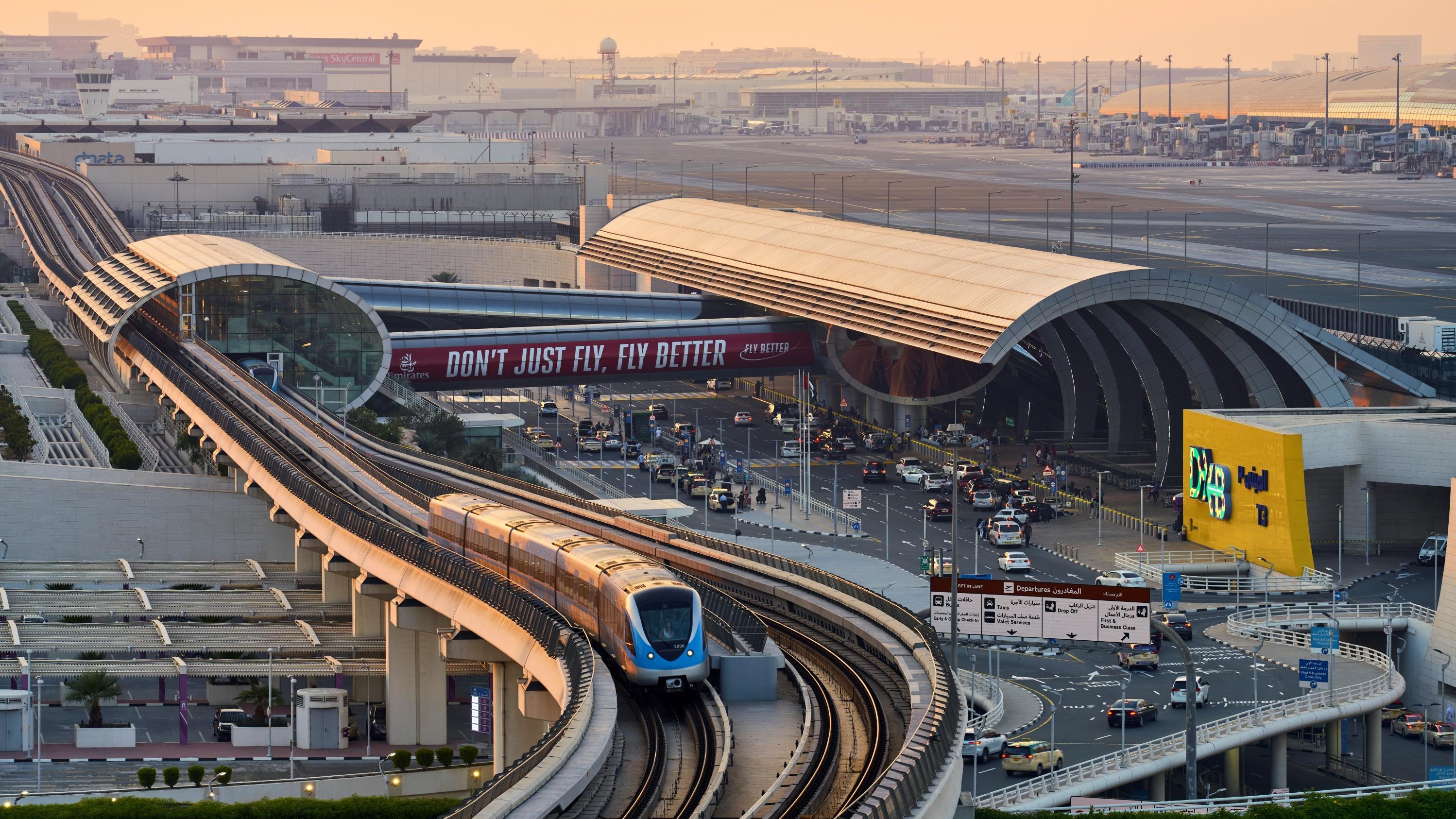
Dubai International Airport (DXB) is returning to normal amid the lifting of air restrictions in the region, and is trying to broadcast business as usual. A new report published today (May 4, 2026) shows a complex picture of passenger and aircraft movements during the war.
According to the airport's announcement, following the removal of all restrictions in the airspace of the United Arab Emirates, work is underway to expand activity and restore flight frequencies in accordance with regional routing capacity.
Since the end of February, when disruptions in Dubai began and worsened in March, Dubai's airports have remained active, handling a total of 6 million passengers, more than 32,000 aircraft movements, and approximately 213,000 tons of cargo by the end of April.
As mentioned, Dubai is now entering a recovery phase, with flight traffic gradually increasing and airlines restoring their schedules. Capacity currently depends mainly on the availability of flight routes to and from the UAE, in coordination with neighboring countries.
Hard Blow: Full Data From the Beginning of the Year
The first-quarter figures reveal the severe blow Dubai has suffered. In the first quarter, passenger traffic fell to 18.6 million (down 20.6% compared to last year). In March alone, DXB handled around 2.5 million passengers, a sharp drop of 65.7%.
The largest market for passenger traffic remained India, with 2.5 million passengers, followed by Saudi Arabia with 1.3 million, the United Kingdom with 1.2 million and Pakistan with approximately 918,000 passengers. London was the leading city to which flights from Dubai departed, followed by Mumbai and Jeddah.
Cargo volume in the quarter reached approximately 399,600 tons, a decrease of 22.7%, and aircraft movements totaled 88,000, a decrease of 20.8%. Roughly 17.6 million pieces of luggage were also handled during the period.
Alongside the recovery, Dubai is also continuing to advance long-term expansion plans at Al Maktoum Airport as part of Dubai's preparations for future growth in the aviation industry.
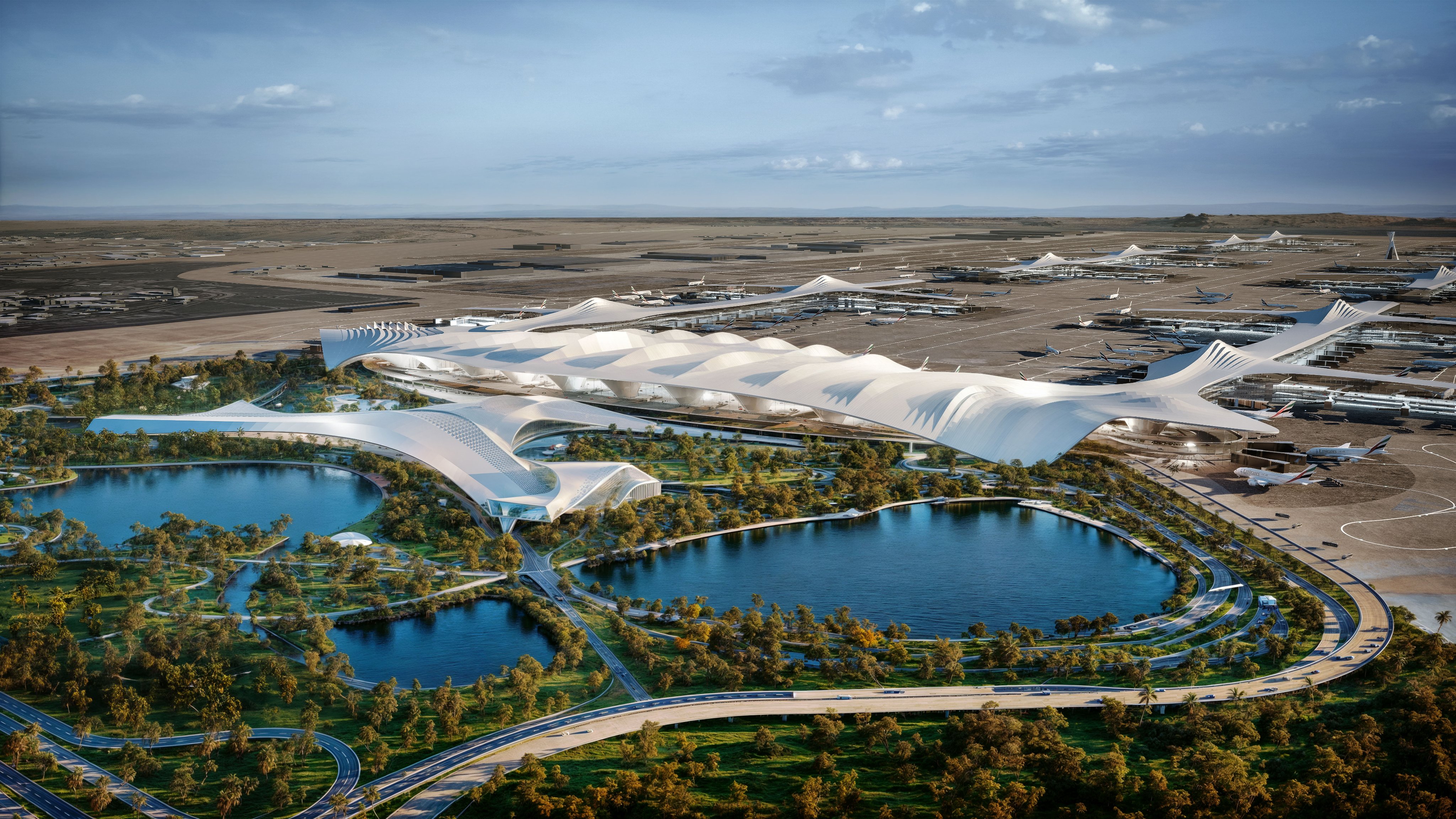 The future Al Maktoum Airport in Dubai. Photo: EMIRATES