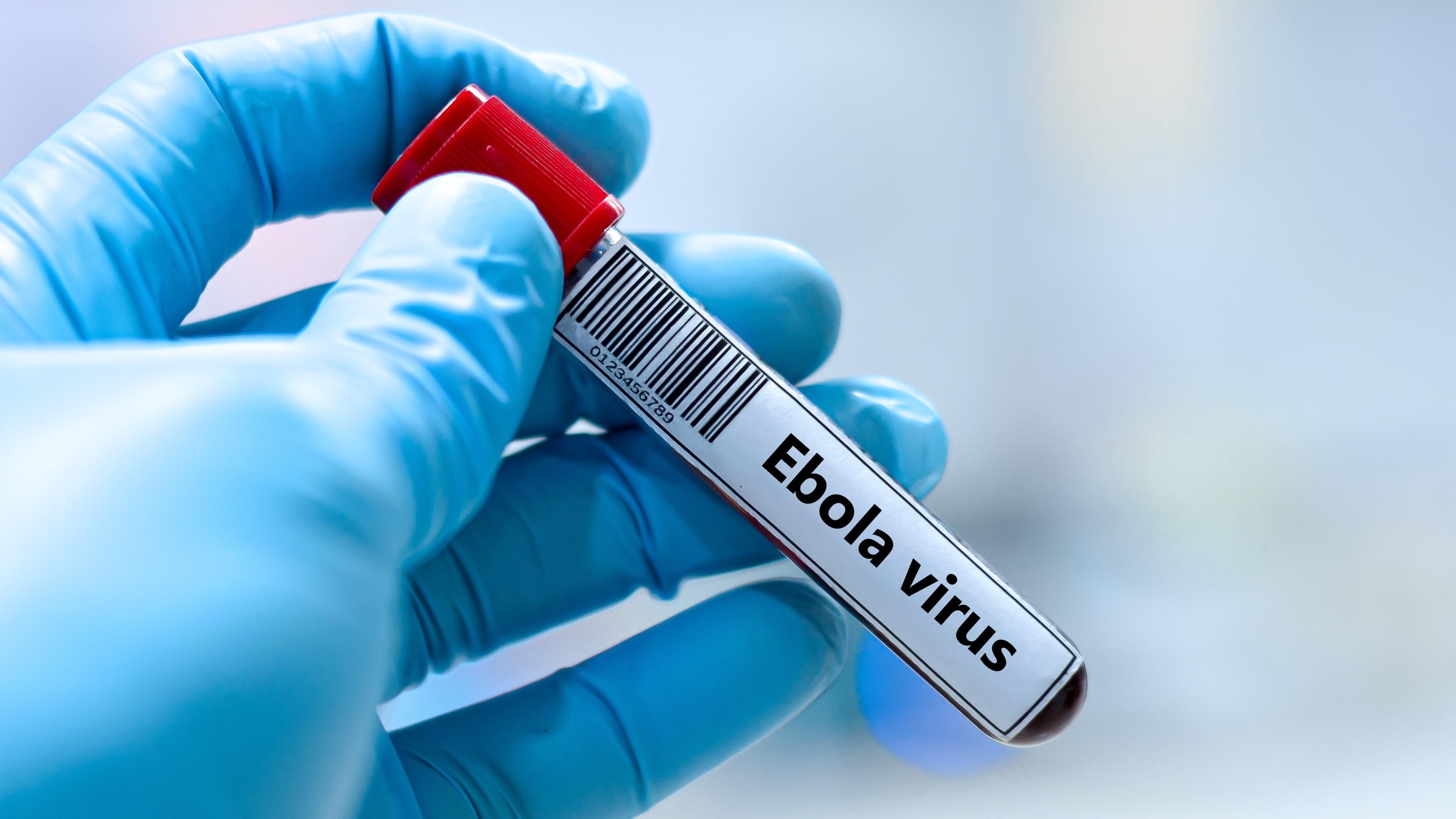
A U.S. citizen who tested positive for Ebola Bundibugyo disease after being exposed while caring for patients in the Democratic Republic of the Congo (DRC) is being transferred to Germany for treatment, according to the U.S. Centers for Disease Control and Prevention (CDC).
The CDC said the American patient developed symptoms over the weekend and tested positive late on Sunday, May 17. U.S. health authorities are now coordinating with the U.S. Department of State to transport the individual to Germany, which has prior experience treating Ebola patients.
Officials noted that Germany was selected both because of its specialized medical expertise and its closer proximity to Central Africa compared to the United States.
The CDC also confirmed that high-risk contacts associated with the exposure are being moved to Germany as a precautionary measure.
Ebola Outbreak Continues to Grow
As of May 19, health authorities in the DRC and Uganda have reported:
- 536 suspected cases
- 105 probable cases
- 34 confirmed cases
- 134 deaths
According to the CDC, the outbreak is rapidly evolving, with 26 new confirmed cases and 143 new suspected cases identified within the past 24 to 48 hours.
The figures also include two confirmed cases in Uganda, including one death, involving people who had recently traveled from the DRC. Officials said no additional spread has been reported in Uganda so far.
U.S. Strengthens Travel-Related Health Measures
On May 18, the CDC, the Department of Homeland Security, and other federal agencies introduced enhanced public health measures aimed at preventing Ebola from entering the United States.
The CDC issued a Title 42 order prohibiting travel to the United States for foreign nationals who have visited the DRC, Uganda, or South Sudan within the past 21 days.
The outbreak is being caused by the Bundibugyo strain of Ebola, a rare variant for which there is currently no approved vaccine or specific antiviral treatment. Health officials continue to rely on contact tracing, isolation measures, infection control, and public awareness campaigns to contain the spread.