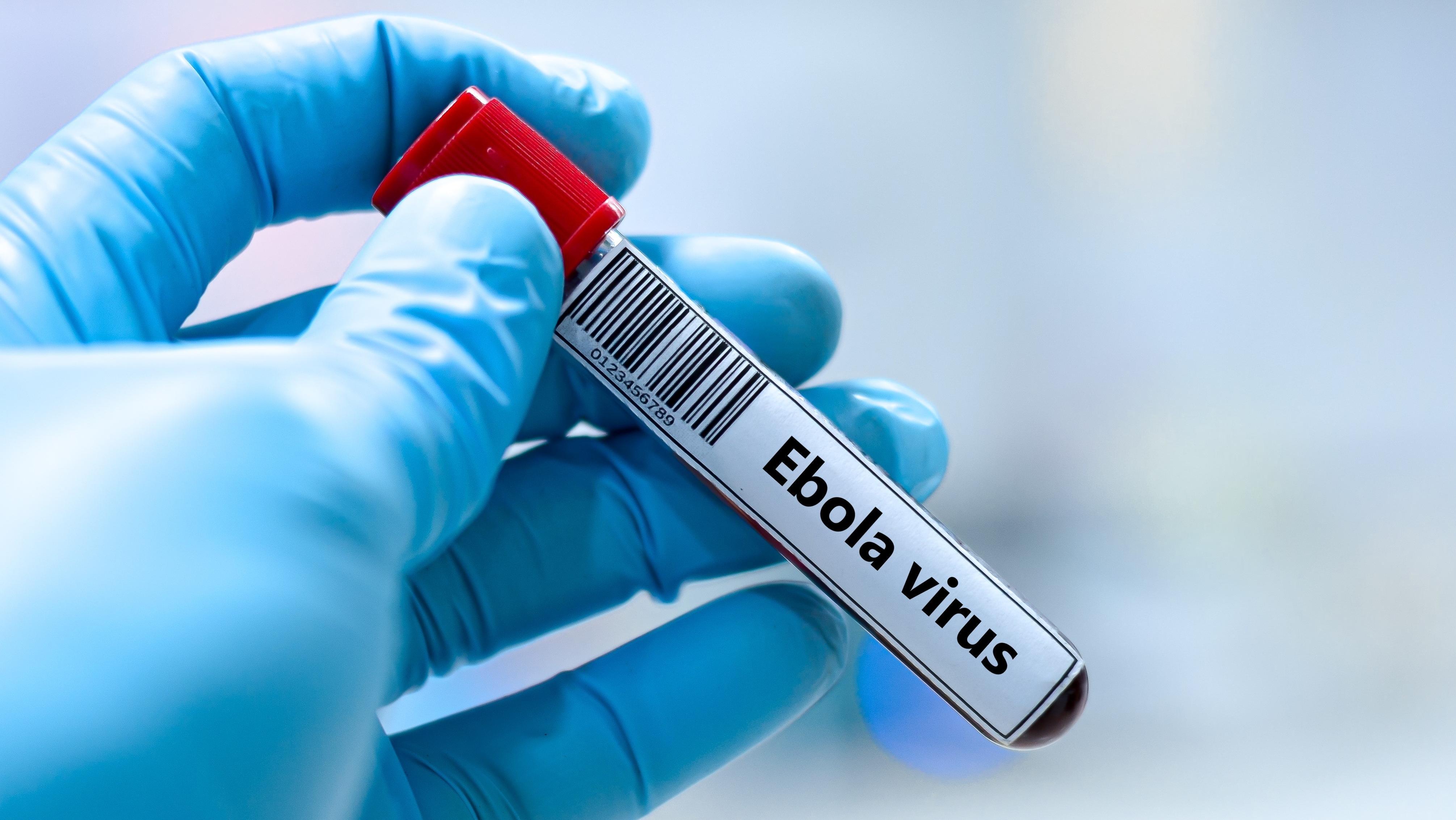
India’s Directorate General of Health Services (DGHS), under the Ministry of Health and Family Welfare, has issued a public health advisory for passengers arriving from or transiting through countries currently affected by the Ebola disease.
The alert, shared by Delhi Aiport, specifically applies to travelers coming from the Democratic Republic of Congo, Uganda, and South Sudan, which have been identified by Indian authorities as high-risk countries amid ongoing Ebola concerns in the region.
According to the advisory, passengers experiencing symptoms associated with Ebola are being instructed to immediately report to Airport Health Officers or designated health desks before completing immigration procedures.
Health officials listed fever, vomiting, diarrhea, weakness, fatigue, headache, unexplained bleeding, muscle pain, and sore throat among the symptoms travelers should watch for.
The DGHS also warned that anyone who had direct contact with the blood or body fluids of a suspected or confirmed Ebola patient must notify airport authorities immediately upon arrival in India.
In addition, the advisory states that travelers who develop symptoms within 21 days of arriving in India should seek urgent medical attention and inform healthcare providers about their recent travel history.
Authorities are also asking passengers to cooperate fully with health screening measures and other public health protocols implemented at airports.
The notice comes as several countries continue to strengthen border health monitoring following recent Ebola cases reported in parts of Central and East Africa. International aviation and health authorities have increased surveillance measures at airports in response to concerns over potential cross-border transmission through air travel.
India’s Airport Health Organization (APHO) is overseeing the implementation of screening and monitoring procedures as part of the country’s preventive response.
While no travel bans have been announced, the advisory signals heightened caution from Indian authorities as global health agencies continue monitoring the evolving Ebola situation.