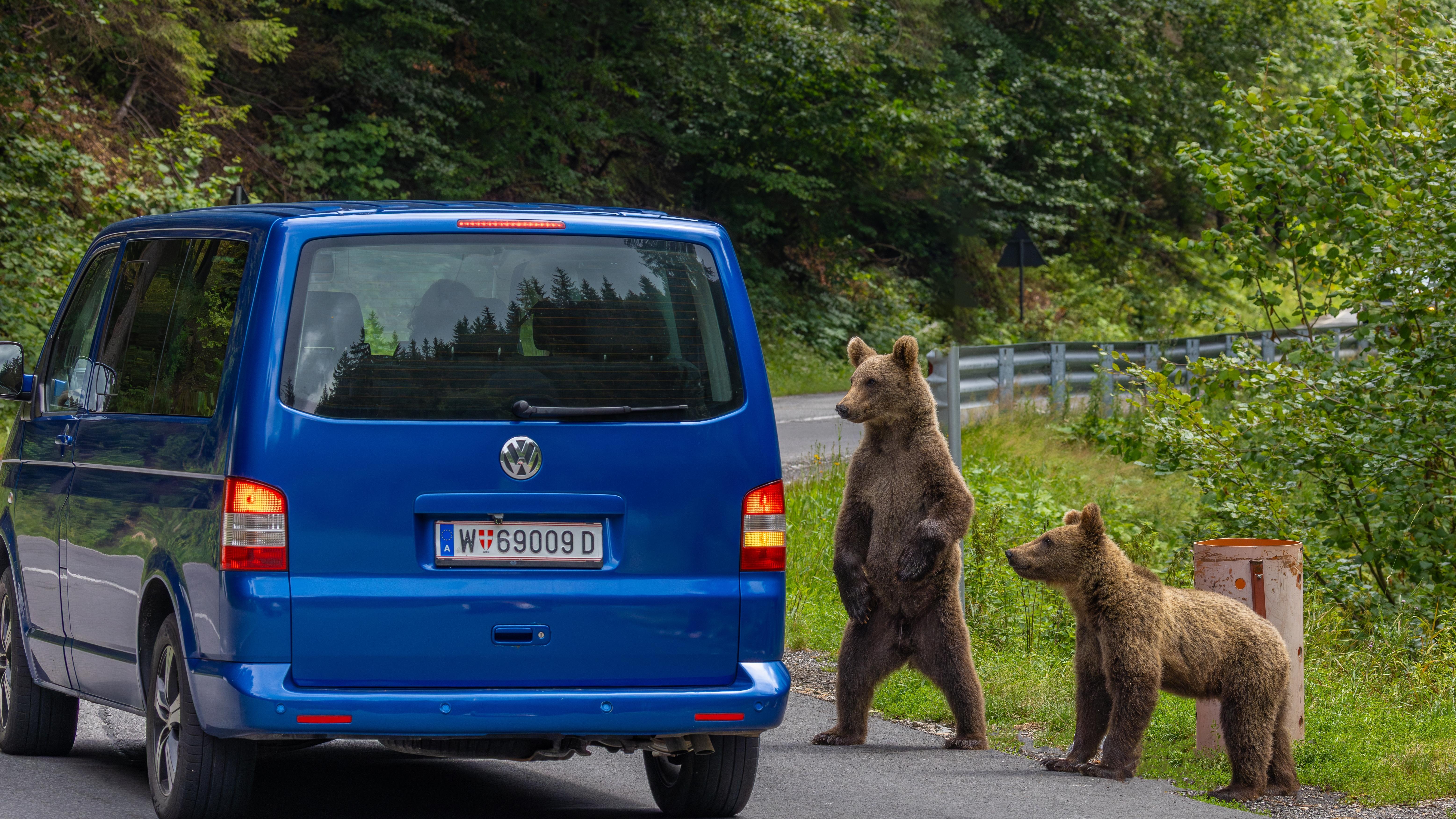
In Romania, what was once a rare wildlife encounter is increasingly becoming a strange and controversial “tourist attraction.” Along winding mountain roads, especially in the Carpathian Mountains, travelers now routinely stop their cars not just for the views, but for bears.
The country offers guided bear tours that can carry you into the mountains to wait in camouflaged hiding spots. Most of them are licensed by the forestry service and the success rate of actually spotting a bear is over 95% in areas like Brașov, Harghita, and Covasna.
If you're not willing to stay quiet for a few hours at dusk to watch momma bear and her cubs wake up and go searching for food, you can opt for a wildlife tracking expeditions, where specialist naturalist guides or researchers will carry you on multi-day tracking trips through the Piatra Craiului National Park or Făgăraș Mountains.
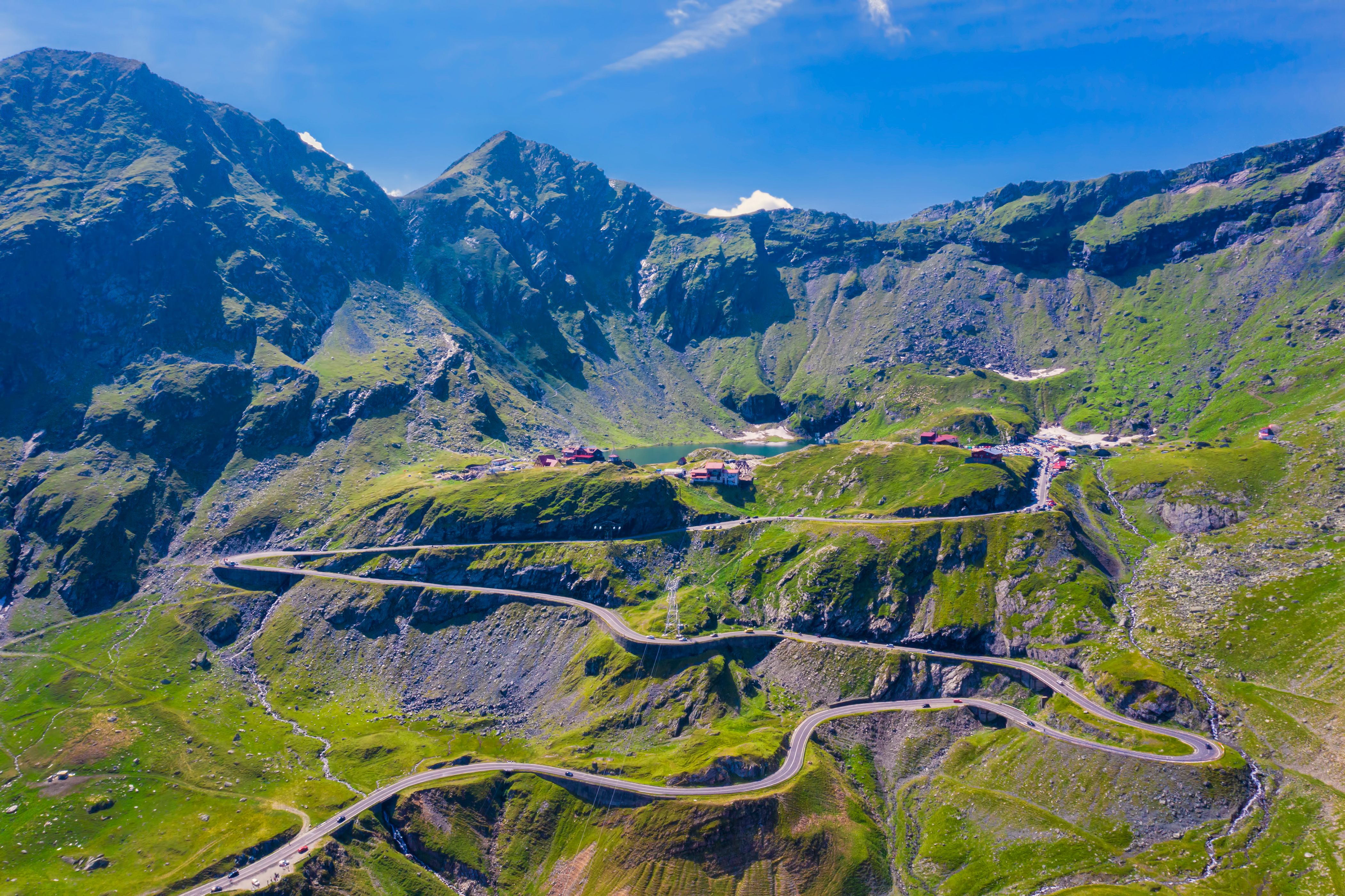 Transfagarasan road, Romania. Photo: Shutterstock
And, of course, there is the free and natural way of spotting bears in Romania, as seen in hundreds of videos shared by tourists from all parts of the world on social media, filmed along the beautiful Transfăgărășan and Transalpina Roads.
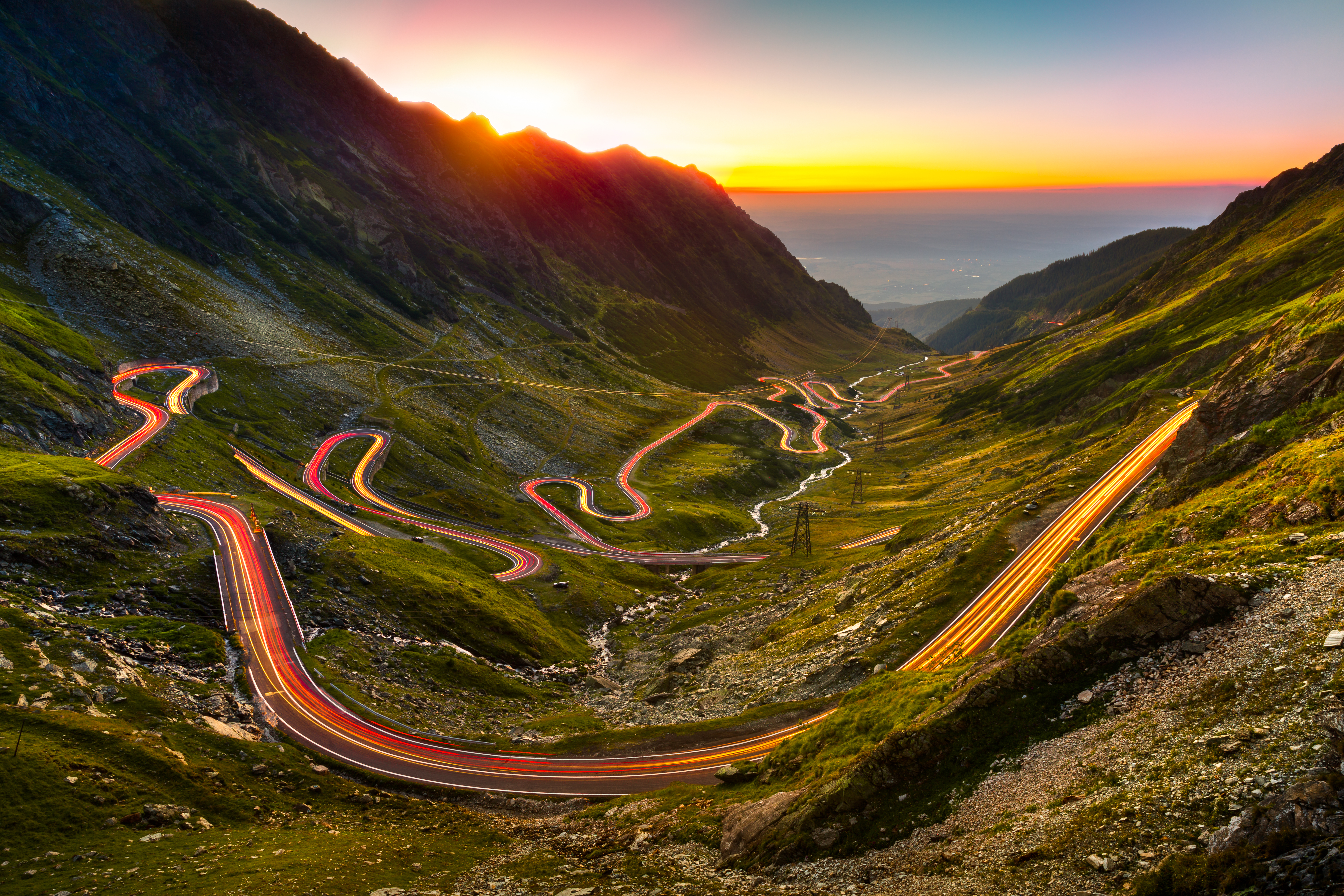 Transfagarasan road at night. Photo: Shutterstock
Endless Instagram and TikTok videos with hundreds of thousands of views show brown bears standing by the roadside, walking between vehicles, or approaching tourists in search of food, filmed and photographed at close range. In most cases, animals have become habituated to humans after repeated feeding from cars or roadside stops.
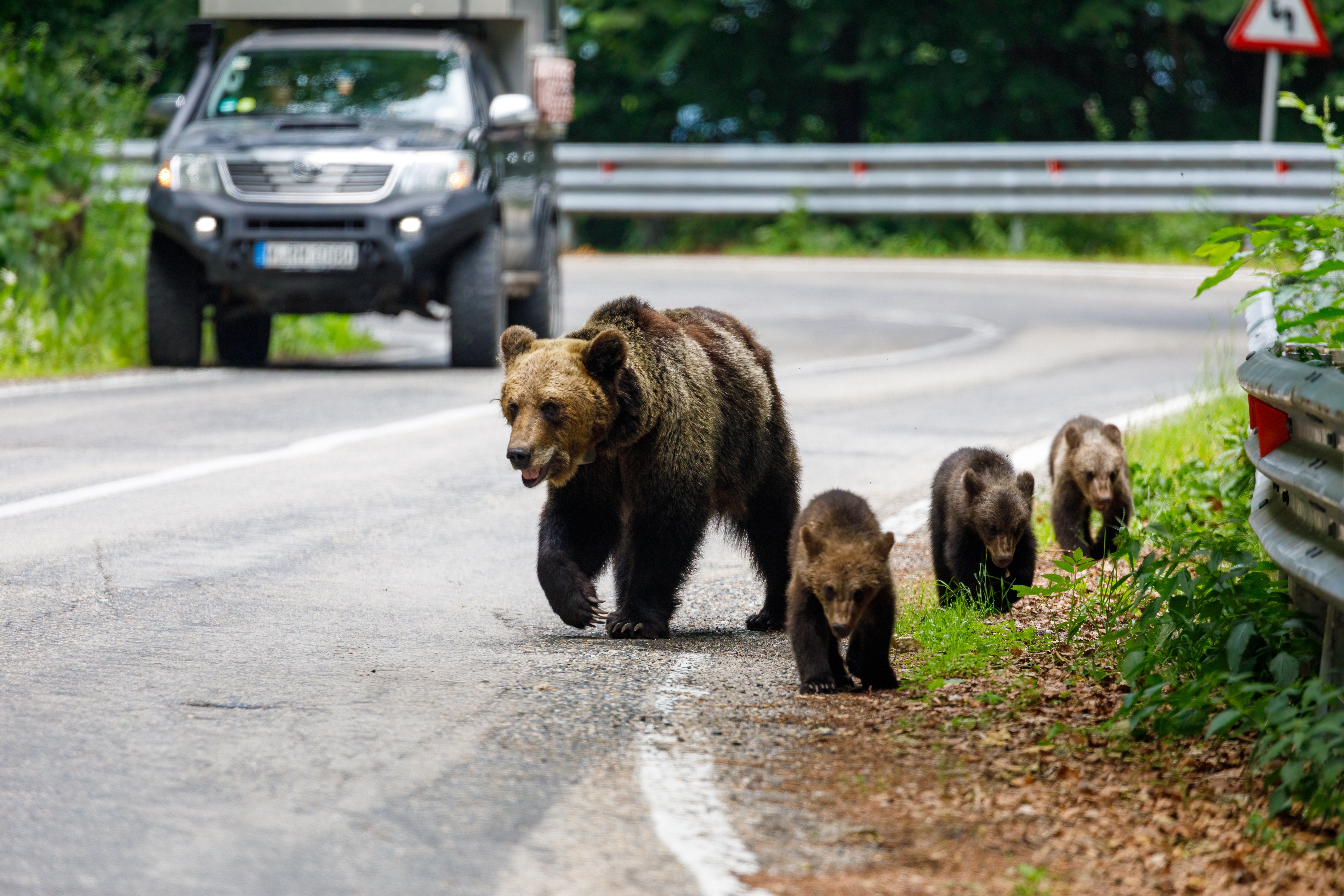 Bears in Romania. Photo: hecke61 / Shutterstock.com
 However, what looks like a cinematic wildlife experience is, in reality, a highly unnatural situation, and tragedies can, and have happened. Last July, an Italian man who was mauled to death by a bear while on a motorcycling trip in Romania took selfies with the animals before the fatal attack.
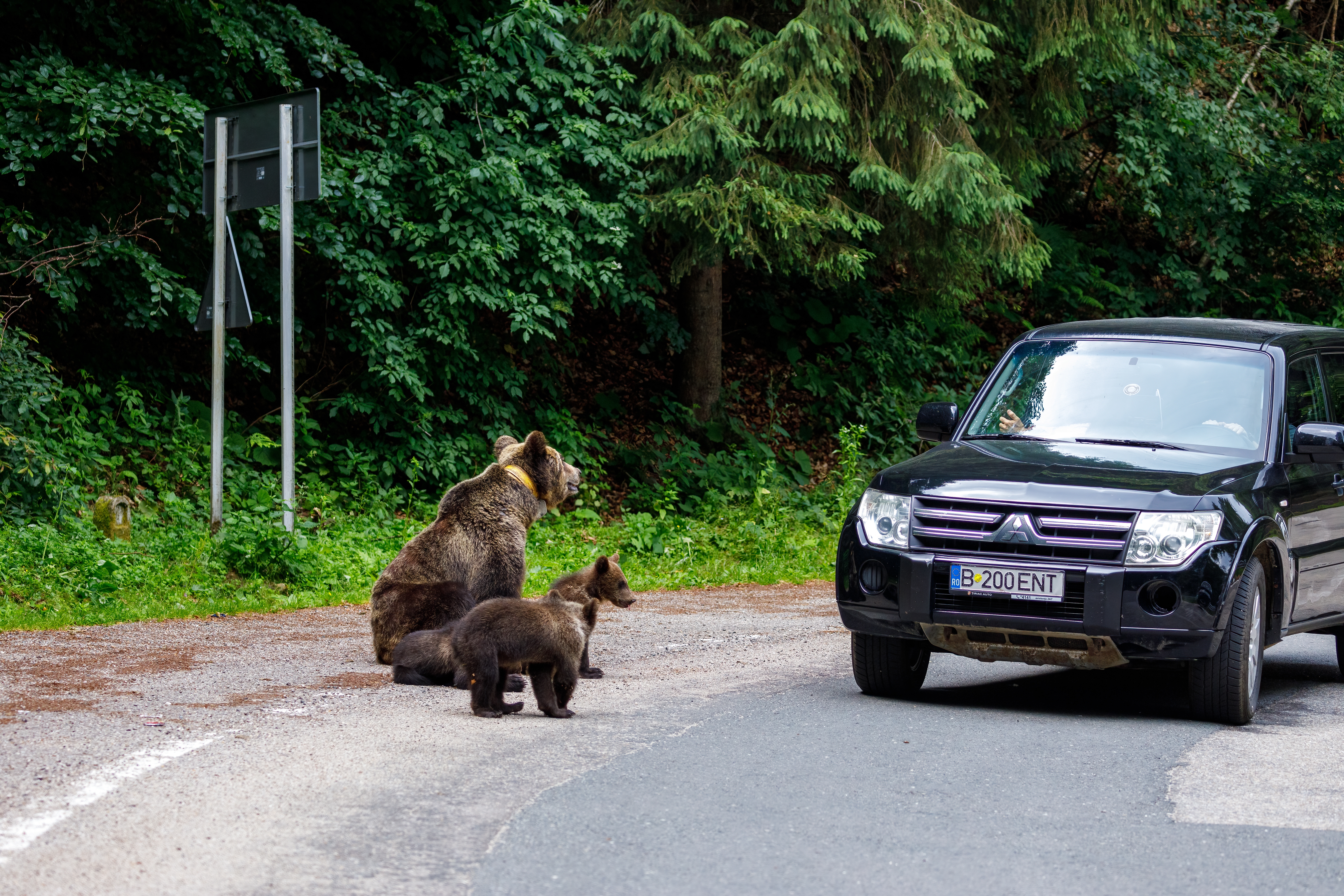 Bears on Transfagarasan.Photo: hecke61 / Shutterstock.com
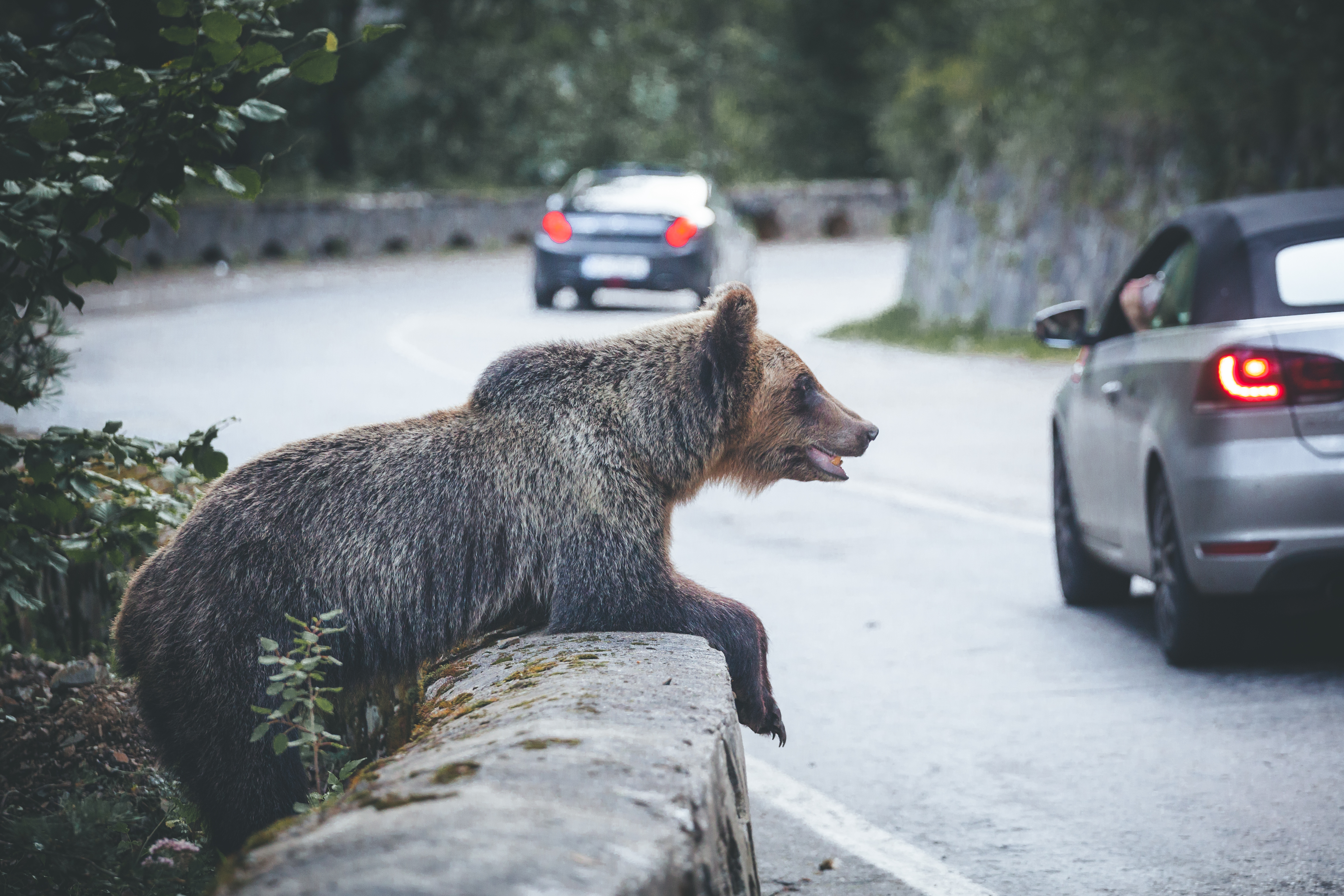 Bears on Transafagarasan. Photo: Shutterstock
Despite the obvious danger given the unpredictability of the wild animal, some tourists have added "bear sightseeing in Romania" to their bucket list.
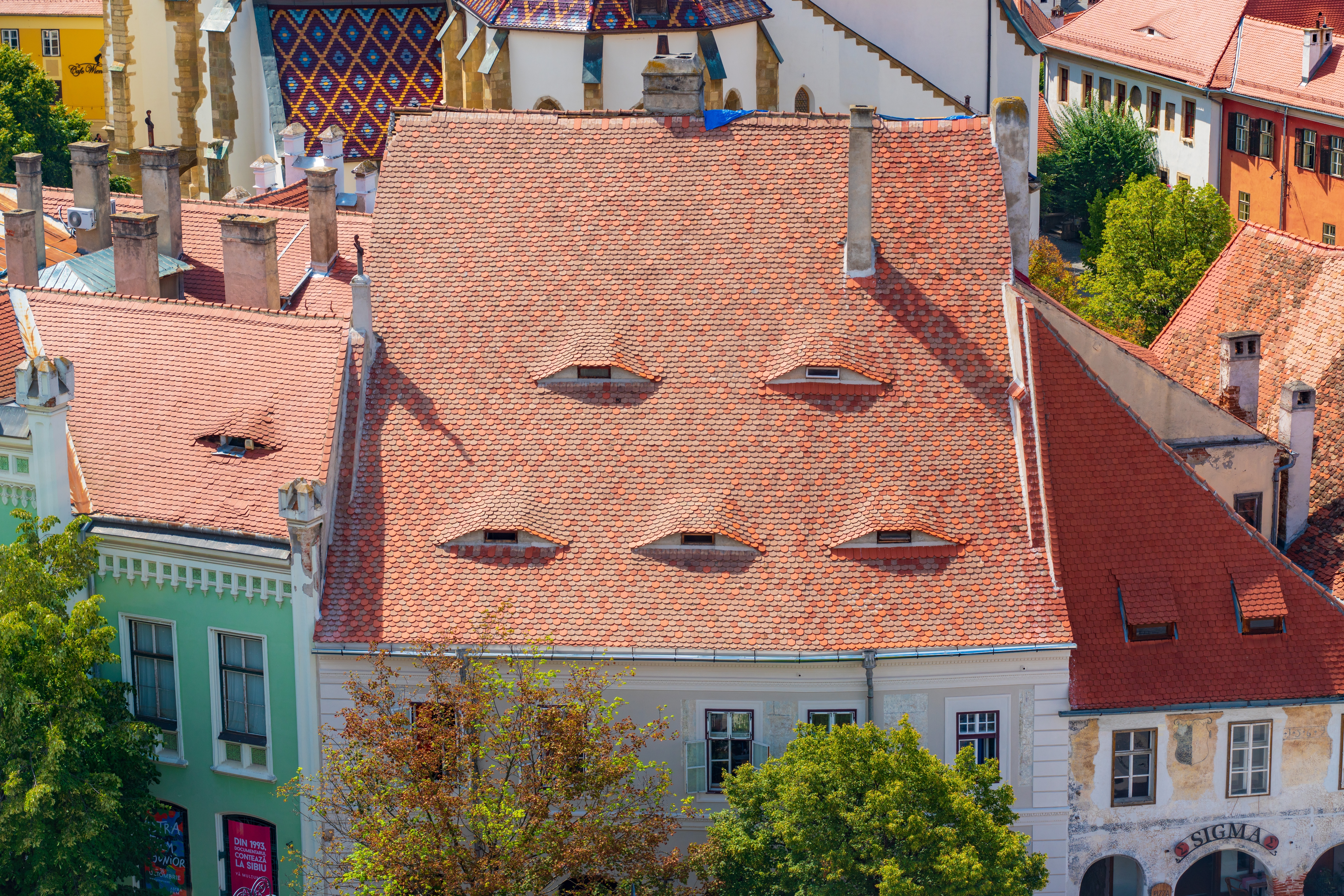 Sibiu, Romania. Photo: Shutterstock
The best itinerary is Cluj-Napoca-Alba Iulia-Sibiu-Sighisoara-Brasov-Bran, if you're landing at Cluj Airport or Bucharest-Brasov-Bran-Sighisoara-Alba Iulia-Turda-Cluj-Napoca, if you'll choose on of Bucharest's airports. The itineraries will allow you to explore exploring the beautiful medieval cities of Brasov (with the iconic Dracula Castle), Sibiu (where the rooftops have eyes), and Sighisoara (Dracula's birthplace, or, to be more historically precise, the city where the dreadful Vlad the Impaler who inspired Bram Stoker's Dracula was born) via Cheia Road.
The BONUS you may or may not want: The changes of also spotting a few bears inside the cities themselves are big, with social media showing bears trying to make their way inside hotels, walking outside malls, or simply crossing the street, so beware!
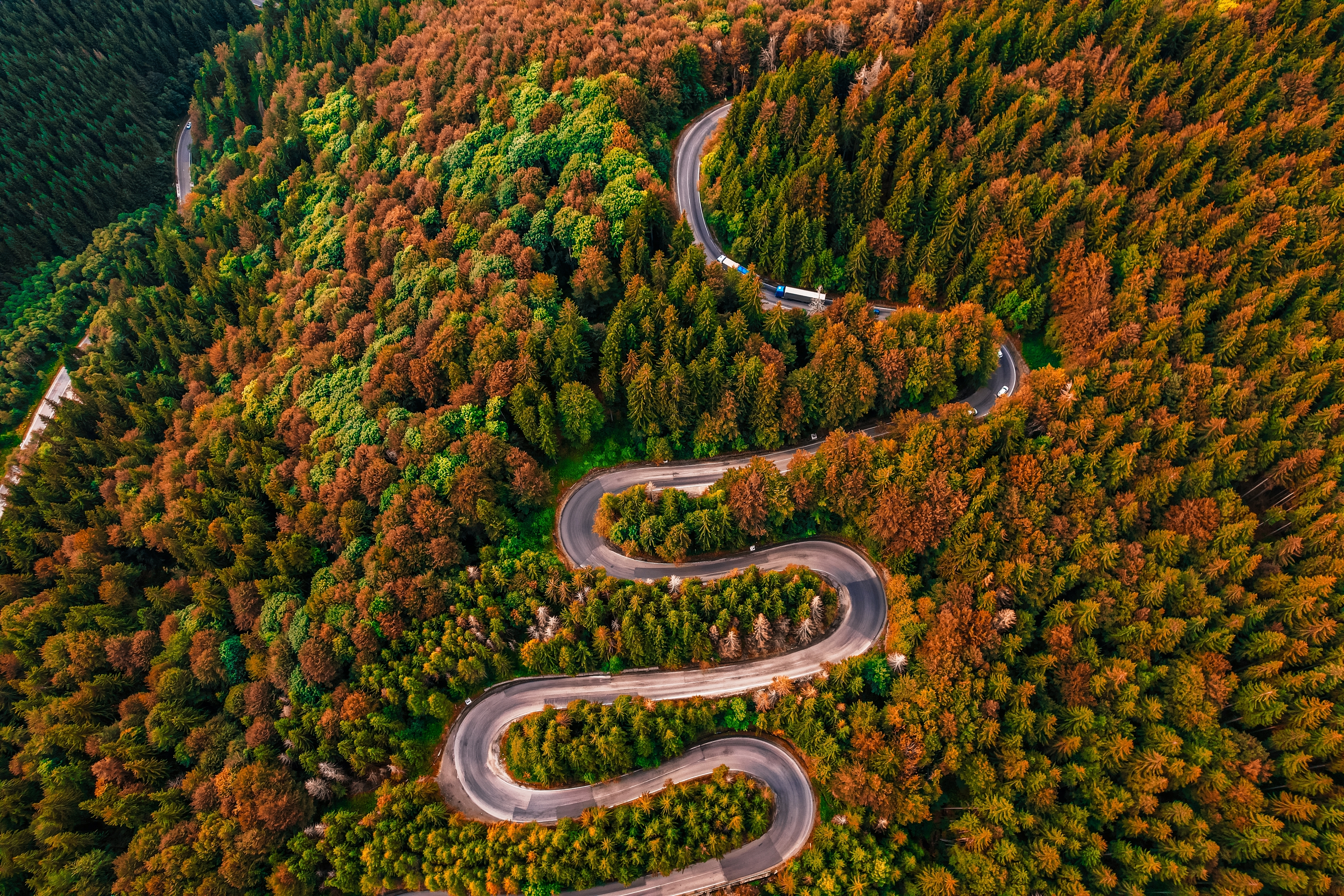 Cheia Road, Brasov, Romania. Photo: Shutterstock
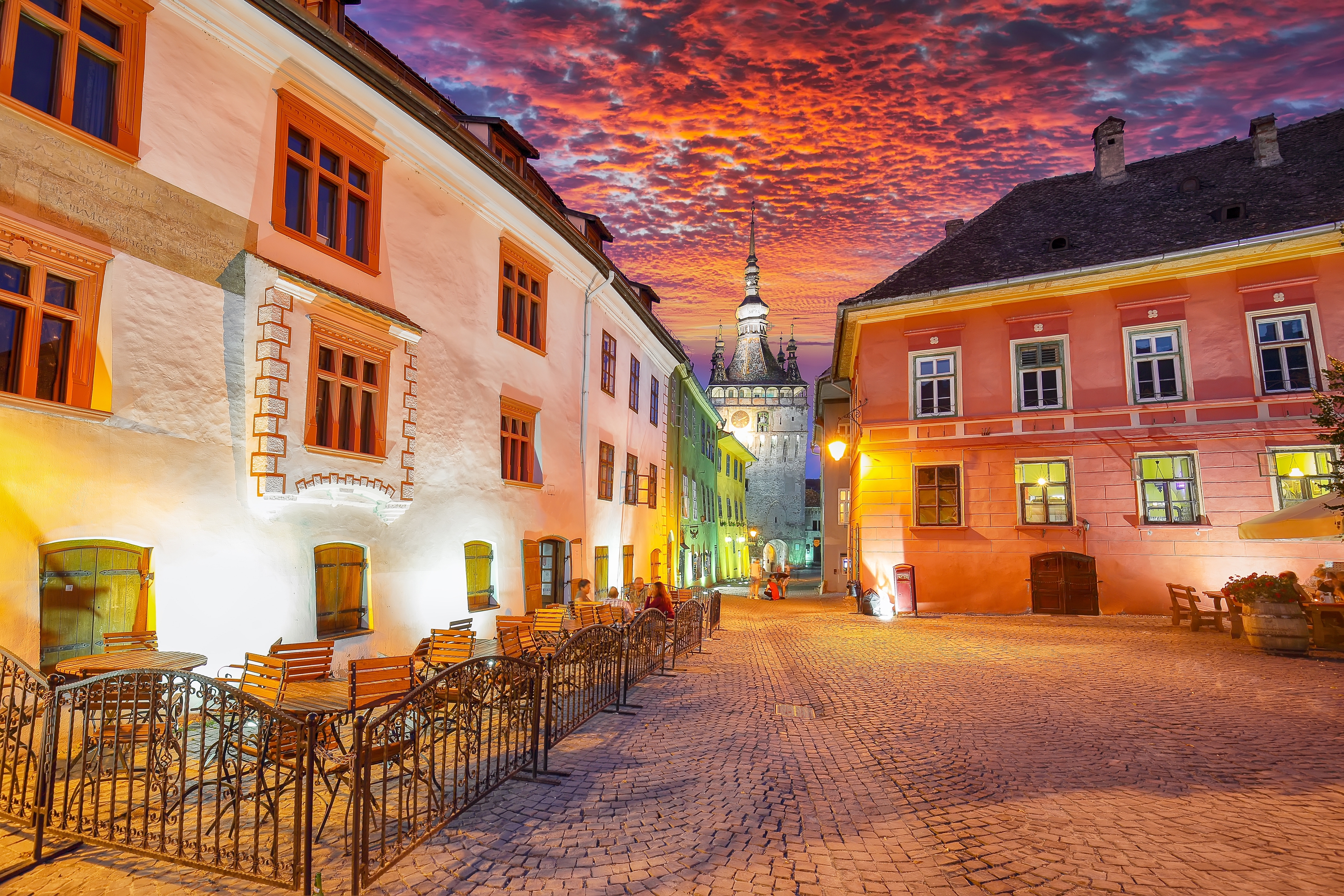 Sighisoara, Romania. Photo: Shutterstock
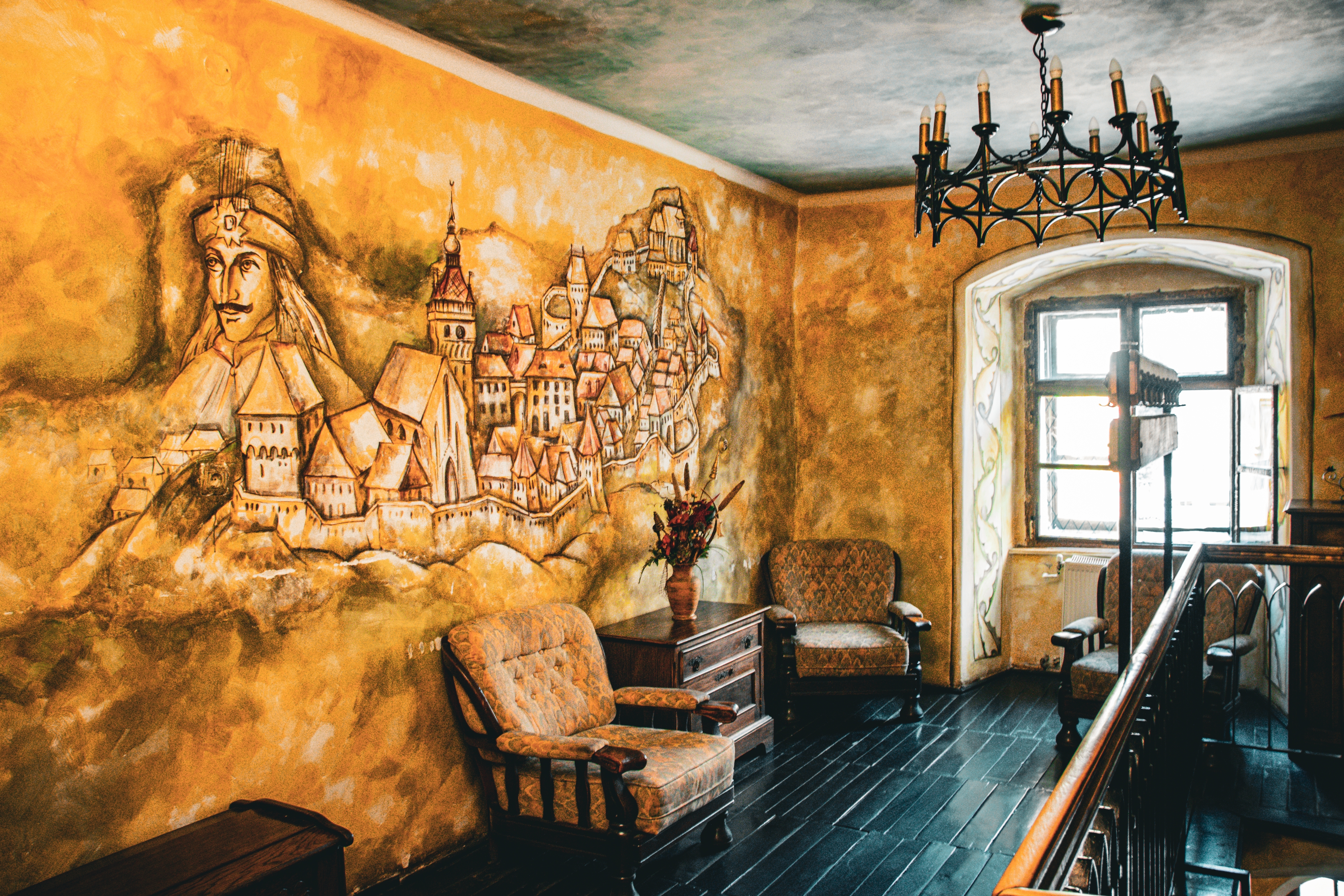 Vlad Tepes memorial house, Sighisoara. Photo: Morgana Ruppenthal / Shutterstock.com
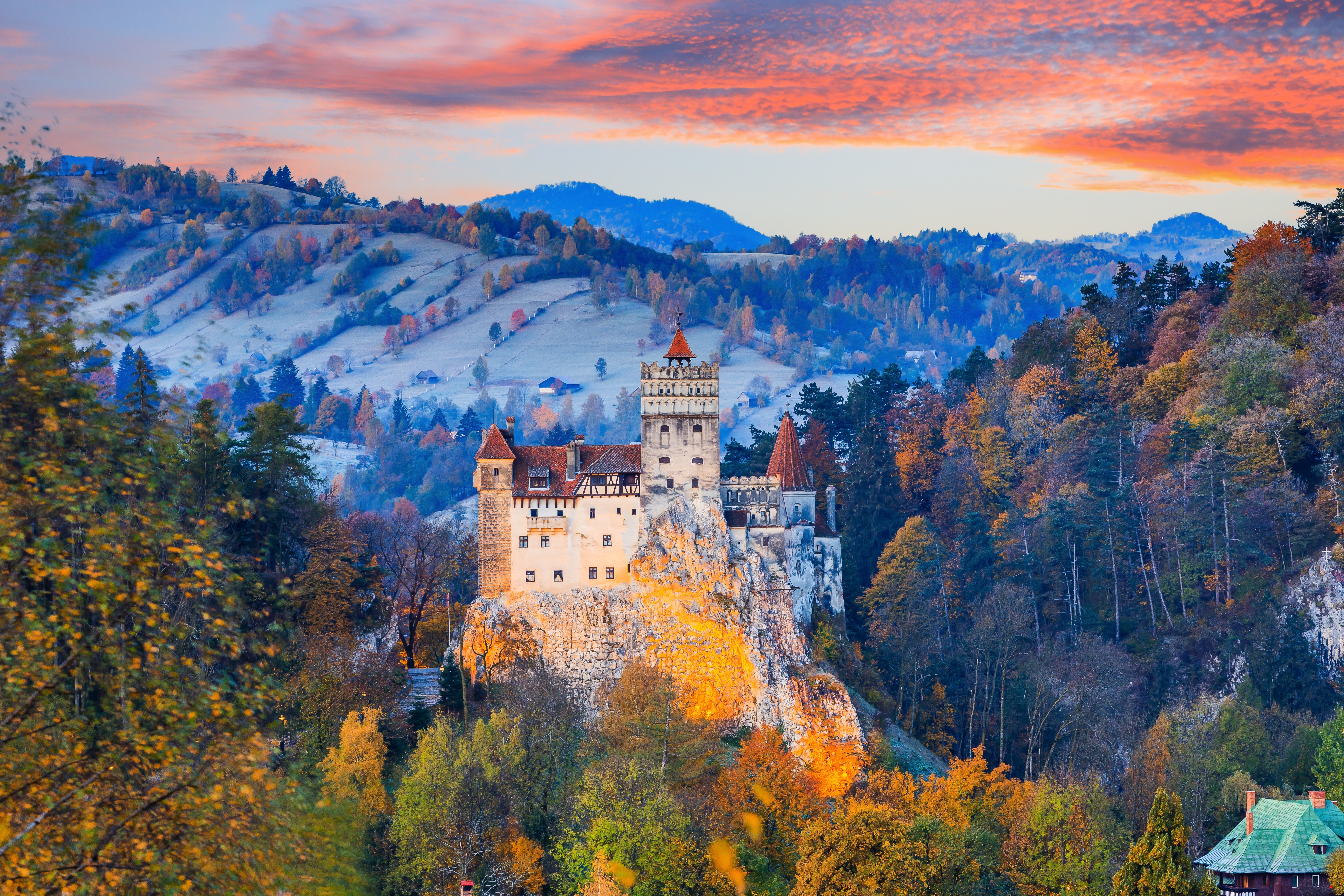 Dracula's Castle in Bran, Brasov. Photo: Shutterstock
Personally, I have also had my share of bear encounters, and I still remember one vividly to this day, on the breathtaking Transalpina road, when a young bear was begging for food from curious drivers who were stopping at the viewpoint there started taking selfies with him.
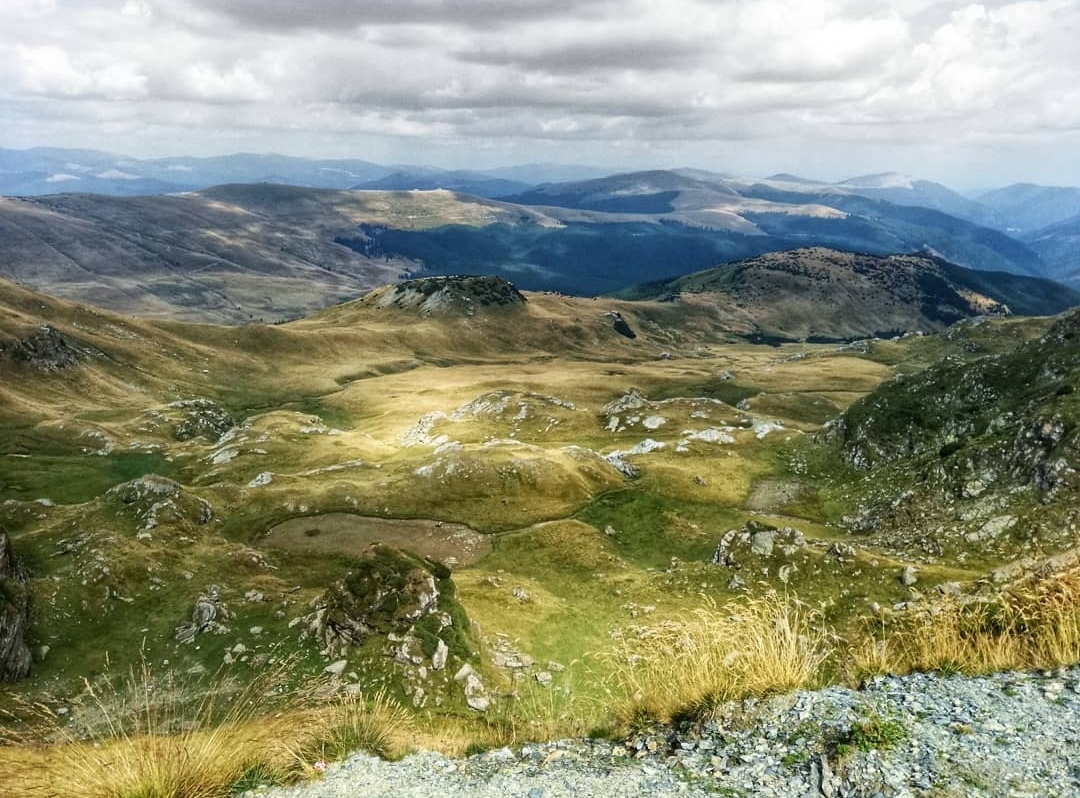 View from Translapina Road, Romania. Photo: Alex Igna (personal archive)
We stopped the car too, but chose to take the photo from a safe distance, from inside the car. Those who were more adventurous approached the bear and threw bread and crackers straight to his mouth, something that is not recommended nor allowed, for obvious safety reasons.
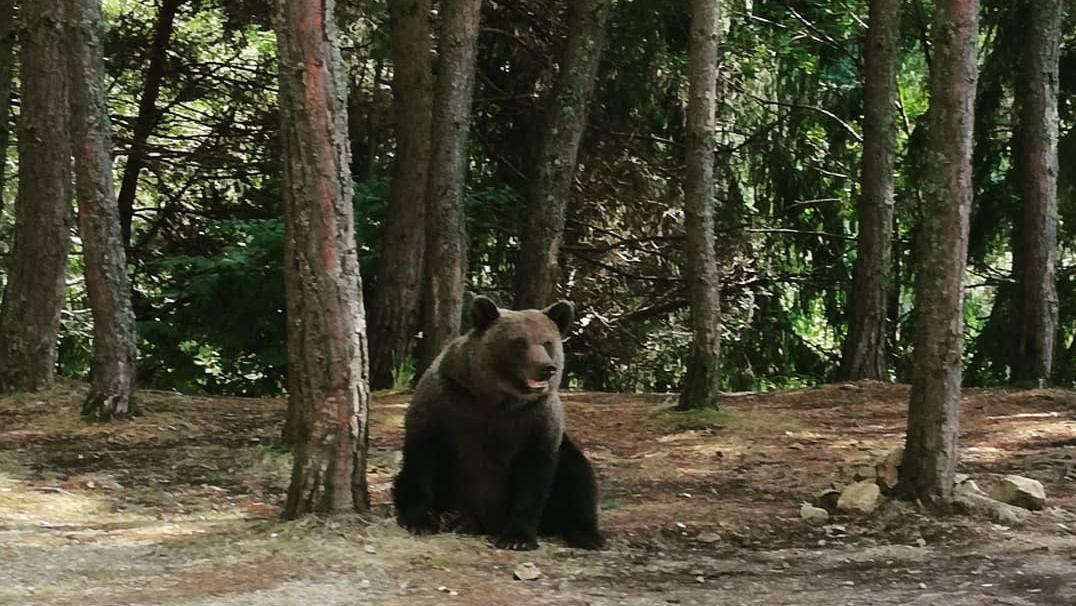 Bear on Transfagarasan, Romania. Photo: Alex Igna
Romania's Surprising Bear Festivals
And if all this wasn't enough, Romania is also home to several unique bear-themed festivals, especially in the historic regions of Moldavia and Transylvania. The most famous is the “Dancing Bears Festival” in Comănești, where hundreds of performers dressed in real bear skins parade through the streets every December to drive away evil spirits and welcome the New Year.
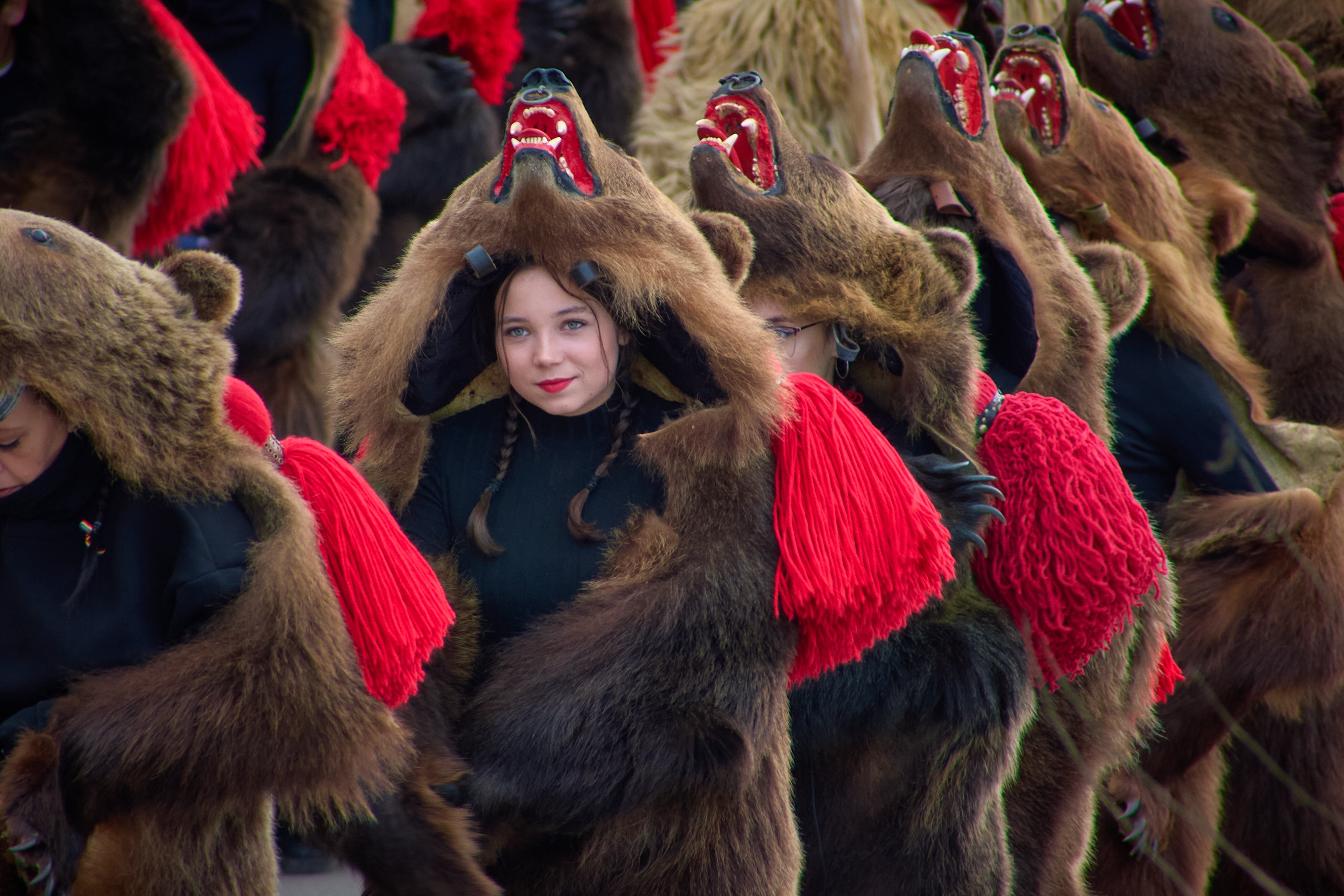 Dancing Bears Festival, Romania. Photo: Burcea Marius / Shutterstock.com
The centuries-old tradition attracts thousands of visitors from around the world and is considered one of Romania’s most spectacular winter customs
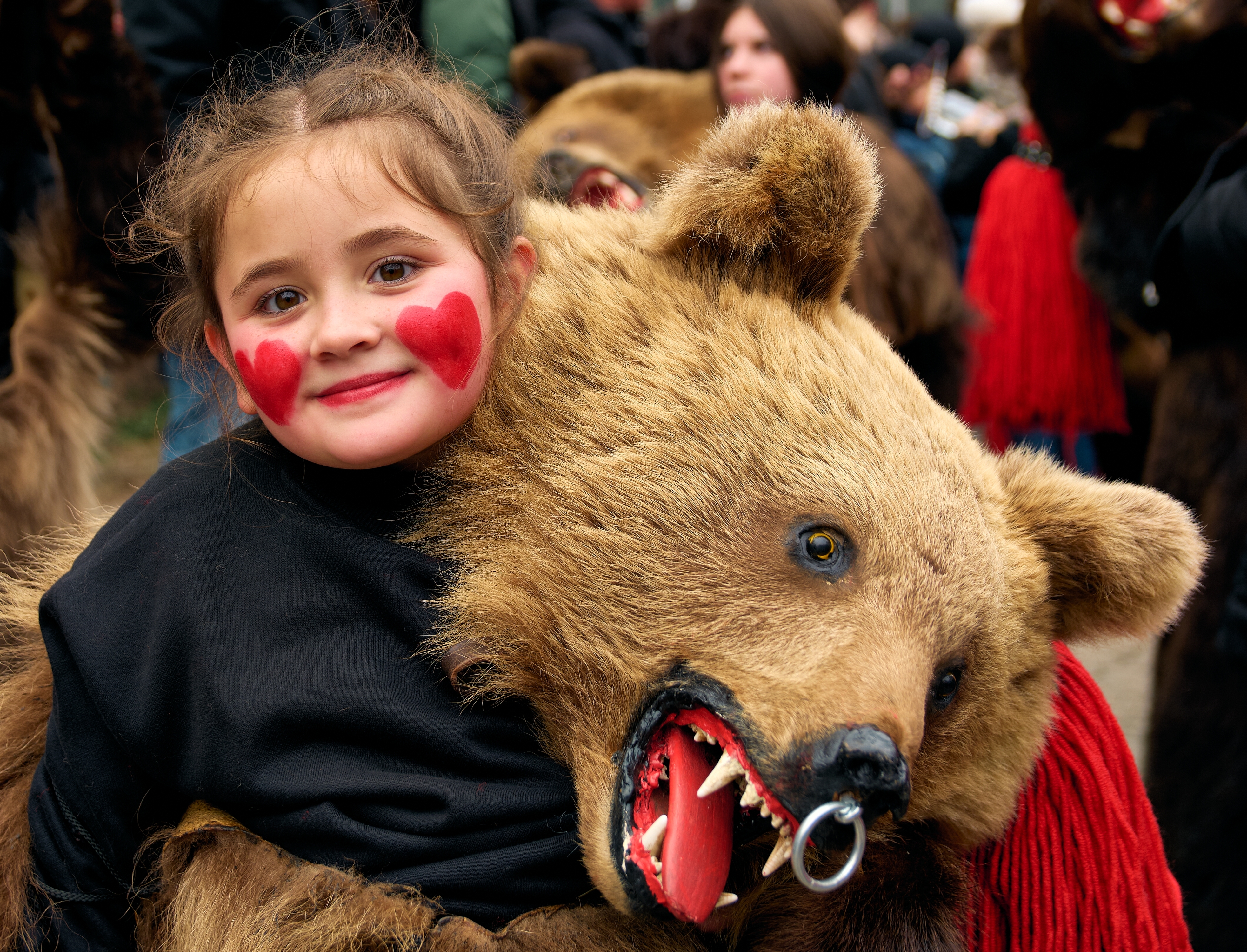 Bear traditions in Romania. Photo: Burcea Marius / Shutterstock.com
So Why Are There So Many Bear Encounters in Romania?
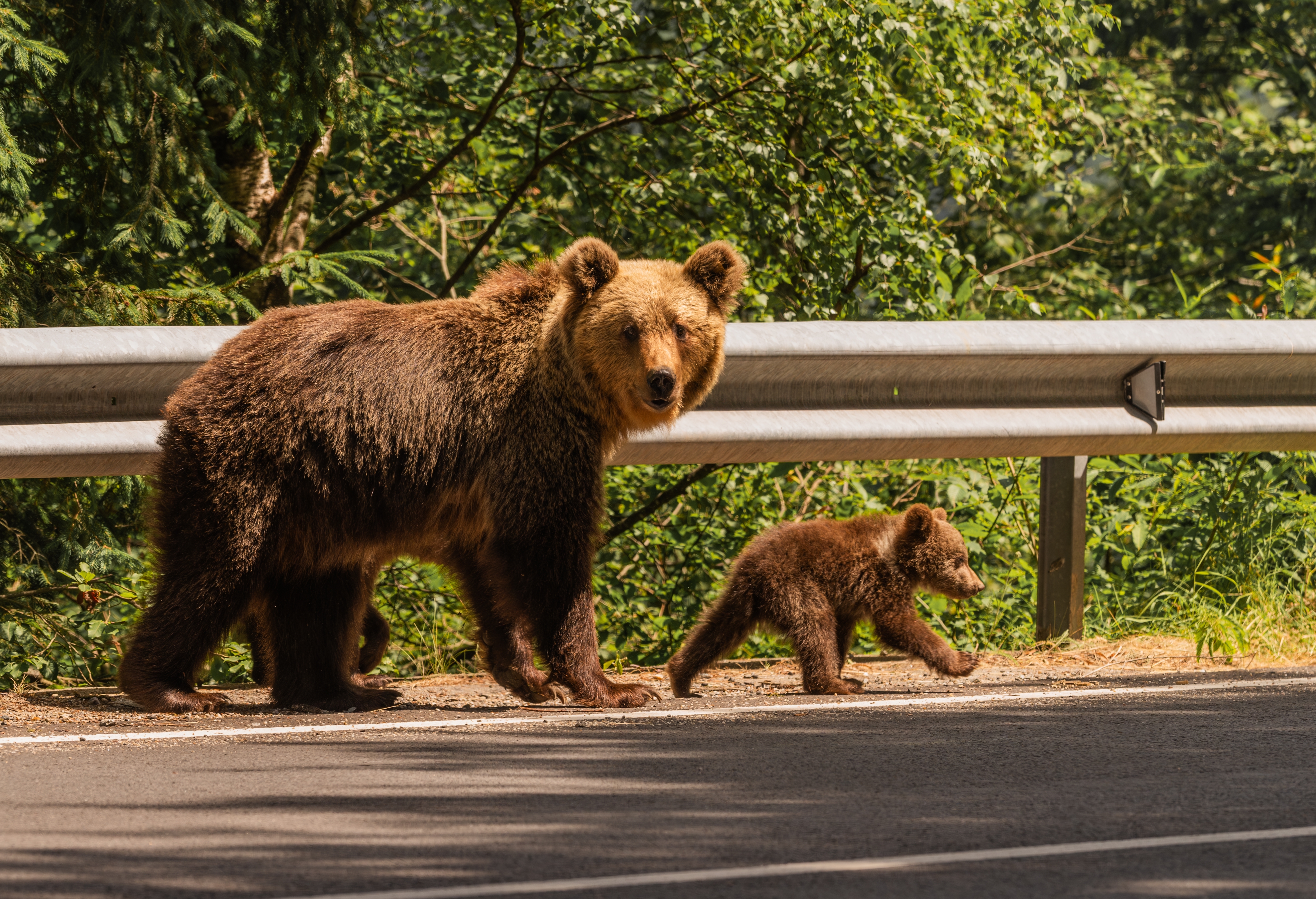 Photo: Shutterstock
Romania hosts the largest population of brown bears in Europe, with an estimated over 13,000 animals according to national forestry research bodies. The number is far above what some experts consider ecologically sustainable, which would explain why bears are increasingly forced into overlapping spaces with humans, villages, resorts, and even busy roads.
This overlap is mostly visible in Transylvania’s tourist corridors, where garbage bins, roadside food, and intentional feeding create easy rewards for animals that would normally avoid people.
The popularity of “bear spotting” has created a loop, with tourists stopping for bears, bears associating cars with food, and the encounters becoming more frequent.
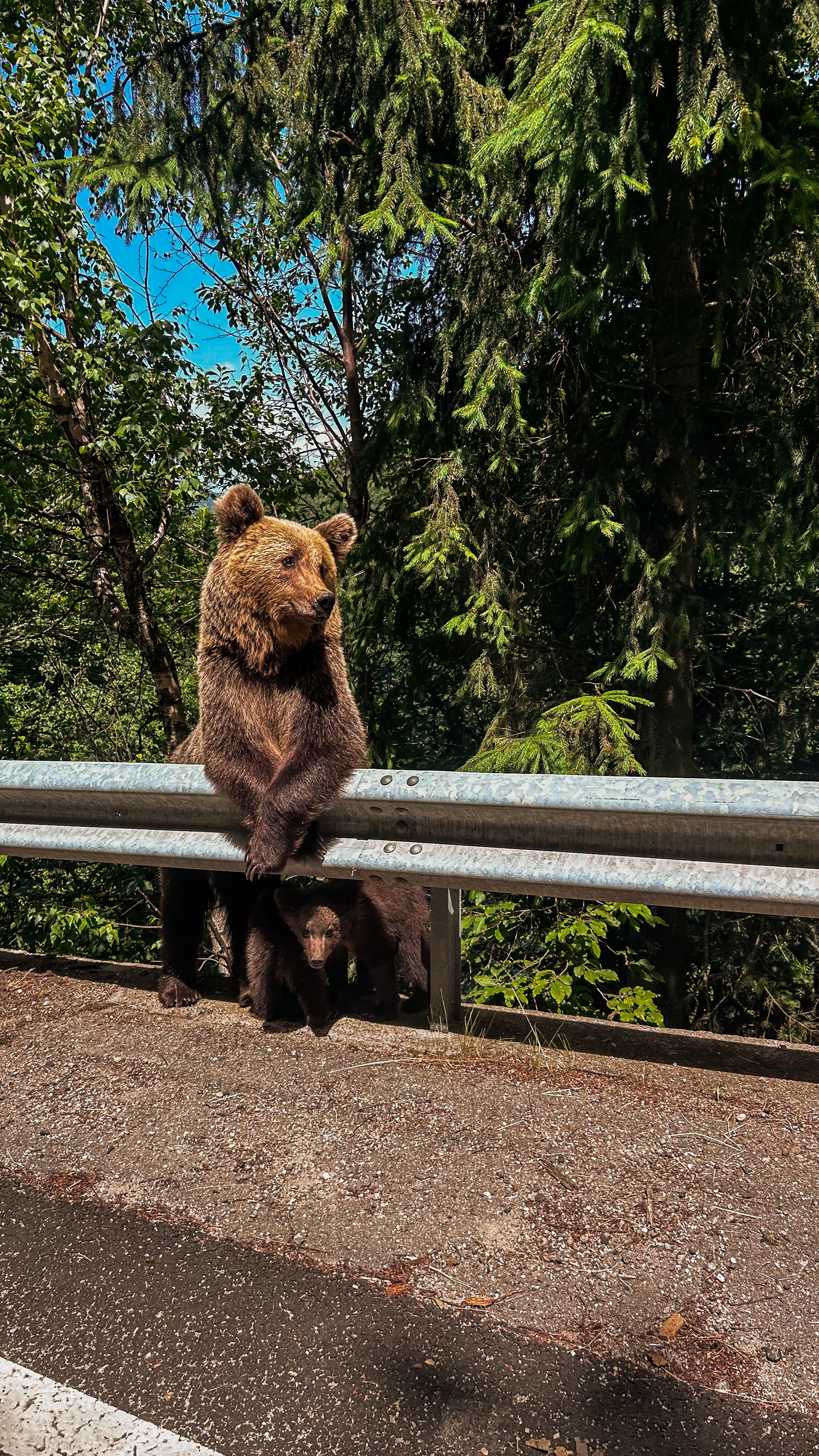 Bears in Romania. Photo: Shutterstock
Local authorities in mountain regions such as Predeal and Poiana Brașov have repeatedly warned that feeding or approaching bears is illegal and extremely dangerous, but enforcement is difficult during peak tourist seasons when roadside stops are crowded.
Wildlife specialists say the problem is no longer just ecological, it is behavioral. Bears that lose their fear of humans are more likely to enter settlements, leading to property damage, panic, and occasional attacks.
Authorities Struggle to Respond
Romanian authorities have debated a range of solutions, from relocating problem bears to more direct population control measures. The Ministry of Environment has argued that rapid intervention is needed in high-risk zones, especially near tourist routes and towns.
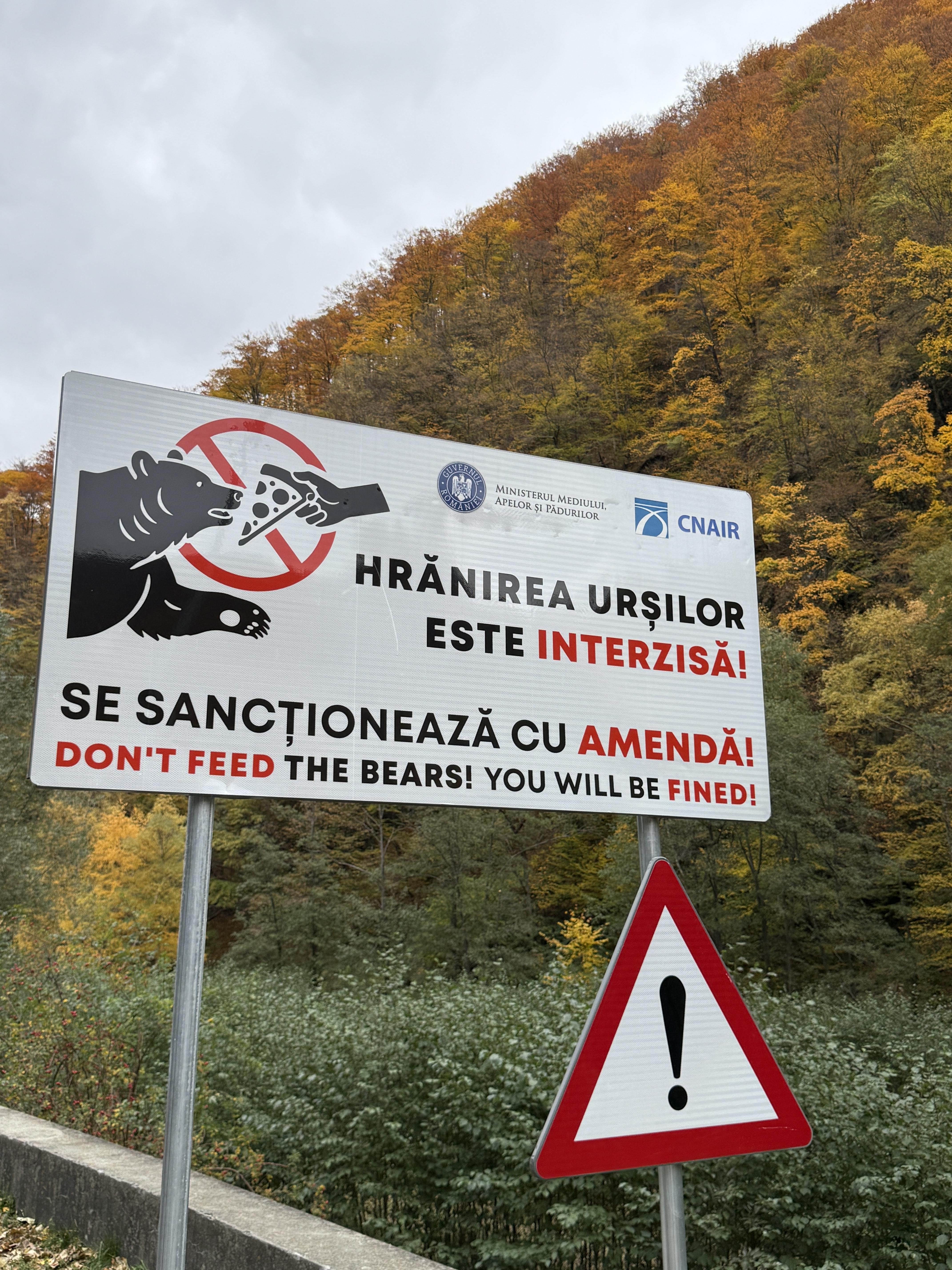 Don't feed the bears sign in Romania. Photo: Erika Cristina Manno / Shutterstock.com
At the same time, conservation organizations such as WWF Romania advocate prevention-based strategies. In places like Băile Tușnad, efforts such as improved waste management, electric fencing, and GPS monitoring of problem animals have shown more stable results.
Are You Tempted to Try It?
Is bear sightseeing in Romania a new travel trend worth jumping on? In a sense, yes, but it is a fragile and risky one. We highly recommend only opting for guided tours with specialists by your side if you want to enjoy the majestic creatures in their natural habitat.