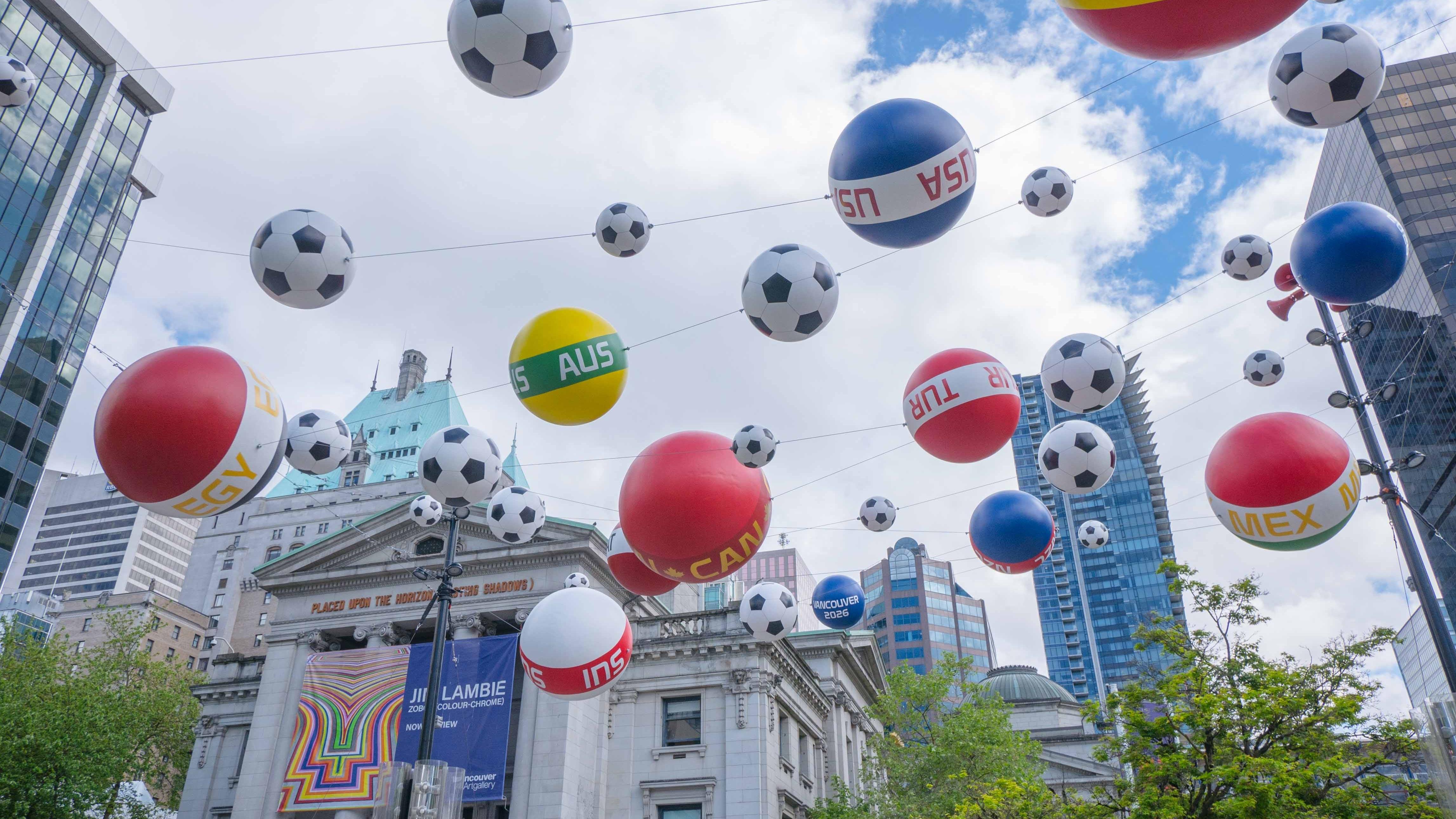
The 2026 FIFA World Cup will be the biggest in history, with 48 teams, 104 matches, and 16 host cities across the United States, Canada, and Mexico. But you don’t need a stadium ticket to be part of it.
From June 11 to July 19, North America will turn into one massive football festival. And for fans everywhere, the experience will stretch far beyond stadium seats, blending sport with travel, culture, and global celebrations.
Go Where the Action Is
Across the U.S., Canada, and Mexico, host cities are building huge fan zones with giant screens, live music, and food festivals. Cities like Los Angeles, New York, Miami, Seattle, Mexico City, Toronto, and Vancouver will become open-air football arenas where anyone can join the atmosphere for free.
Canada Takes Football Into Nature
Canada is turning the World Cup into a scenic experience with its “Natural Watch Parties.”
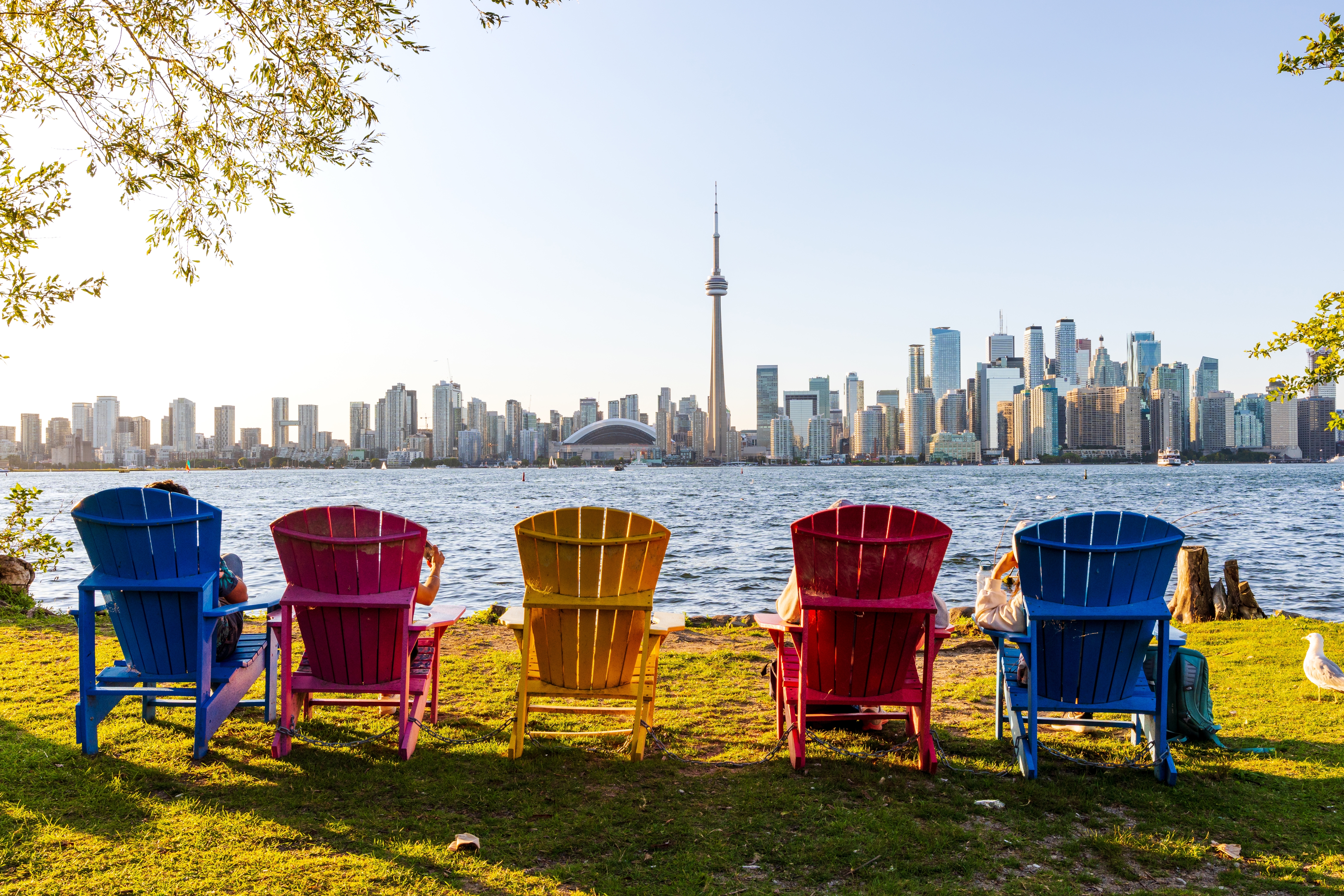 Photo: Shutterstock
Fans will watch matches on islands, mountains, and lakesides, including Toronto Islands and Grouse Mountain in Vancouver. More than 39 communities will host free outdoor screenings.
Miami, LA, Seattle & NYC Turn Into Fan Cities
Miami’s Bayfront Park will host a massive FIFA Fan Festival alongside beach, music, and nightlife experiences.
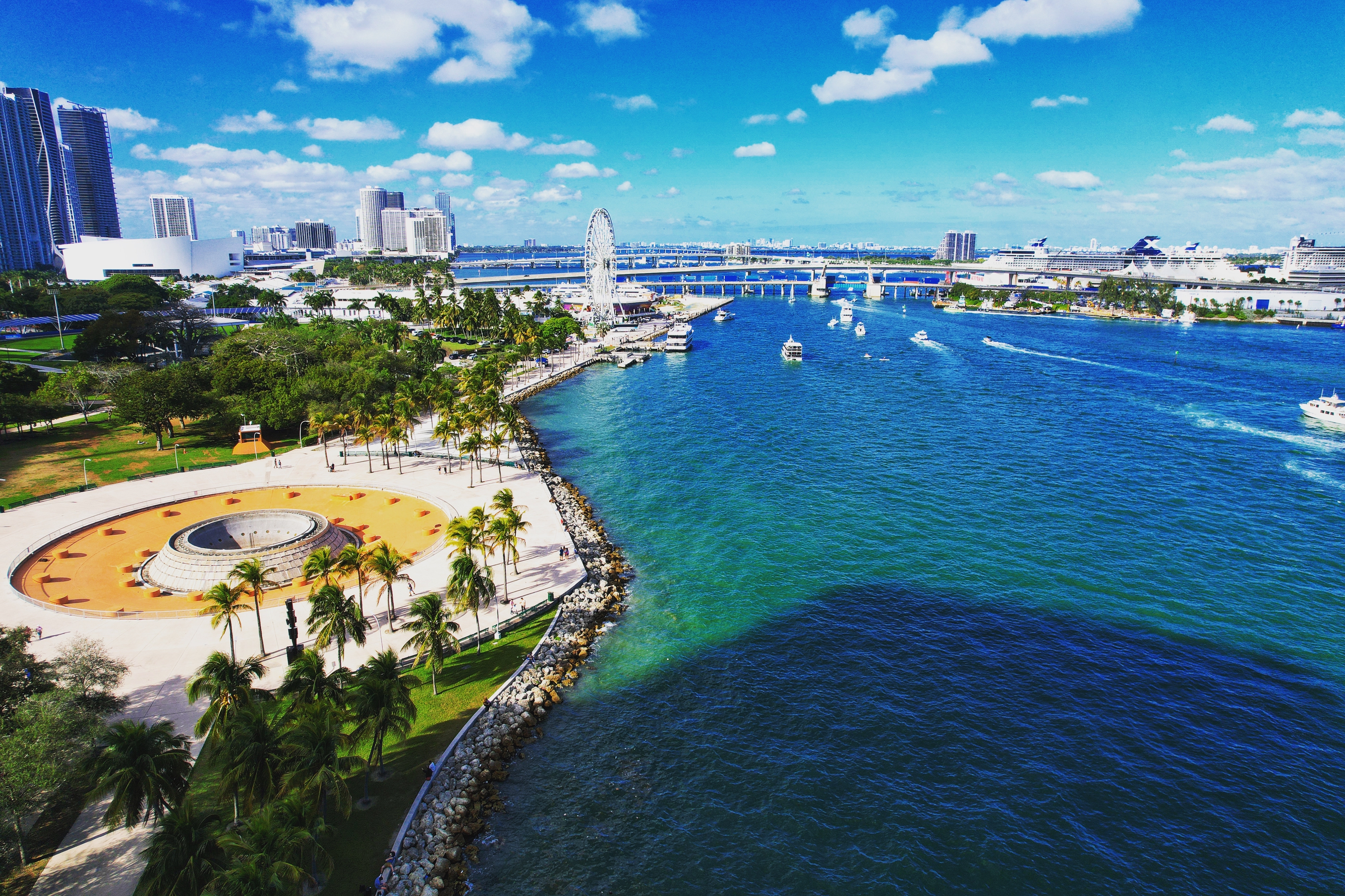 Bayfront Park, Miami. Photo: Victor De Leon / Shutterstock.com
Los Angeles will run 10 fan zones, including Venice Beach and Union Station, plus a main festival at the Coliseum.
Seattle will launch a “Unity Loop” of fan zones and even a floating pitch overlooking Elliott Bay.
 Oleg Anisimov / Shutterstock.com
New York City will spread free watch parties across all five boroughs, turning the entire city into a live viewing network.
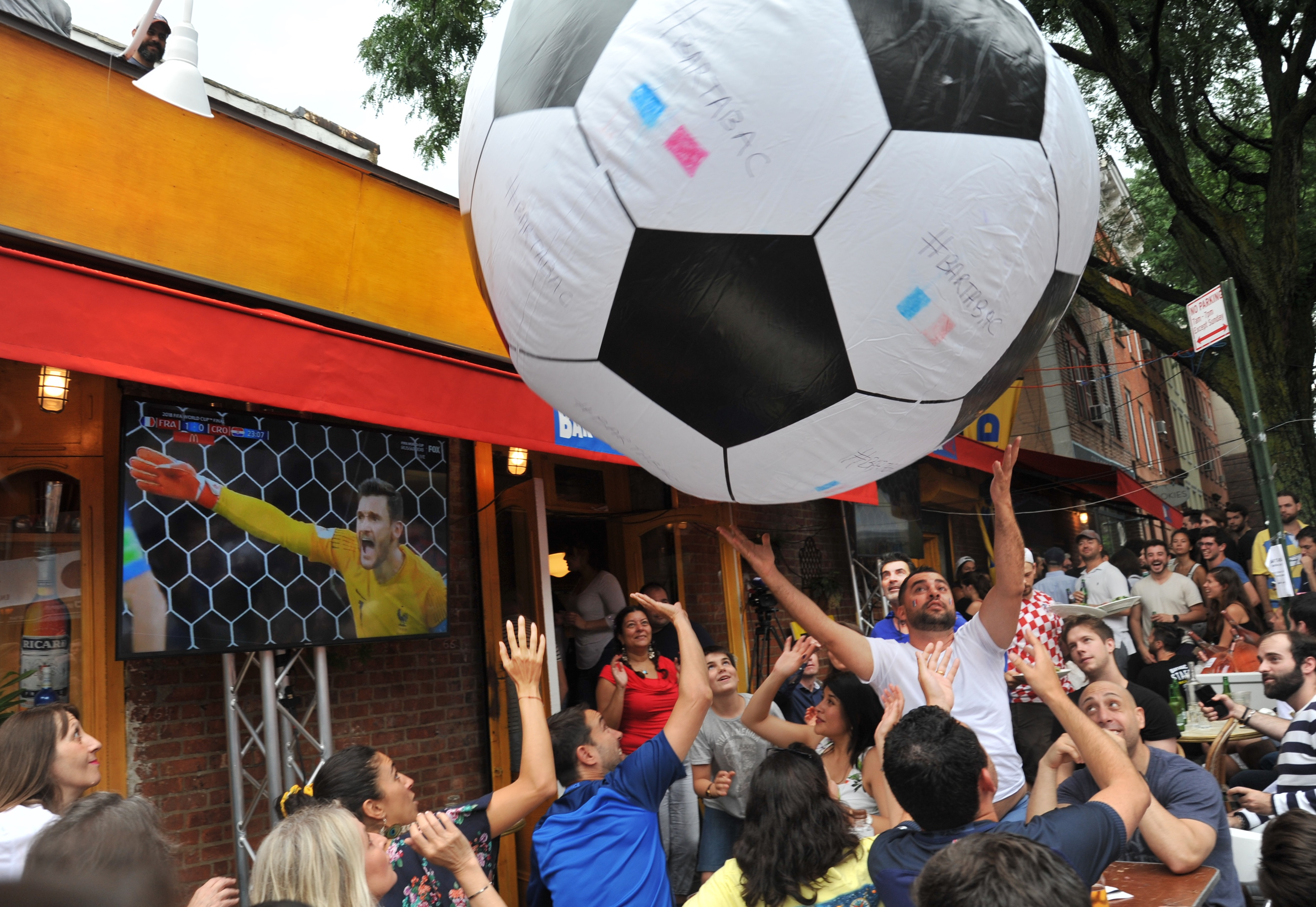 Photo: Joe Tabacca / Shutterstock.com
Mexico City Goes Big in the Zócalo
Mexico City will host the opening match and stage one of the world’s largest fan festivals in the historic Zócalo square, broadcasting all 104 matches. The city will also run 18 additional fan zones across its districts.
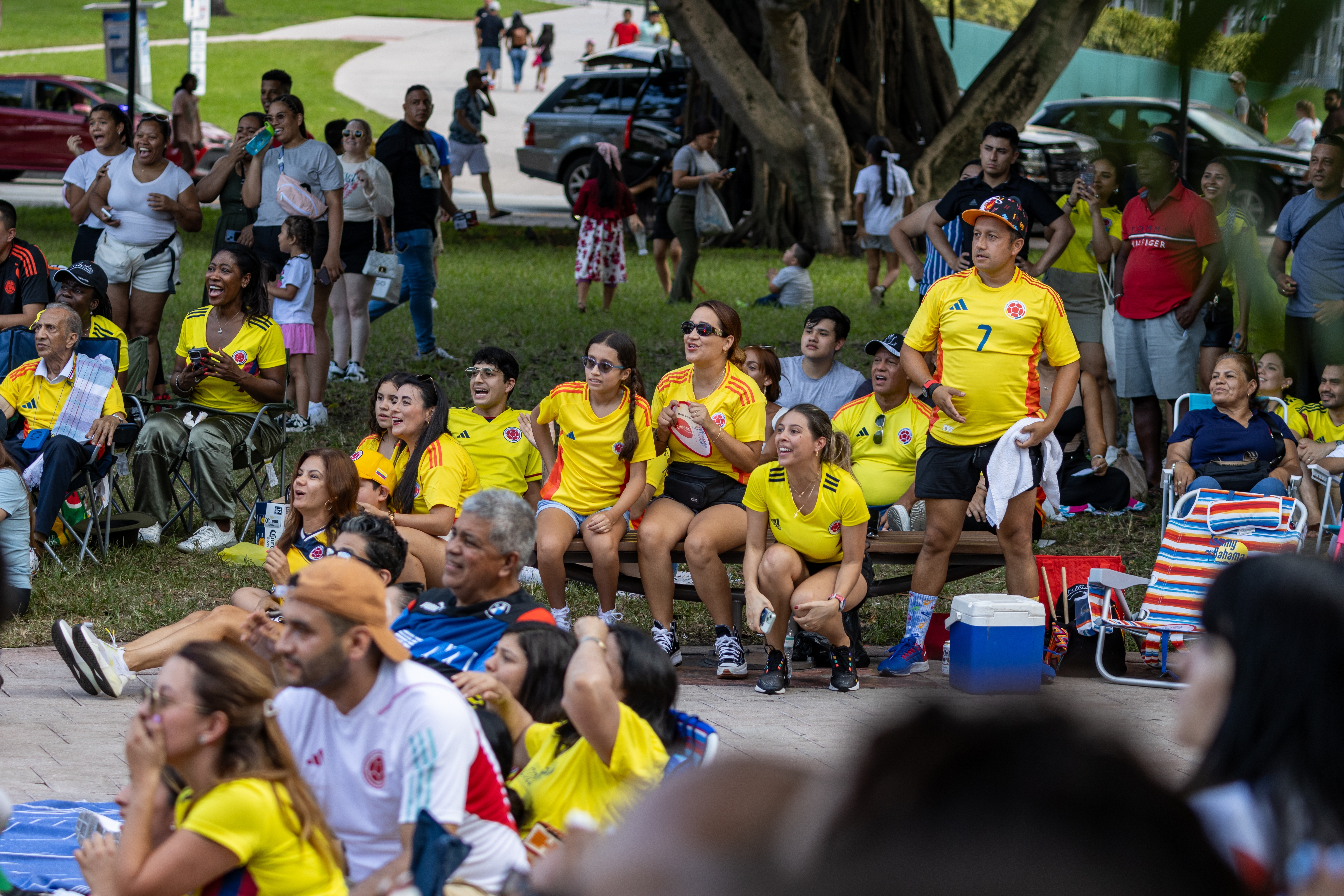 Photo: elYuni23 / Shutterstock.com
Europe Joins the Party
Even without hosting matches, Europe will go all-in. London’s Trafalgar Square, Berlin’s Brandenburg Gate Fan Mile, Paris parks, Madrid plazas, Rome’s historic squares, and Amsterdam canals will all become giant outdoor viewing spots.
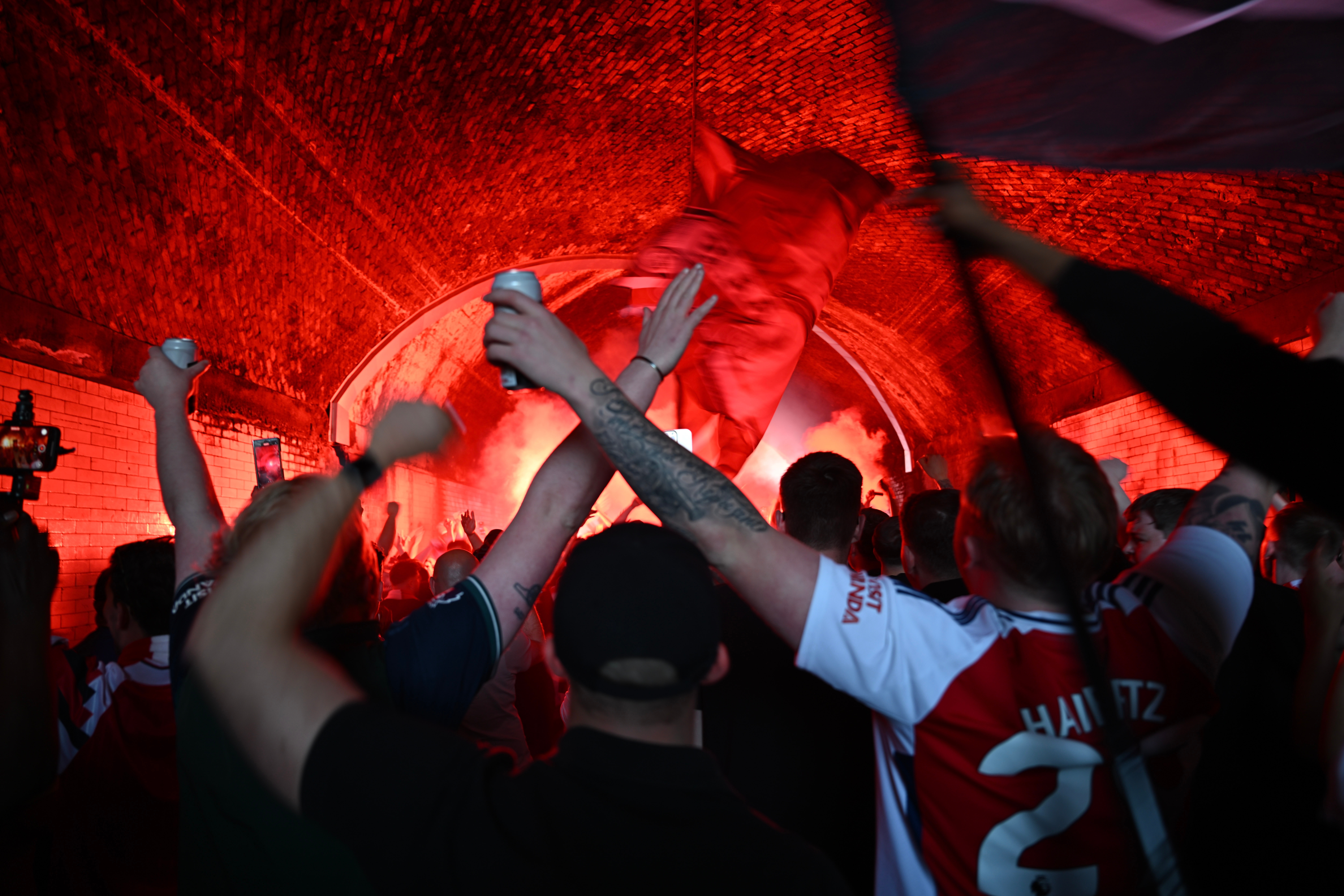 Photo: Monkey Butler Images / Shutterstock.com
City-Wide Festivals in Asia
Across Asia, the World Cup is usually turned into a city-wide festival.
In football-loving hubs like Tokyo, Seoul, Bangkok, Jakarta, and Manila, local governments and sponsors set up official fan parks in public squares, stadium forecourts, and city centers. These are free to enter and feature giant screens, food stalls, music, and entertainment.
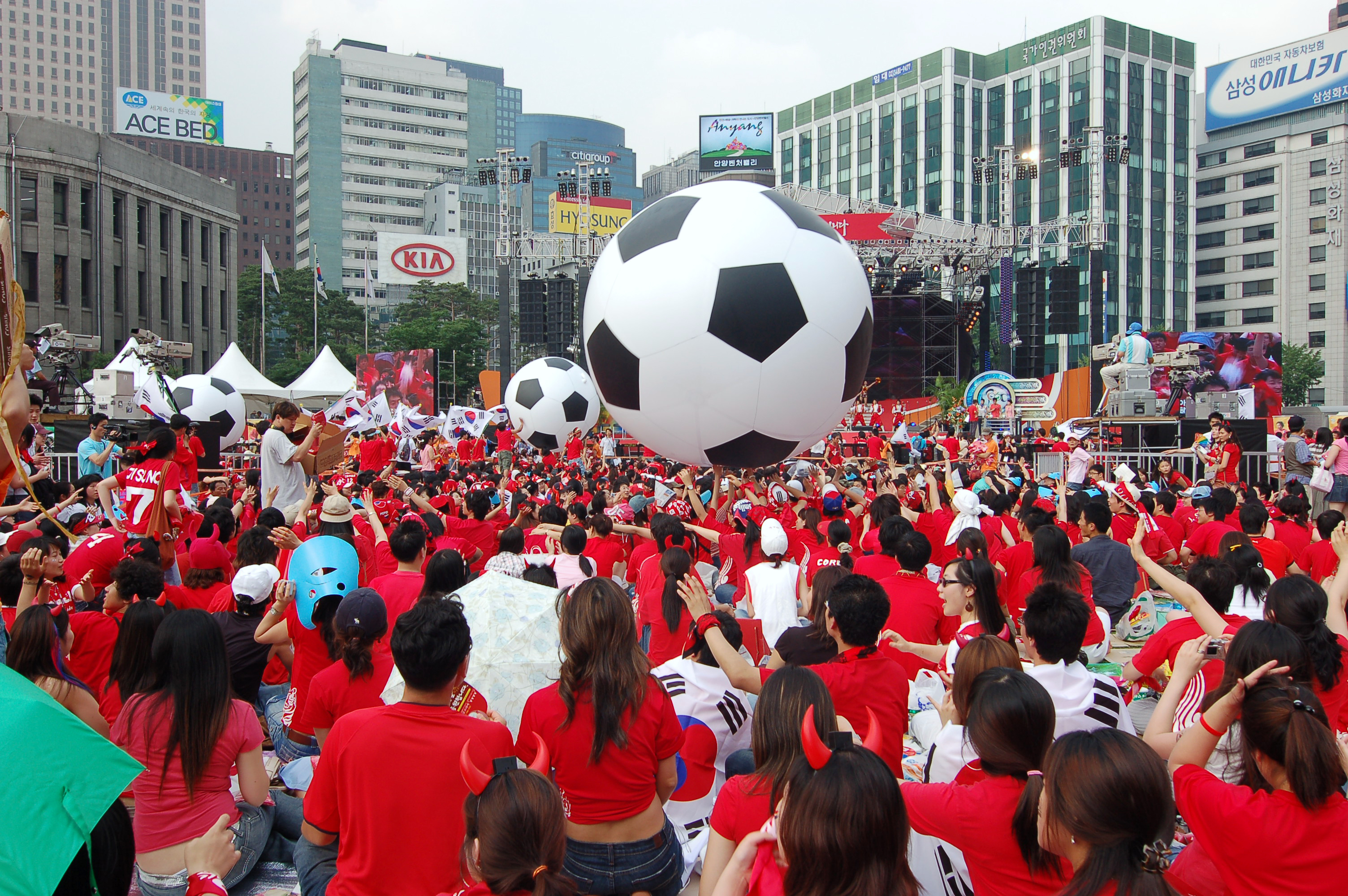 Photo: Johnathan21 / Shutterstock.com
In places like Tokyo or Seoul, previous tournaments have drawn tens of thousands of fans to parks and waterfront areas for live screenings. Similar setups are expected again in 2026, especially for key matches involving Asian teams like Japan, South Korea, and Iran.
Sports bars and shopping malls also join in, often transforming entire floors into football viewing zones.
One of Israel's unique World Cup experiences is watching matches near the Mediterranean coast, with many beach bars and outdoor venues in Tel Aviv combining football screenings with live music, food, and nightlife, particularly for evening matches. The Ticho House garden, in the heart of the city, will broadcast the games on a big screen this year.
Australia & Oceania: Community Festivals and Beach Screenings
In Australia, World Cup viewing is a major national event. Cities like Sydney and Melbourne typically host free FIFA fan zones in parks, harbors, and stadium precincts, often running all day and into the night due to time zone differences.
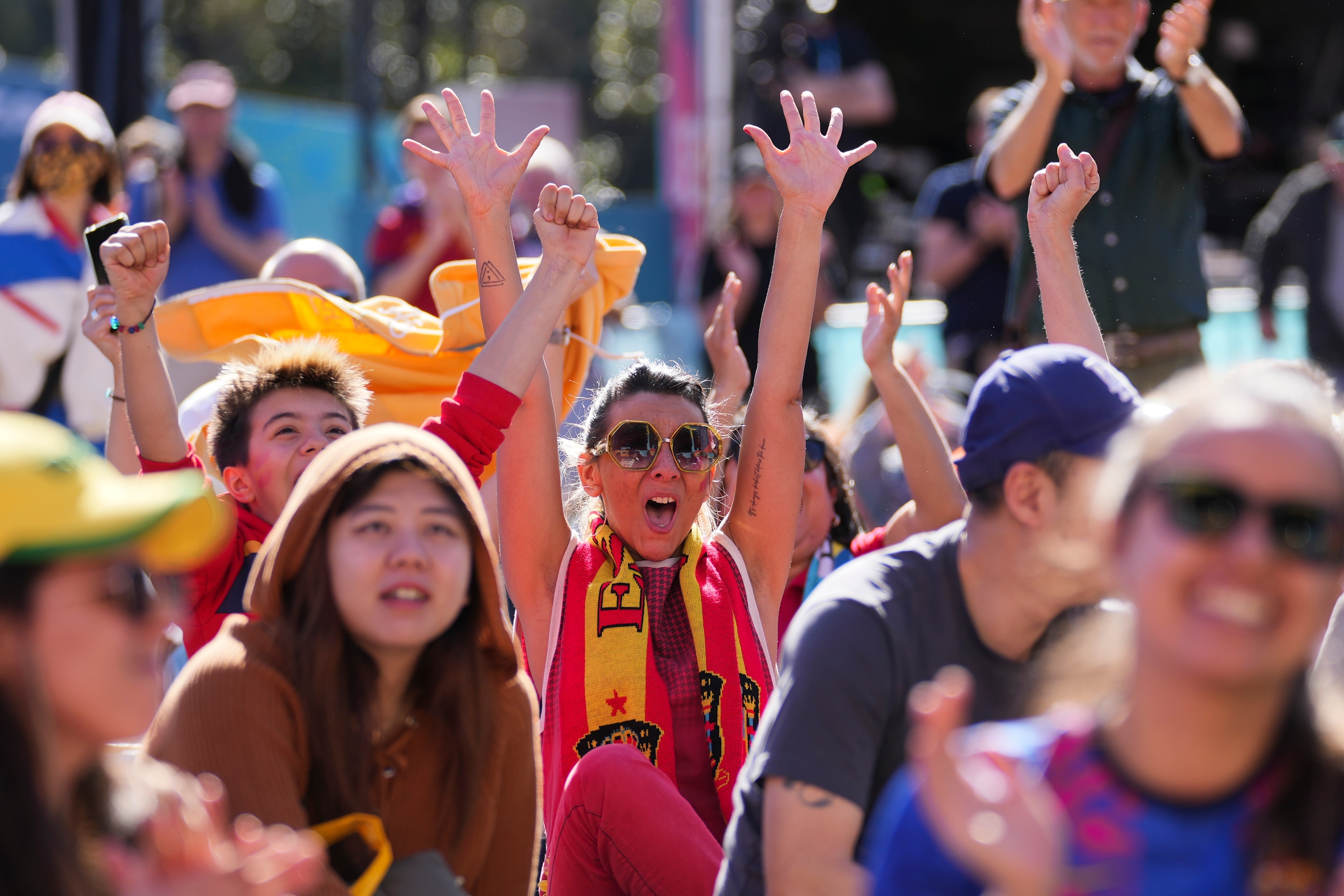 Photo: Julieta Ferrario / Shutterstock.com
Expect large public screenings at iconic locations such as harbourfront areas, along with community football festivals in suburban parks.
Local councils and broadcasters usually sponsor these events, making them free and family-friendly, with food trucks, live DJs, and kids’ activities alongside the matches.
Africa: Massive Public Screenings and National Fan Zones
In Africa, the World Cup is one of the biggest public viewing events on the continent.
Cities like Lagos, Cairo, Nairobi, Johannesburg, and Casablanca often host huge outdoor screenings in stadium car parks, public squares, and fan parks, supported by telecom companies, broadcasters, and local governments.
In Johannesburg, for example, previous tournaments have filled entire fan parks with tens of thousands of supporters, creating stadium-like atmospheres for free.
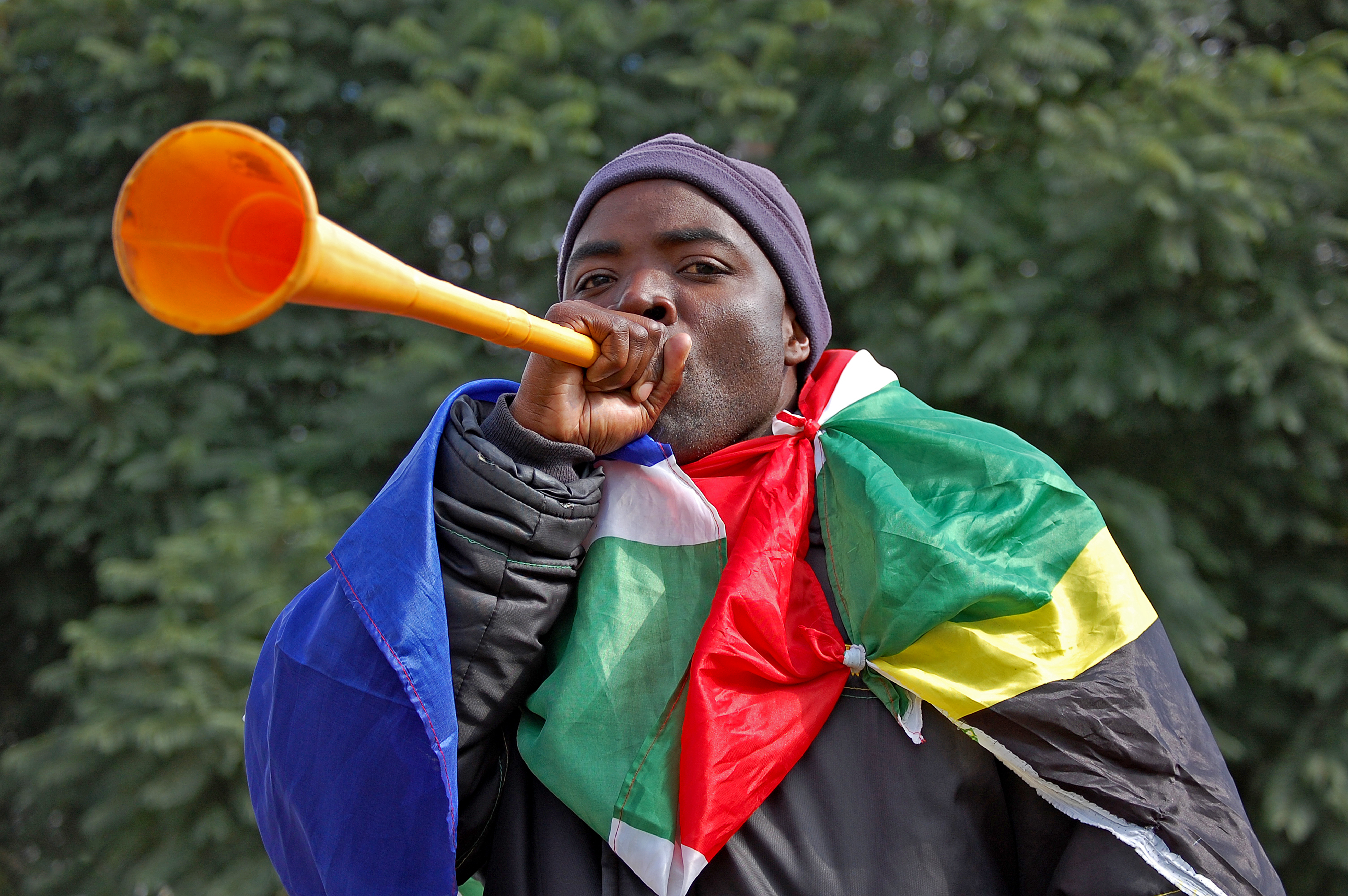 Photo: Carlo Kaminski / Shutterstock.com
Matches involving African teams (like Senegal, Morocco, Nigeria, or Cameroon if qualified) typically draw especially large crowds, turning entire districts into celebration zones.
At Home or Anywhere Else
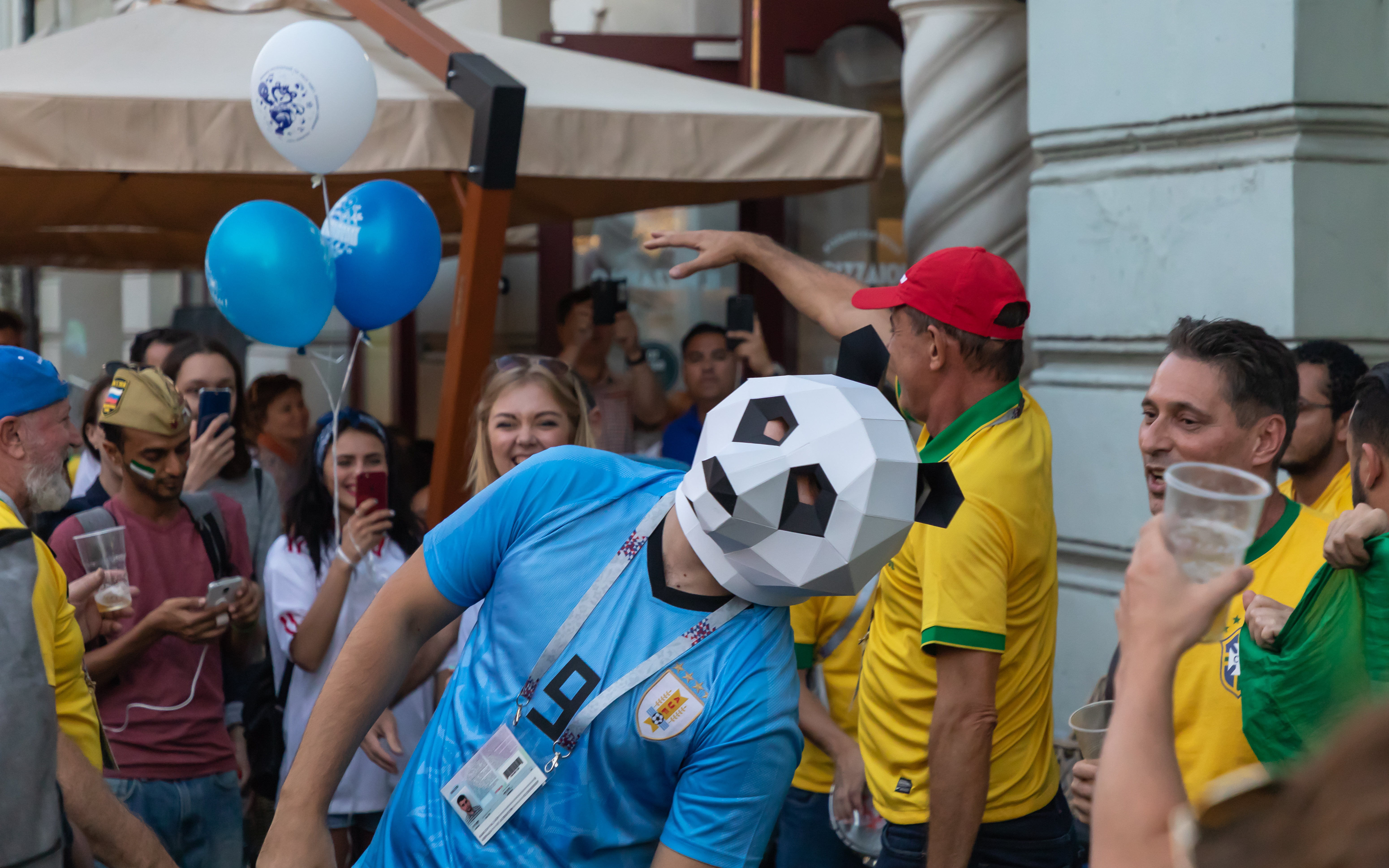
Pubs, parks, homes, and community spaces will transform into mini stadiums. Friends will host watch parties, wear jerseys, and recreate match-day atmospheres everywhere.
Streaming, social media, and global fan culture mean one thing: you don’t need a ticket to feel part of it. The World Cup is no longer just about where the games are played. It’s about where people come together to watch them.