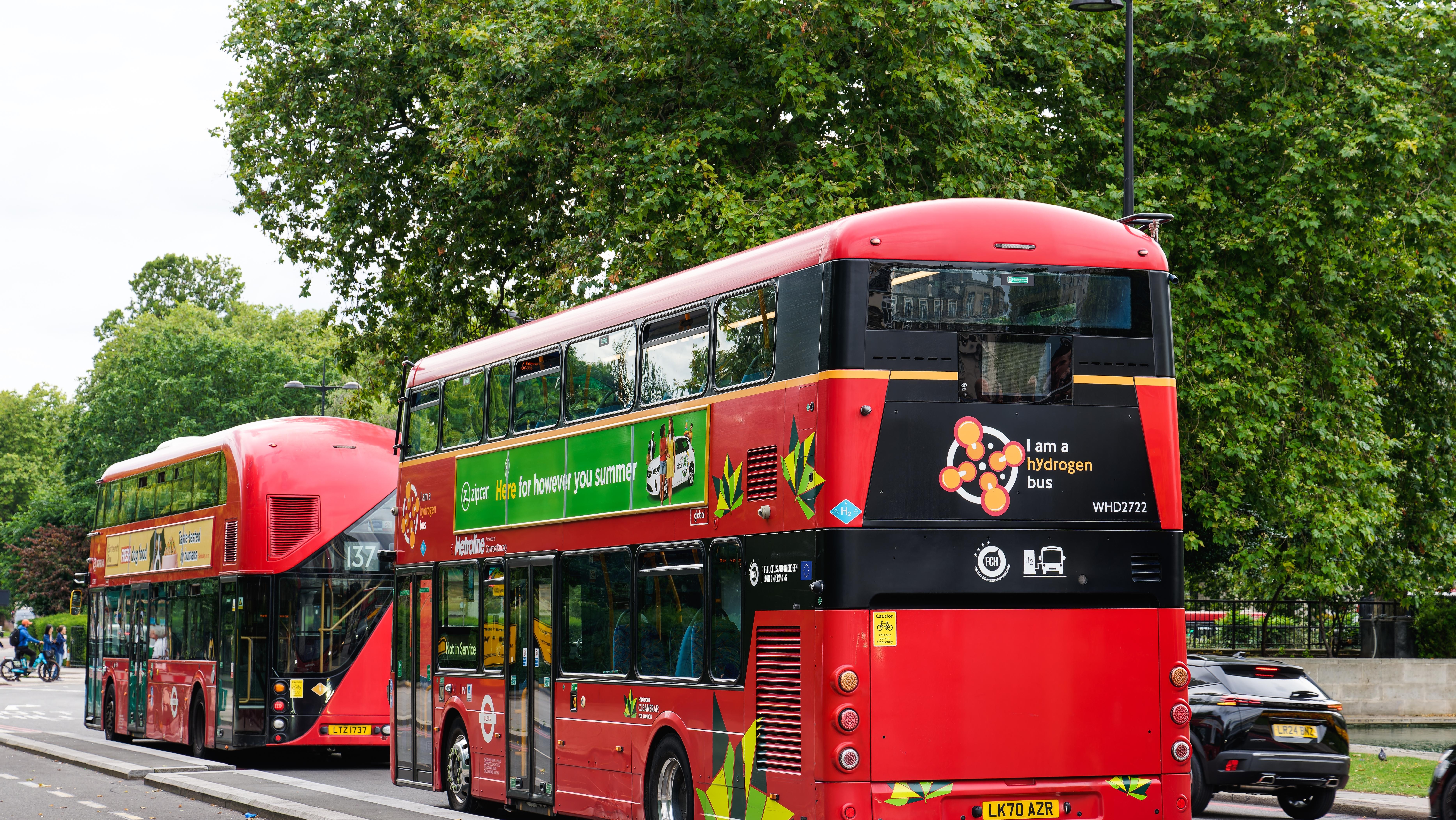
London has reached a major milestone in its push toward cleaner transport, with 3,000 zero-emission buses now operating across the capital. The figure represents around a third of the Transport for London (TfL) bus fleet and marks a dramatic shift from just 30 electric buses in 2016.
The announcement comes ahead of Clean Air Day on June 18, 2026, and highlights what officials describe as one of the fastest transitions to green public transport in Europe, with a 100-fold increase in zero-emission buses over the past decade.
Clean Air Day is the UK's largest air pollution campaign dedicated to raising awareness and encouraging people to take action for healthier air. This year's theme is "Let's use our voices to clean up our air", with organizers focusing on the health impacts of invisible air pollutants like nitrogen dioxide and particulate matter.
Speaking on the milestone, Mayor of London Sadiq Khan said the progress shows London is “leading the charge in sustainable transport”.
“I’m proud that London is leading the charge in sustainable transport with 3,000 of our iconic red buses now going green - which is a hundred times more than when I took office in 2016, and one of the largest zero-emission bus fleets in Europe,” Khan said.
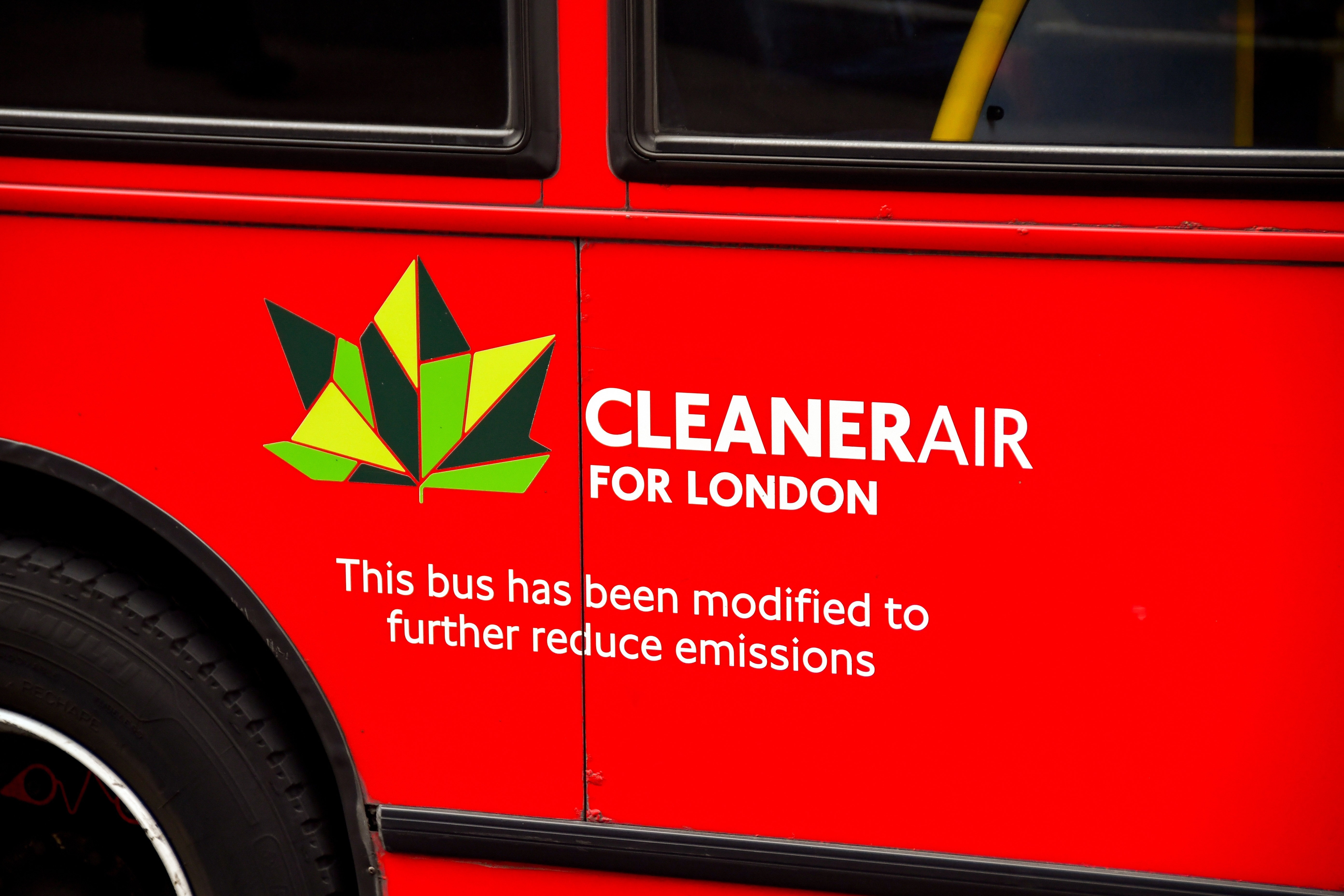 Photo: Ceri Breeze / Shutterstock.com
Faster Shift Toward Cleaner Air
TfL says all newly introduced buses since 2021 have been zero-emission at the tailpipe, while the remaining fleet meets or exceeds Euro VI standards. The authority is now aiming to double the zero-emission fleet within the next five years.
Officials estimate that fully switching the bus network to zero-emission vehicles could save around five million tonnes of carbon over the next 20 years, with current electric bus usage already cutting more than 100,000 tonnes of CO₂ annually.
That reduction is equivalent to more than 118,000 flights between London and New York, according to TfL figures.
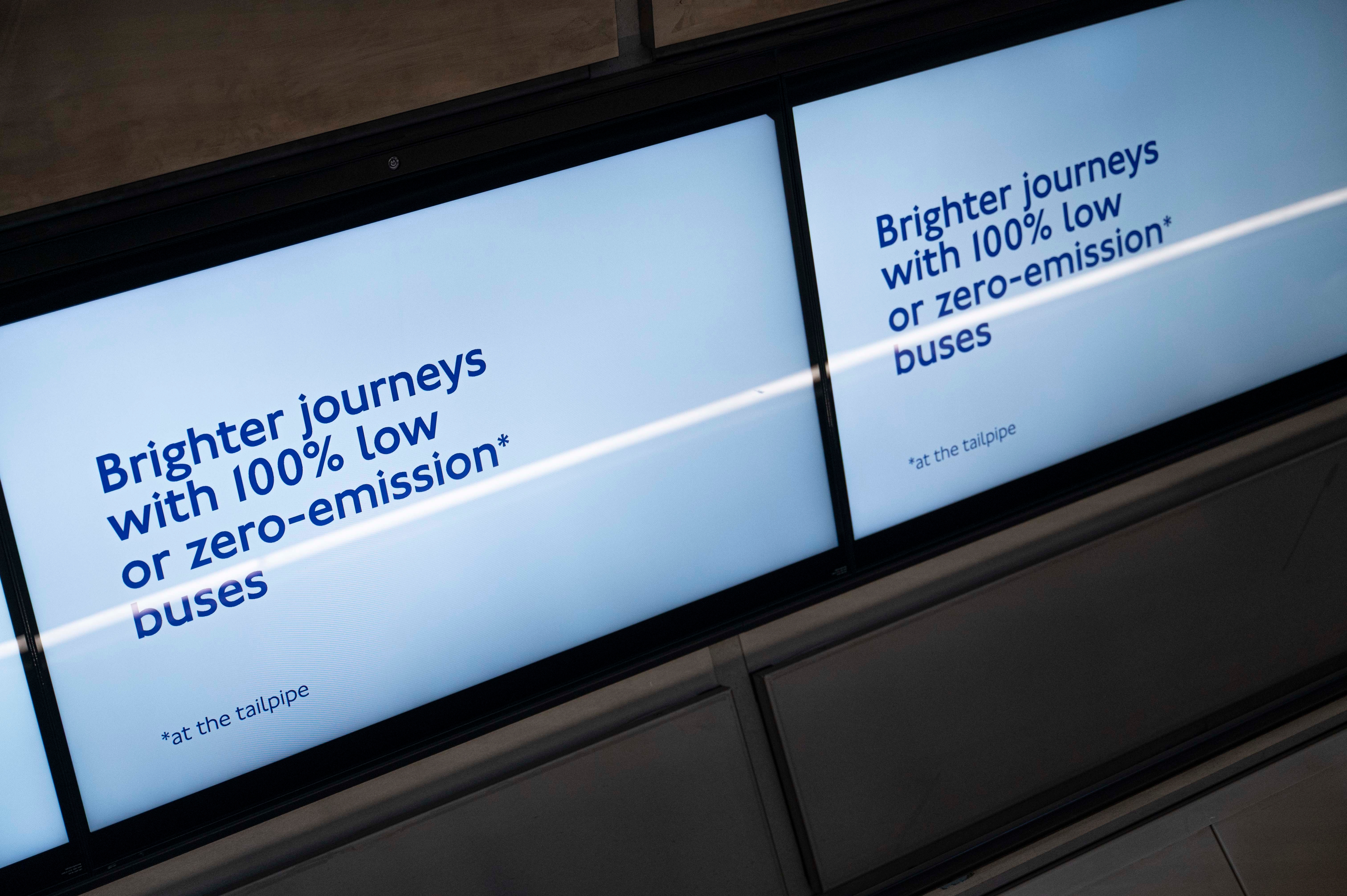 Photo: Zeynep Demir Aslim / Shutterstock.com
Smarter Buses, Cleaner Infrastructure
Beyond vehicles, TfL is also upgrading infrastructure. Around 12,000 bus shelters across London have now been fitted with LED lighting, reducing energy use by more than half while improving visibility and safety.
The 3,000th zero-emission bus will operate on route 165 between Romford and Rainham and has been specially wrapped to mark the milestone. It is operated by Stagecoach from the Rainham depot, which is undergoing upgrades to support full electrification, including new charging systems.
Stagecoach Chief Operating Officer Sam Greer said the achievement reflects close cooperation across the industry: “We’re incredibly proud to be playing our part in London’s transition to a zero-emission bus network and it’s fantastic to see the 3,000th zero-emission bus entering service from our Rainham Garage,” he said.
Industry Collaboration Behind the Rollout
Bus manufacturer Wrightbus, which supplied part of the latest order, said the milestone reflects growing momentum in zero-emission transport.
“Each vehicle represents not only a step forward in decarbonizing transport, providing cleaner air for the people of London, but also a commitment to accessibility, innovation and passenger experience,” said Christian Reynolds, Senior Political Advisor at Green Alliance.
TfL says the transition is also improving the passenger experience, with electric buses offering quieter journeys, smoother rides, USB charging points, and enhanced safety features as part of the Mayor’s Vision Zero strategy to eliminate road deaths and serious injuries.
Turning Point for London’s Buses
With around a third of the fleet now running without tailpipe emissions, London’s red buses are becoming one of the most visible symbols of the city’s climate transition.
TfL Director of Buses Lorna Murphy called it “real visible change” for everyday commuters: “This is more than a milestone; it is real visible change, cleaner journeys for Londoners every day,” she said.
As investment continues, officials say the focus now shifts from milestone to momentum, scaling up electrification across depots, routes, and supporting infrastructure to fully decarbonize one of the world’s largest bus networks.