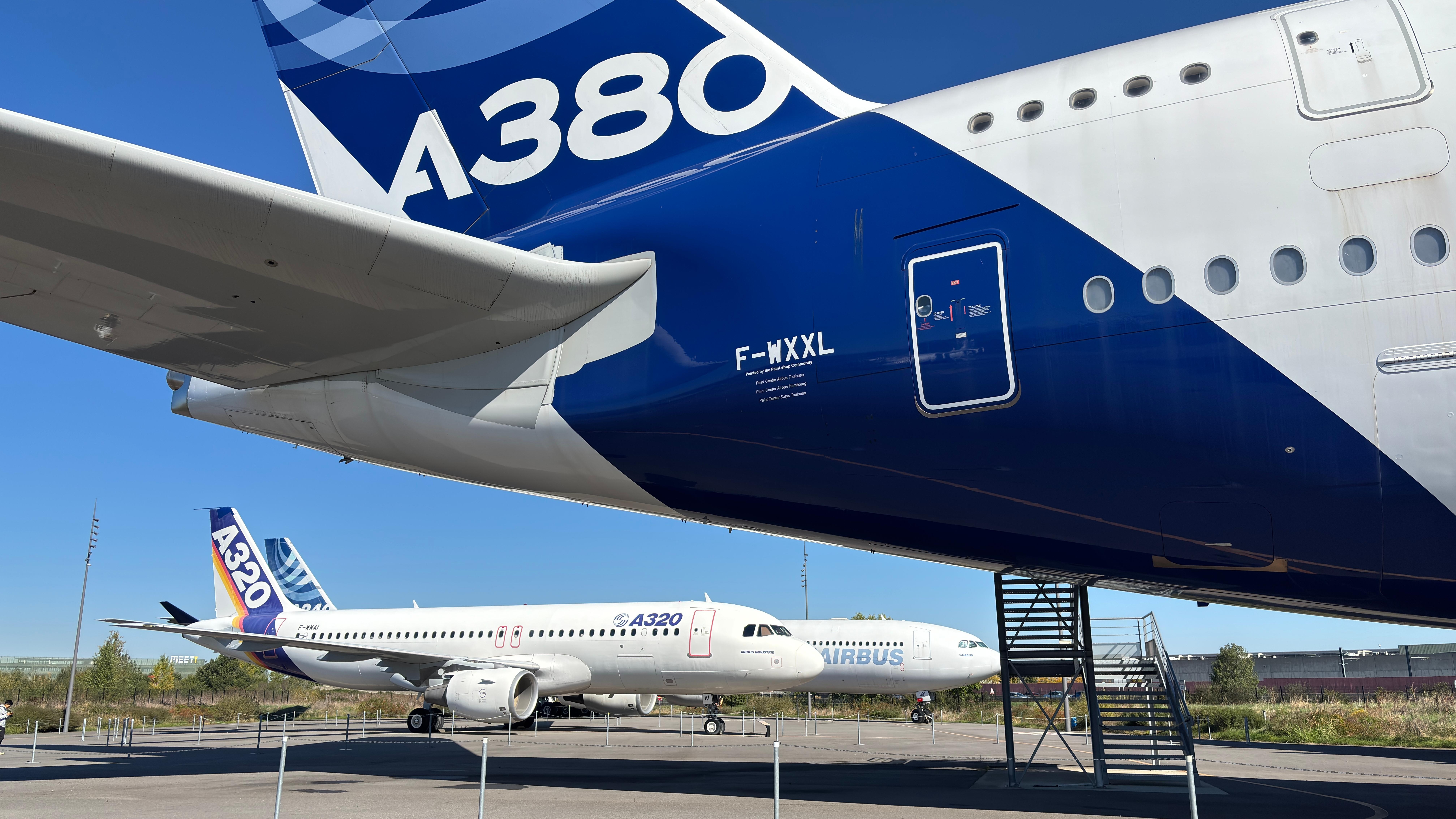
The European Union Aviation Safety Agency (EASA) has issued an Emergency Airworthiness Directive requiring immediate inspections of Airbus A380 aircraft after the discovery of cracks in the wing mid-spar structure, a key load-bearing component of the aircraft’s wing.
The directive, issued on June 22, 2026 and effective from June 24, 2026, applies to specific A380-841, A380-842 and A380-861 aircraft and requires urgent action depending on aircraft grouping. According to EASA, the issue may reduce wing structural integrity if not addressed promptly.
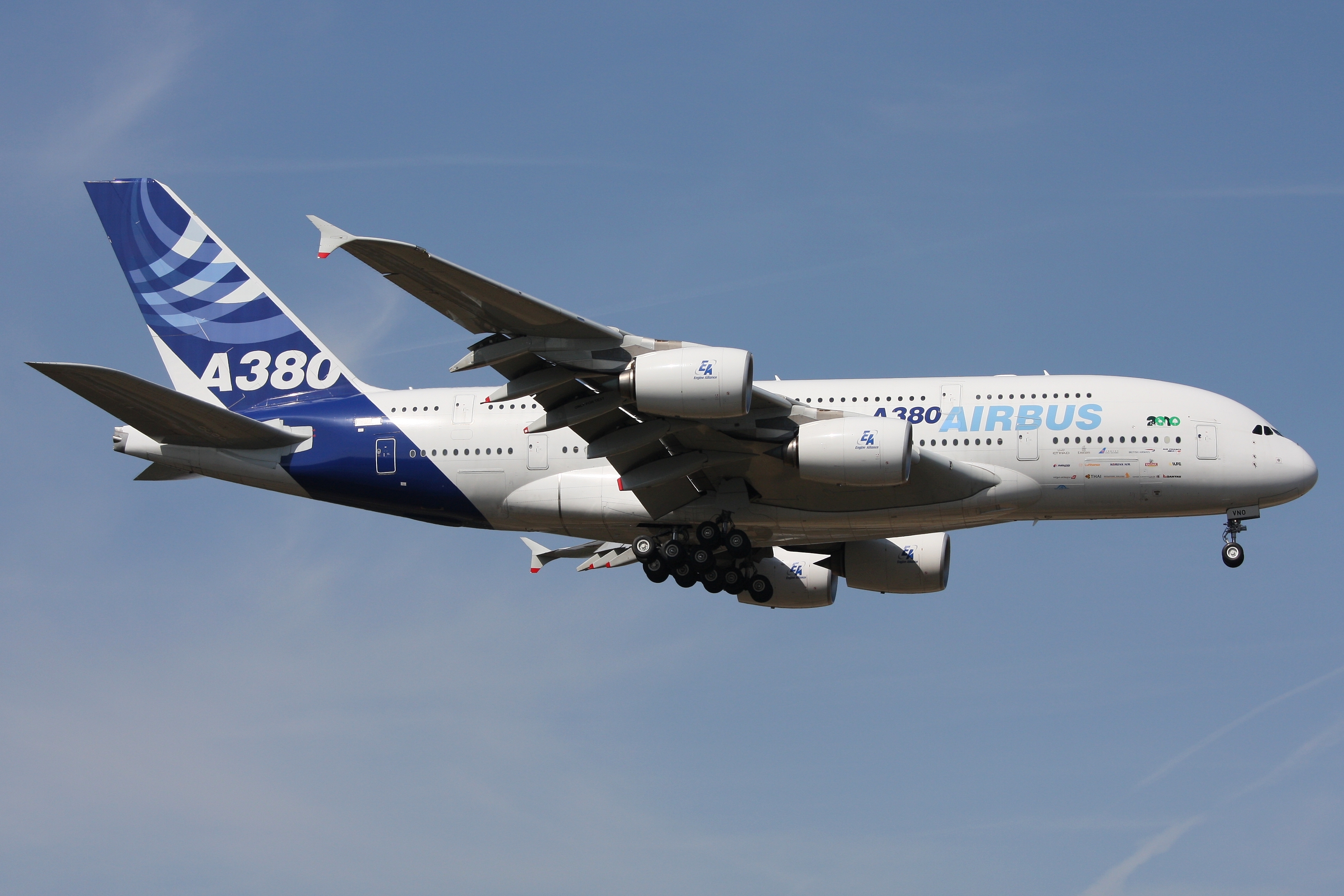 Airbus A380. Photo: Bjoern Wylezich / Shutterstock.com
Under the emergency order, Group 1 aircraft must undergo inspection before their next flight, while Group 2 aircraft must be inspected within 25 flight cycles. Limited ferry flights of up to three cycles without passengers are permitted for repositioning purposes. Operators must also report inspection results, including negative findings, to Airbus within seven days.
The directive follows previous inspections under AD 2025-0280, which identified early signs of structural concern. EASA stated that further review of inspection results confirmed that cracks in certain aircraft could present an unsafe condition requiring additional special detailed inspections.
Airbus has been instructed to provide operators with specific inspection procedures and repair guidance where necessary. The regulator also noted that further airworthiness actions may follow as data from the fleet becomes available.
The directive affects 16 aircraft across global operators, including major long-haul fleets. EASA emphasized that the action was taken as an interim safety measure and issued without full consultation due to the urgency of the findings.
A final compliance report is required from operators, and any aircraft showing discrepancies must be repaired before returning to service. The agency also encouraged reporting of similar structural issues across other aircraft types if detected.
The A380, the world’s largest passenger aircraft, remains in limited but high-profile service with carriers such as Emirates and Qantas, making any structural directive particularly significant for long-haul operations.
EASA said the measure is intended to ensure continued airworthiness and safety while engineering assessments and potential longer-term solutions are developed.