Major Milestone for Electric Aviation: Aircraft Complete Landmark Organ Transport Test
Major Milestone for Electric Aviation: Aircraft Complete Landmark Organ Transport Test
Major Milestone for Electric Aviation: Aircraft Complete Landmark Organ Transport Test
The Federal Aviation Administration, BETA Technologies, and United Therapeutics successfully completed a multi-state electric aircraft test transporting donor organs
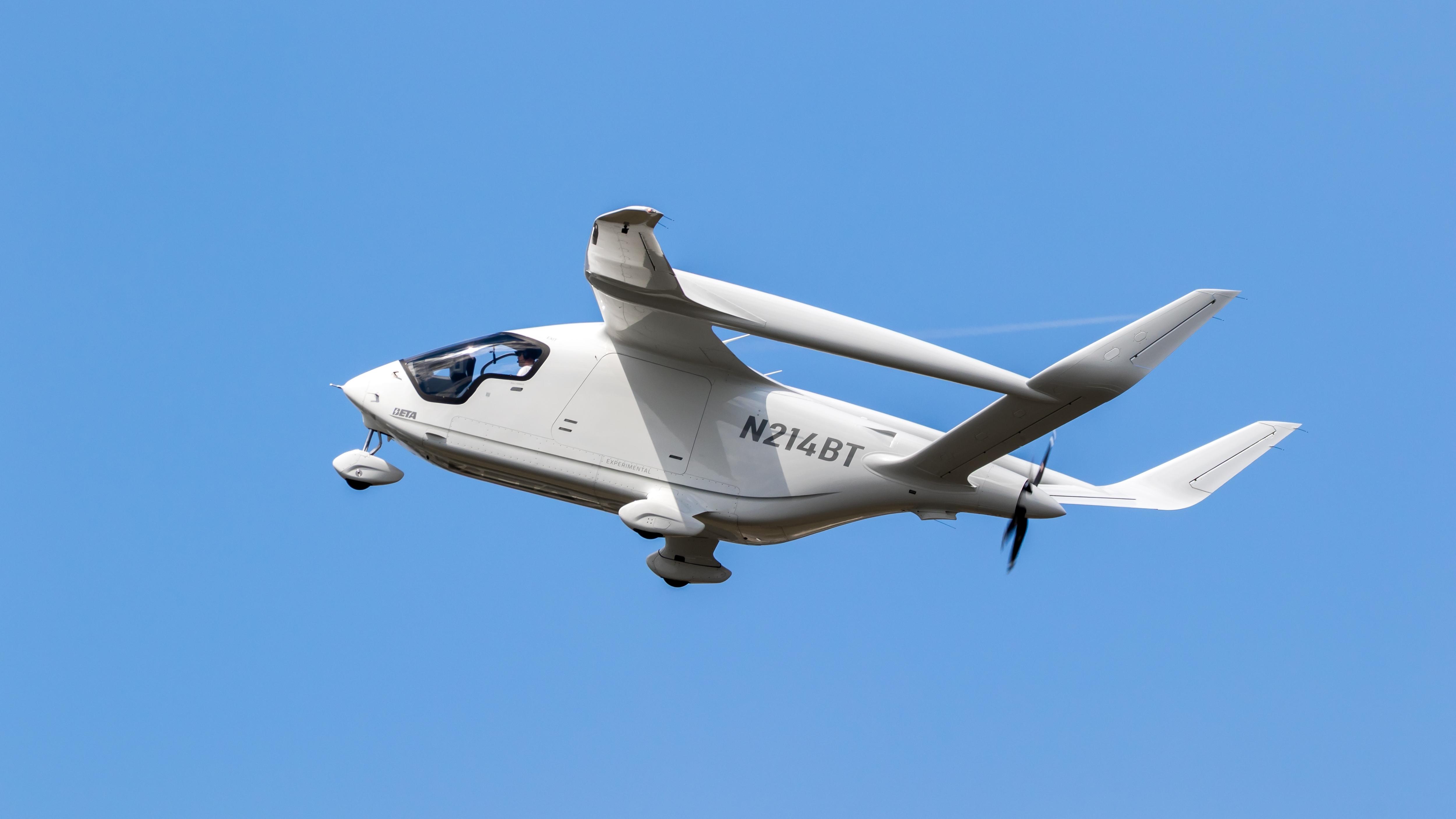
BETA Technologies ALIA arrcraft. Photo: VanderWolf Images / Shutterstock.com
After recently breaking ground on a $8.3 million facility that will be used as a dedicated testing and research site for advanced air mobility (AAM) aircraft, including electric and hybrid-electric vertical take-off and landing (eVTOL) aircraft, the Federal Aviation Administration (FAA) has exciting news.
The administration has completed a landmark flight test using electric aircraft to transport donor organs, marking a significant step toward integrating AAM into the United States' airspace.
The Organ Was Carried to 3 Airports
The demonstration, conducted by BETA Technologies and United Therapeutics Corporation in partnership with the Pennsylvania Department of Transportation, successfully tested the use of electric aircraft for medical transport missions across multiple states.
WATCH VIDEO (SOURCE: FAA YOUTUBE)
BETA's ALIA electric aircraft carried an animal organ housed in a specialized medical containment system from Virginia Tech Montgomery Executive Airport to Charlottesville Albemarle Airport in Virginia. The organ was then transferred to a second ALIA aircraft, which continued the journey to Frederick Municipal Airport in Maryland before completing the mission at Martin State Airport near Baltimore.
"Virtually Unlimited Potential"
The test was designed to evaluate the reliability and operational capabilities of electric aircraft in transporting time-sensitive medical cargo, including donor organs.
"The eIPP gives us a real-world environment to safely test and integrate the next generation of aircraft into our airspace system," FAA Administrator Bryan Bedford said. "From urban and rural transportation to lifesaving medical and search-and-rescue missions, these aircraft have virtually unlimited potential."
The flight represents a major milestone for the FAA's eVTOL Integration Pilot Program (eIPP), a federal initiative established under President Donald Trump's "Unleashing Drone Dominance" Executive Order. The program aims to accelerate the safe deployment of next-generation aircraft across the country.
While BETA's ALIA is an electric conventional takeoff and landing aircraft rather than a traditional eVTOL, the mission demonstrates the broader potential of electric aviation to support critical services such as emergency medical response and organ delivery.
According to the FAA, additional test flights are planned later this year as part of the pilot program. The agency said the data collected will help refine operational procedures, improve pilot training, and shape future policies governing Advanced Air Mobility operations.
The eIPP, announced in March 2026, includes eight projects spanning 26 states and brings together aircraft manufacturers, operators, and state transportation agencies to test a variety of use cases, including air taxis, cargo logistics, and emergency response missions.
We and our partners use cookies to enhance your website experience, learn how our site is used, offer personalised features, measure the effectiveness of our services, and tailor content and ads to your interests while you navigate on the web or interact with us across devices. By clicking "Continue" or continuing to browse our site you are agreeing to our and our partners use of cookies. For more information see