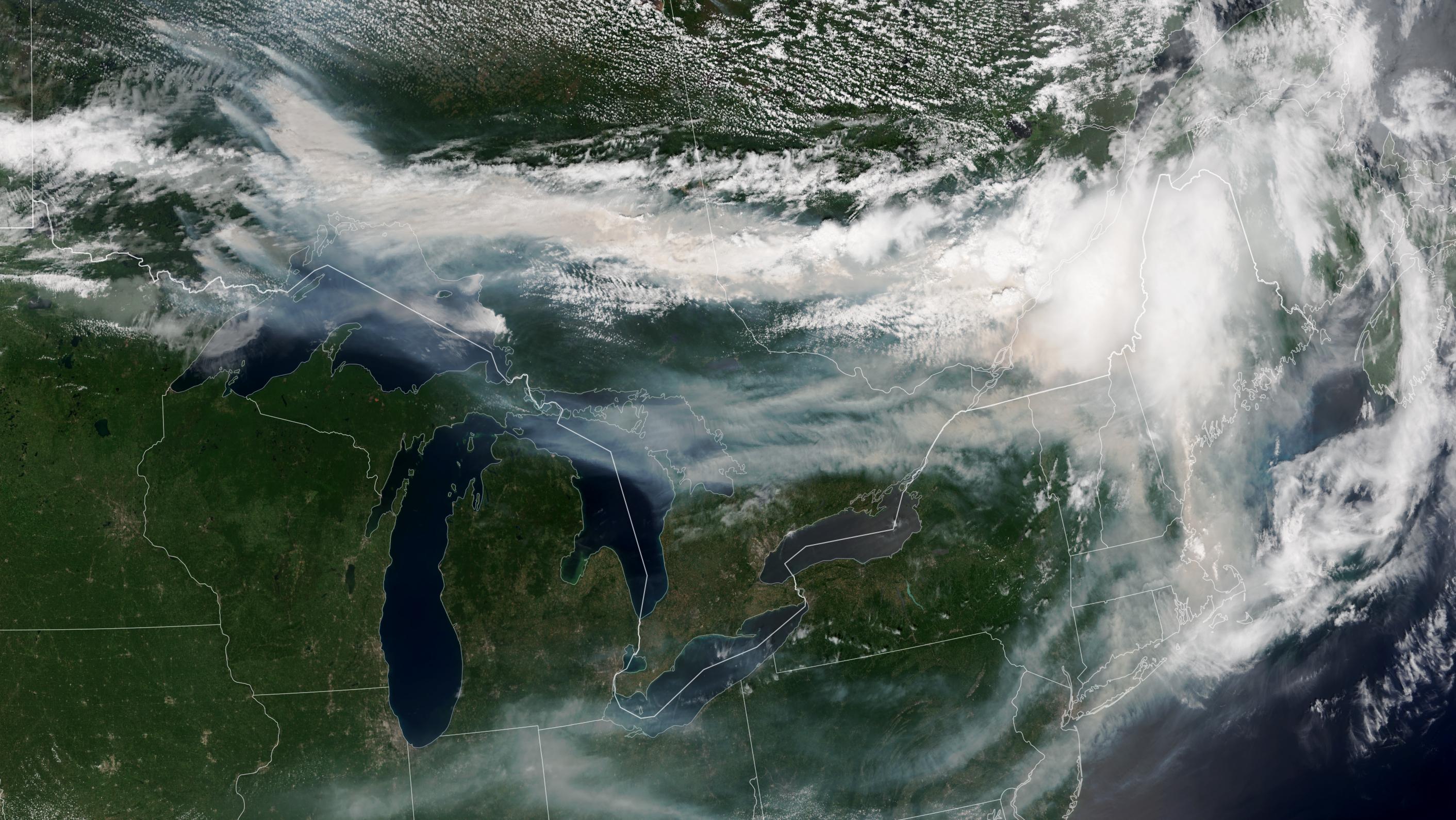
Canada’s wildfire season has intensified dramatically in recent weeks, with thick smoke from hundreds of active fires spreading across Ontario, Quebec, and parts of the United States as authorities continue to monitor conditions during what could become another challenging summer.
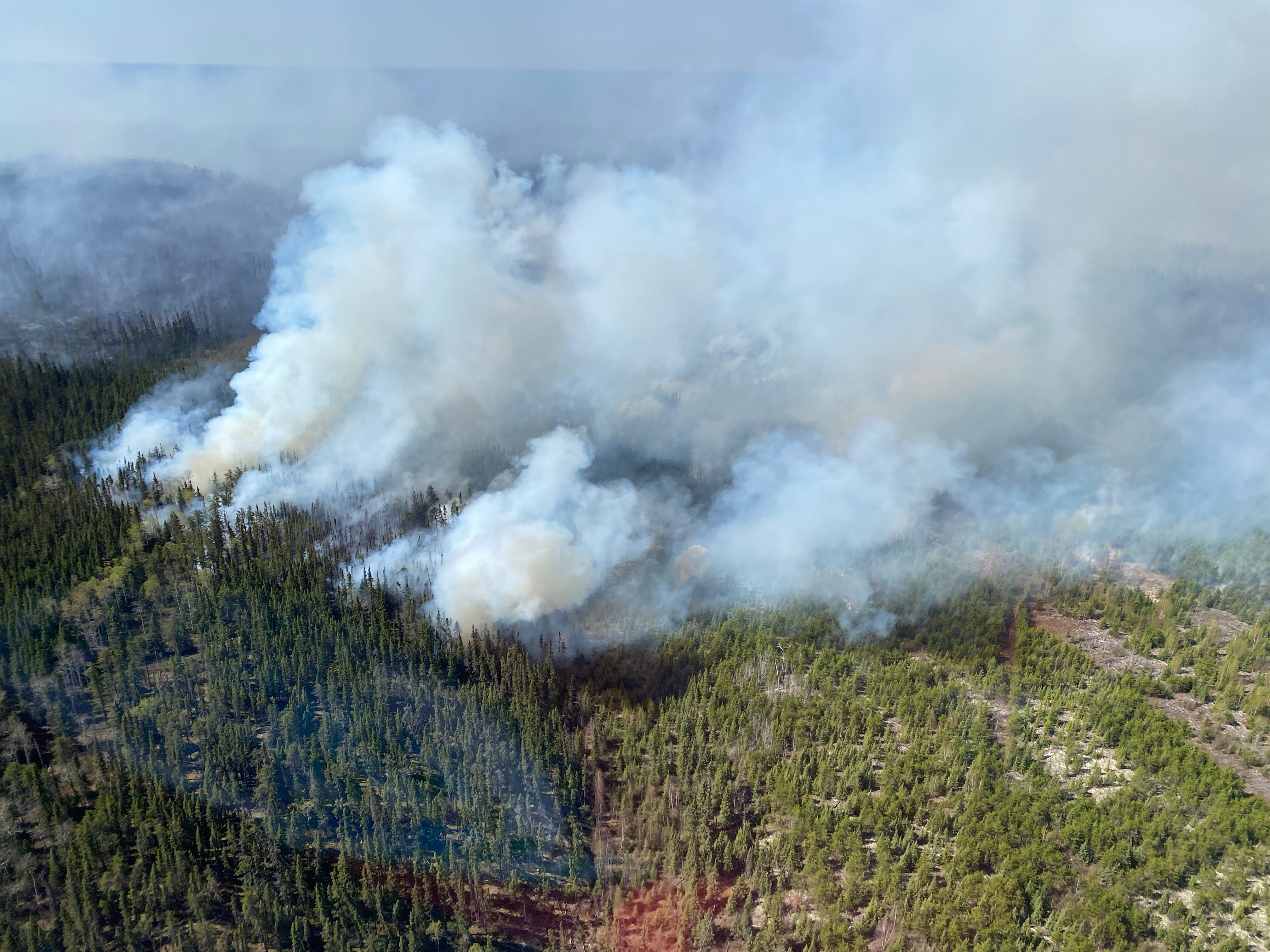 Wildfire in Canada. Photo: Shutterstock
After a relatively quiet start to the 2026 wildfire season, activity accelerated in late June as warm temperatures and dry weather created favorable conditions for fire growth. By mid-July, nearly 850 wildfires were actively burning across Canada, according to the Canadian Interagency Forest Fire Centre (CIFFC), with more than 180 of those located in Ontario alone.
Satellite imagery captured by NOAA's NOAA-21 satellite showed massive plumes of smoke stretching across southern Ontario and drifting into Quebec and the U.S. Midwest and Northeast. Residents in several regions reported hazy skies, reduced visibility, and unusually orange sunsets as smoke particles filtered sunlight.
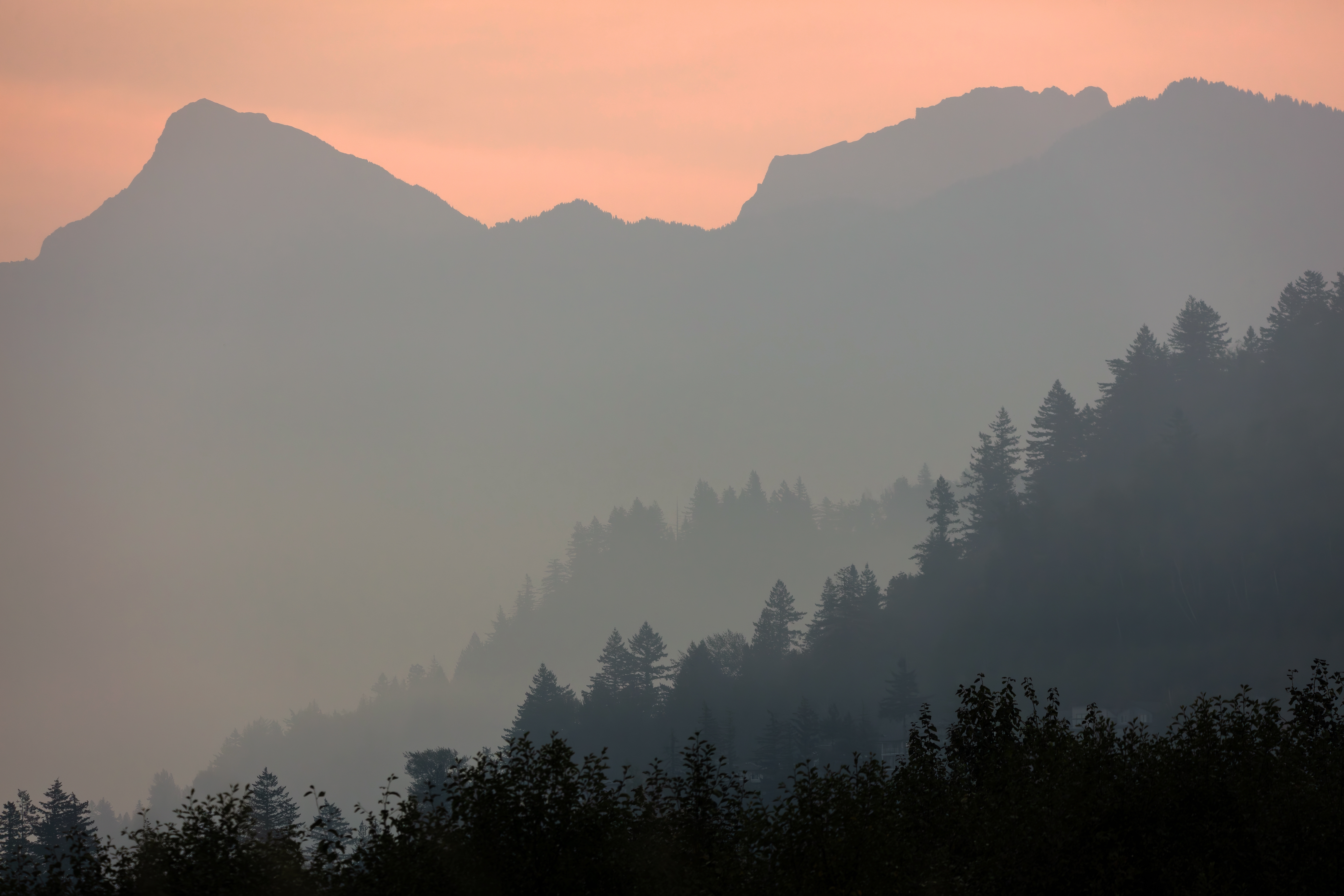 Orange sky from wildfire. Photo: Shutterstock
The impact has been particularly noticeable in Ontario, where smoke has affected millions of people. In Toronto, air quality briefly reached unhealthy levels, according to AirNow, while several communities in Northwestern Ontario remain under evacuation orders due to nearby fires.
Officials say smoke conditions can vary significantly depending on altitude. In some locations, smoke remains high in the atmosphere with limited impact on air quality. In others, it descends closer to the ground, creating potentially hazardous conditions, especially for children, older adults, and people with respiratory illnesses.
The wildfire smoke is arriving as parts of Ontario are also experiencing elevated temperatures, creating a combination of heat and poor air quality that health experts warn can increase risks for vulnerable populations.
Several fires in Northwestern Ontario saw significant growth between July 13 and July 14, contributing to the widespread smoke event. Emergency officials continue to monitor fire behavior and provide updates to affected communities.
Despite the recent surge in activity, Canada's 2026 wildfire season remains less severe than the record-breaking seasons of 2023 and 2025. As of July 14, wildfires had burned approximately 1.9 million hectares (4.7 million acres) nationwide, well below the totals recorded during those extreme years.
However, wildfire experts caution that the peak of the season is still ahead. Seasonal outlooks compiled by fire specialists from Canada, the United States, and Mexico indicate that elevated fire risks could persist through July, August, and September in several regions across North America.
Europe is also dealing with the same phenomenon. Earlier this week, Italy has high wildfire alerts across parts of Sardinia and Sicily amid hot, dry weather raising the risk of fast-spreading fires this week.
heightened alerts also come just days after neighboring Spain battled one of its deadliest wildfires in recent years. The devastating blaze near Los Gallardos in Andalusia killed 13 people, left others missing, and forced around 1,000 residents to evacuate before firefighters managed to stabilize the fire.
Spanish officials have since warned that an exceptionally dry summer is increasing the risk of further large wildfires.
At the start of the month, Portugal also entered a state of alert as extreme wildfire conditions prompted travel warnings, forest access bans, and emergency restrictions, while Greece asked travelers to stay alert after firefighters responded to 40 wildfires in just 24 hours. In France, two wildfires burned over 2,000 hectares in the Fontainebleau forest south of Paris over 48 hours,