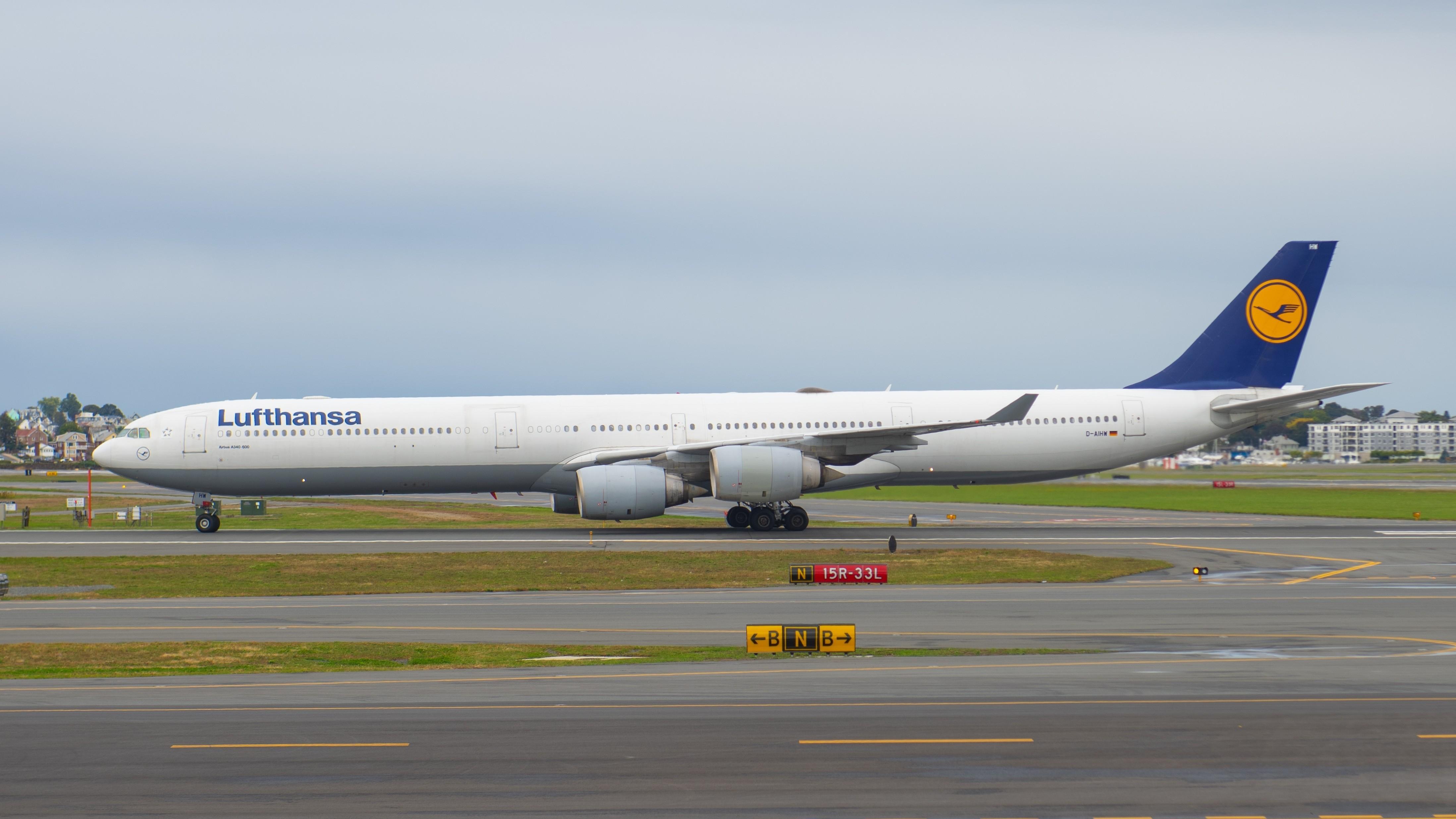
At around 6:30 this morning (GMT), flight LH419 from Washington, the capital of the United States, landed at Frankfurt, Germany's largest airport. But this was not just another landing; it was one of particular interest to aviation enthusiasts.
The aircraft, codenamed D-AIHW, is the last of Lufthansa's A340-600s and the last of this model to be retired today (although other A340 sub-models will continue to operate with several companies).
The retirement of the A340-600 is not just another aircraft sent to scrap; it marks the end of an era for several reasons. First and foremost, the four engines. The A340 is the only single-deck passenger aircraft currently in service with four engines (unlike the double-decker A380 and Boeing 747).
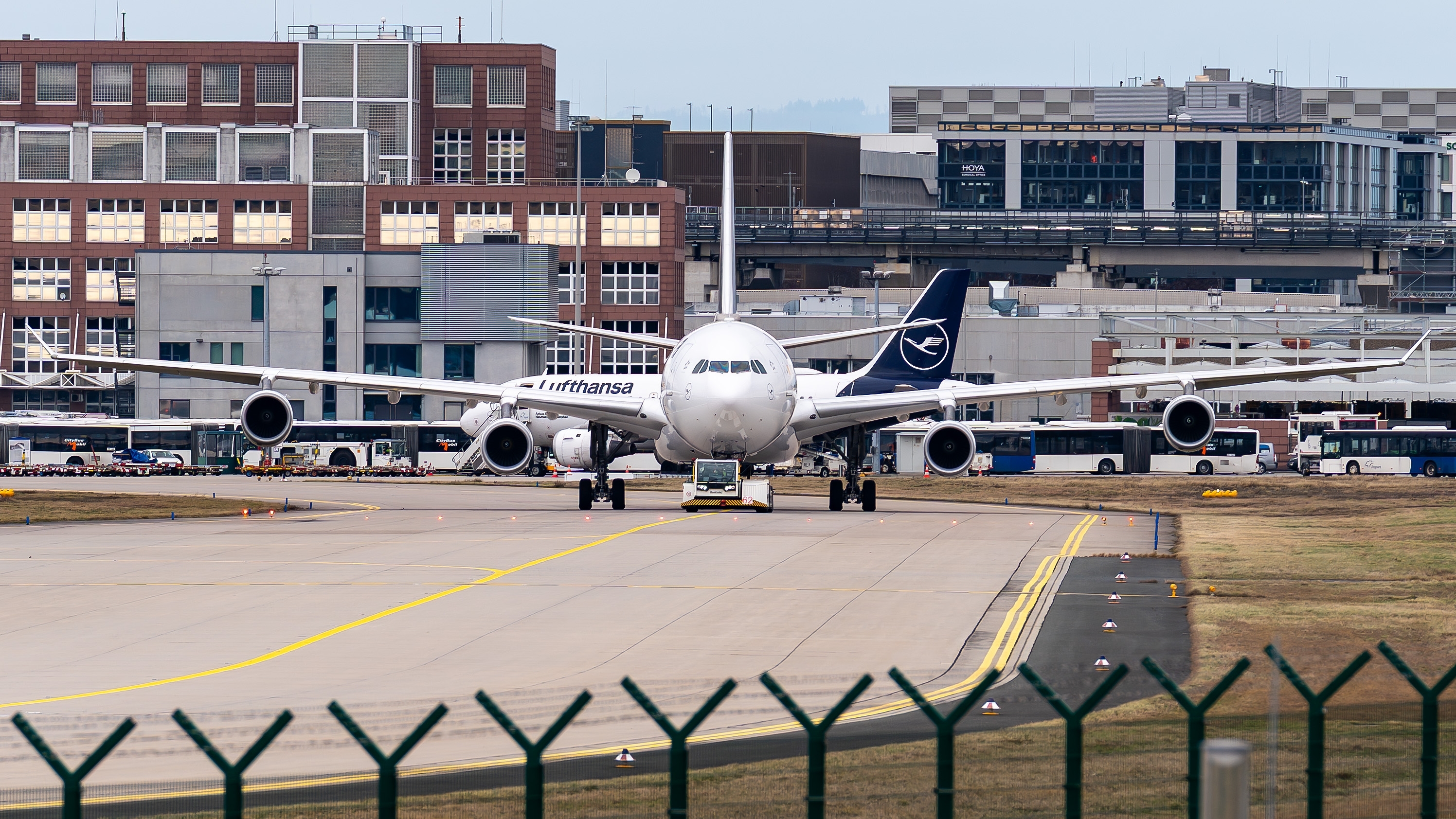 Airbus A340 aircraft. Photo: Shutterstock
But an even more interesting piece of trivia about the model is its length and appearance. It is one of the longest passenger planes in the world, at 75.3 meters long, longer than most other planes you've flown in (and at the time the longest of them all). Its long, narrow appearance earned it the nickname "The Flying Pencil."
Accordingly, the A340-600's unusual length, along with the four engines under the wings, has made it one of the most prominent aircraft on runways and in aviation enthusiasts' photos.
Born to See the World
The A340 was developed as part of the effort by European aircraft manufacturer Lufthansa to expand its wide-body aircraft offering and compete with American manufacturers in the long-haul flight market.
The aircraft made its maiden flight on 25 October 1991, and entered commercial service in March 1993, with Lufthansa and Air France among others. It was developed at the same time as the twin-engine Airbus A330, but its four-engine configuration gave it greater flexibility on long-haul flights over oceans.
Over the years, four major variants have been developed: the A340-200 and A340-300, followed by the A340-500 and A340-600. The later variants are designed to offer extremely long ranges and greater capacity.
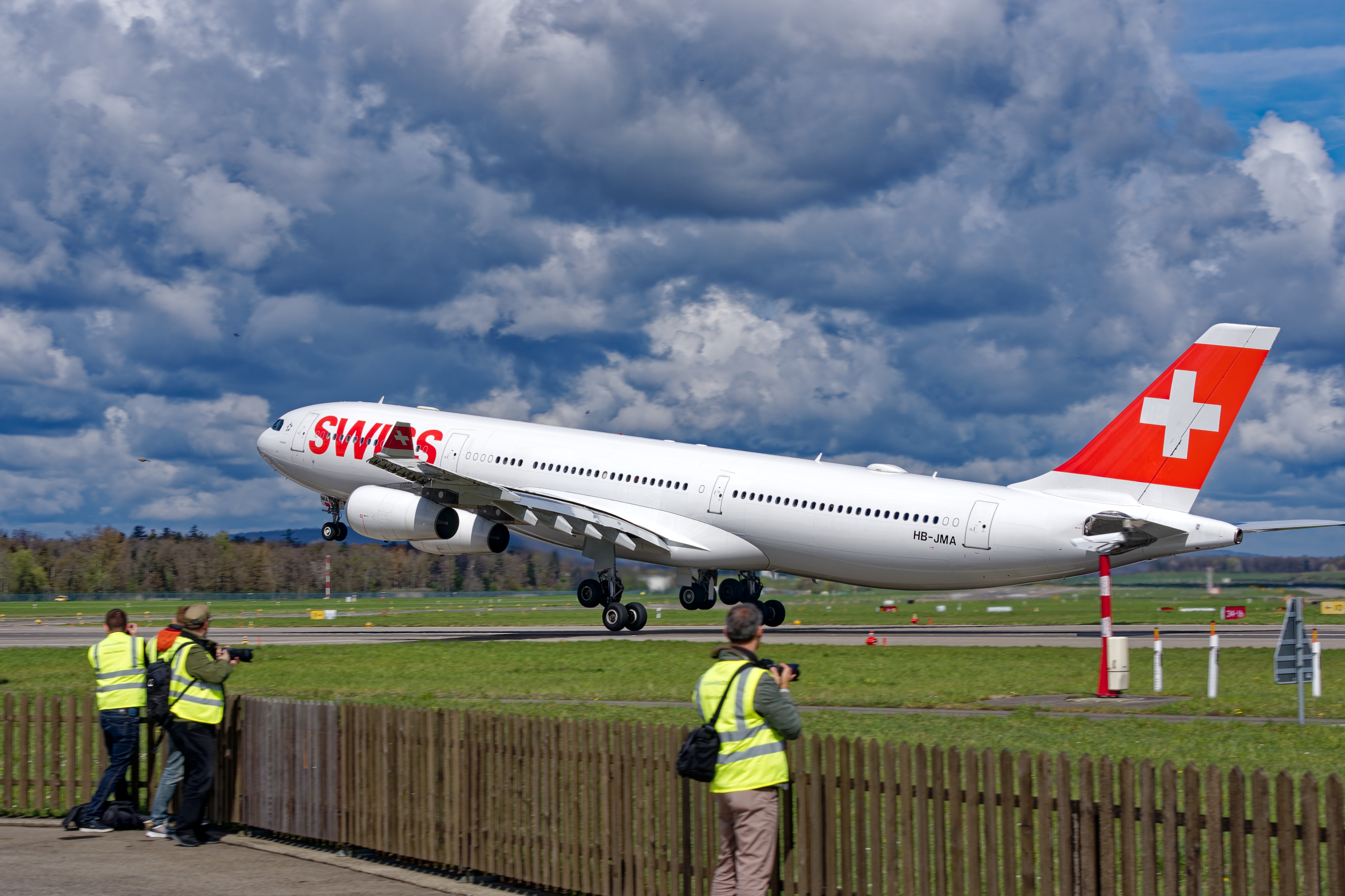 SWISS Airbus A340. Photo: Shutterstock
But the advantage of four engines has become an economic disadvantage over the years. Advances in engine technology have allowed twin-engine aircraft such as the Boeing 777 and the Airbus A350 to fly extremely long distances, with lower fuel consumption and reduced operating costs. For airlines, whose profitability also depends on fuel prices and efficient aircraft use, the choice has become increasingly clear.
In November 2011, Airbus announced it would end production of the A340 after demand for the aircraft waned. Since then, fleets have been shrinking, and many airlines have replaced it with newer, more fuel-efficient models. Iberia, for example, operated its last scheduled passenger flight with an A340-600 in August 2020, after 24 years of operating the aircraft family with the company.
Now it's the Lufthansa A340-600's turn, but it won't disappear completely. Various operators still use aircraft from the family. But for commercial aviation, the departure of the long-haul version marks another step into an era where efficiency outweighs the number of engines.
The "Flying Pencil" may continue to appear in the skies for a while longer, but its place as a historic symbol of intercontinental aviation in the 1990s and early 2000s is already assured.
Airbus A340-600 in Numbers
-Lenght: 75.36 m
-Wingspan: 63.45 m
-Number of engines: 4
-Maximum take-off weight: 380 tons
-Maximum flight range: 14,450 km
-Cruising speed: 871 km/h
-Maximum fuel received: 204,500 liters