Tokyo, long considered one of the world's leading tourist and business centers, is becoming even more prominent on the international aviation map. Leading airlines are increasing their presence in Japan by opening routes, increasing frequencies, and using advanced aircraft.
The latest move comes from Lufthansa, which announced last weekend that its first Airbus A350-1000 aircraft will enter commercial service on December 3, 2026, on a flight from Munich to Tokyo - Haneda.
The first aircraft, to be called Deutschland and bearing the registration D-AIFA, is expected to arrive in Munich in mid-November from Airbus’ Toulouse facility. It will be the 700th aircraft Airbus has delivered to the Lufthansa Group and the seventh in the special 100th anniversary fleet, featuring the company’s festive goose design.
The aircraft has 300 seats in four classes, including first class with suites, business class, premium economy and economy class.
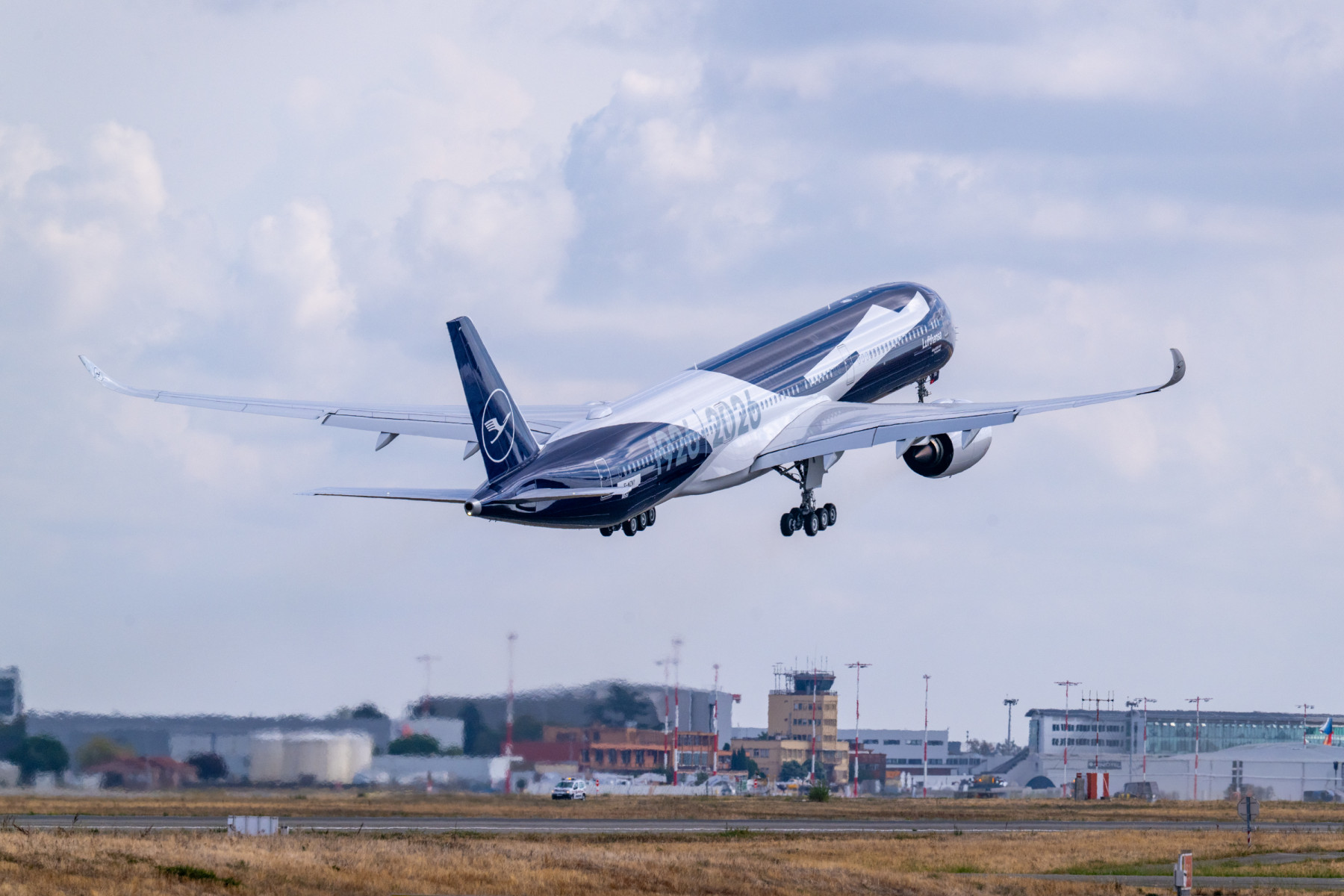 Lufthansa's Airbus A350 in its festive livery. Photo: Lufthansa
At the same time, as we published last week, Air India expanded its operations between India and Japan and Emirates added a second daily flight on the Dubai - Tokyo Narita route.
This is more than just launching a few routes. Tokyo enjoys a combination of international tourism, unique culture, cuisine, shopping, business, and convenient connectivity to other destinations in Japan.
 EMIRATES A350 aircraft. Photo: Emirates
For airlines, increased supply lets them compete for leisure and business travelers, strengthen their hubs, and attract passengers who continue through their home ports to other destinations in Asia and around the world.
Why Now? The Answer Is in the Numbers
As mentioned, Tokyo is much more than a major city in Japan. It is a gateway to a country that manages to attract very diverse audiences. On the one hand, it has a combination of traditional culture, temples, historic neighborhoods and gardens; on the other hand, it offers nightlife, fashion, technology, restaurants, shopping malls and urban attractions on a huge scale.
 Kyoto. Photo: Shutterstock
The result is a destination suitable for any type of trip and vehicle. Beyond the city itself, Tokyo serves as a convenient starting point for continuing your trip to Kyoto, Osaka, Mount Fuji, and other destinations throughout Japan.
The numbers also explain the surge in interest in the destination. According to the Tokyo Metropolitan Government, the city received an estimated 28.65 million foreign tourists in 2025, a 15.6% increase from the previous year and a new record. Spending by foreign visitors rose by 14.9%.
Alongside tourism demand, Tokyo is an international business and economic hub, so airlines can attract both business and leisure travelers, and fill flights with connecting passengers. This combination makes it a strategic destination for companies looking to strengthen their operations in Asia - and why the race for flights to Tokyo is expected to continue to be at the center of the global aviation market.