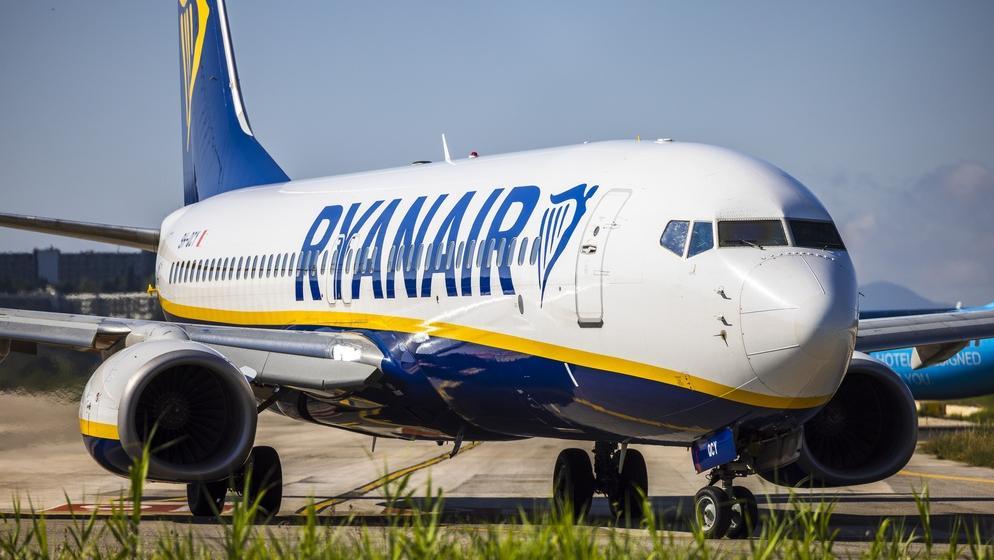
Ryanair is making good on its threat to Belgium. The Irish low-cost carrier announced today (Tuesday, October 20, 2026) the launch of its reduced winter flight schedule in the country, which includes the cancellation of 20 routes from the two main airports in the Brussels region, Charleroi and Zaventem.
As part of the move, the company is cutting 1.1 million seats from its supply and transferring six aircraft from Belgium to other European markets. Ryanair estimates the value of the investment in the six aircraft at $600 million.
The move comes after months in which the company warned that raising aviation taxes in Belgium would harm the economic viability of operating flights from the country and significantly reduce the scope of its operations.
As early as December 2025, Ryanair announced its intention to cut approximately 1.1 million seats and cancel 20 routes in Belgium.
At that time, there was talk of removing five aircraft from operation in the country, with an estimated investment of about $500 million.
Now, in its new announcement, the company is presenting a reduced winter schedule that includes the retirement of six aircraft, one more than the plan it previously reported, alongside the 20 routes and 1.1 million seats already included in the original cutback plan.
In fact, this is not an additional cut of one million seats beyond the plan it previously announced, but rather the introduction of the reductions into the activity schedule that the company publishes for the winter season.
At the heart of the conflict is the Belgian government's decision to increase the airline tax for passengers from €2 in January 2025 to €7 in January 2027.
According to Ryanair, this is a 250% price increase, which it claims harms the competitiveness of Belgian airports compared to other European countries.
The company points specifically to countries such as Slovakia, Sweden, Hungary and Italy, where certain aviation taxes have been eliminated or costs for airports and airlines have been reduced.
Ryanair claims that a lower cost environment in other EU countries is encouraging companies to expand operations there, while tax increases in Belgium are leading to a diversion of aircraft and capacity to competing countries.
In its official announcement, the company states that the six aircraft, representing an investment of approximately $600 million, have been diverted to operations in other European markets.
Ryanair did not specify in the announcement the list of the 20 canceled routes or the new deployment destinations of all the aircraft.
According to the company, continuing the current tax policy could lead to further cuts, and it is once again calling on the Belgian government to cancel the tax increase.
The reduction in capacity in Belgium is expected to reduce the supply of flights available from both airports in the Brussels region, mainly for passengers using low-cost airlines.
Reducing seat supply may also affect competition and ticket prices on routes where several companies operate, although no official assessment has been published on expected price changes.
Passengers planning flights to or from Belgium during the winter of 2026/27 are asked to check route availability and updated schedules.
The conflict in Belgium adds to a series of decisions Ryanair has made in recent months about its operations at European airports.
In Germany, for example, the company recently announced it will reduce operations in Berlin and cease flights from Bremen starting in April 2027, citing high operating costs and taxes there.
The airline also announced it will withdraw four aircraft from the Vienna base and 12 routes will be canceled as part of the upcoming winter schedule.
Meanwhile, in countries and airports where the company sees more attractive economic conditions, it continues to deploy aircraft, open routes, and expand seat supply.