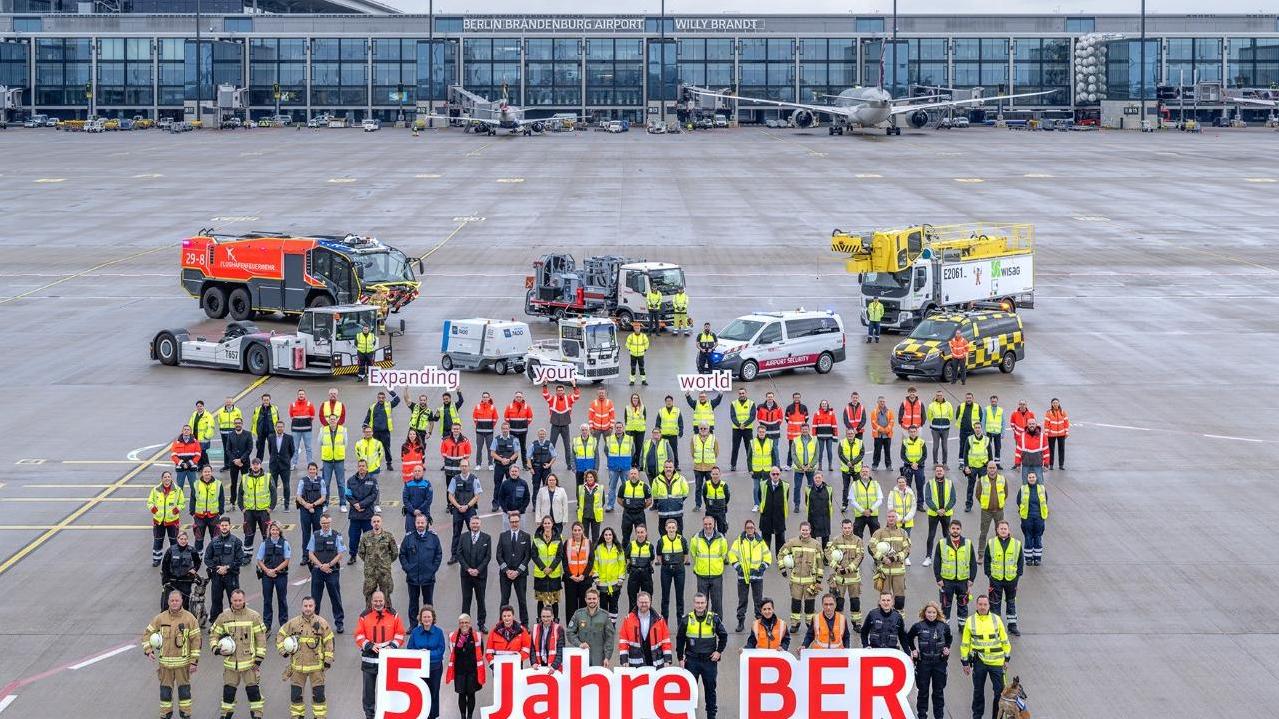
Berlin Brandenburg Airport (BER) celebrates five years of operation, and the numbers are impressive: more than 100 million passengers have passed through it since it officially opened on October 31, 2020.
In 2024 alone, 25.5 million passengers passed through the terminals, with the peak day, October 17, 2025, recording more than 100,000 passengers in one day.
70 Airlines Flying to 150 Destinations
Since the start of operations, more than 800,000 aircraft have taken off and landed at the airport, and some 50 million pieces of luggage and 200,000 tons of cargo have been loaded. Today, around 70 airlines operate from BER, connecting Berlin Brandenburg to 150 destinations around the world, including New York, Toronto, Dubai, and Beijing. Starting in November 2025, Abu Dhabi will also join the network of destinations.
The airport's operations have become a significant growth engine for the region's economy, attracting new businesses and creating thousands of jobs, with over 20,000 employed at the airport.
Investing in Technology and Sustainability
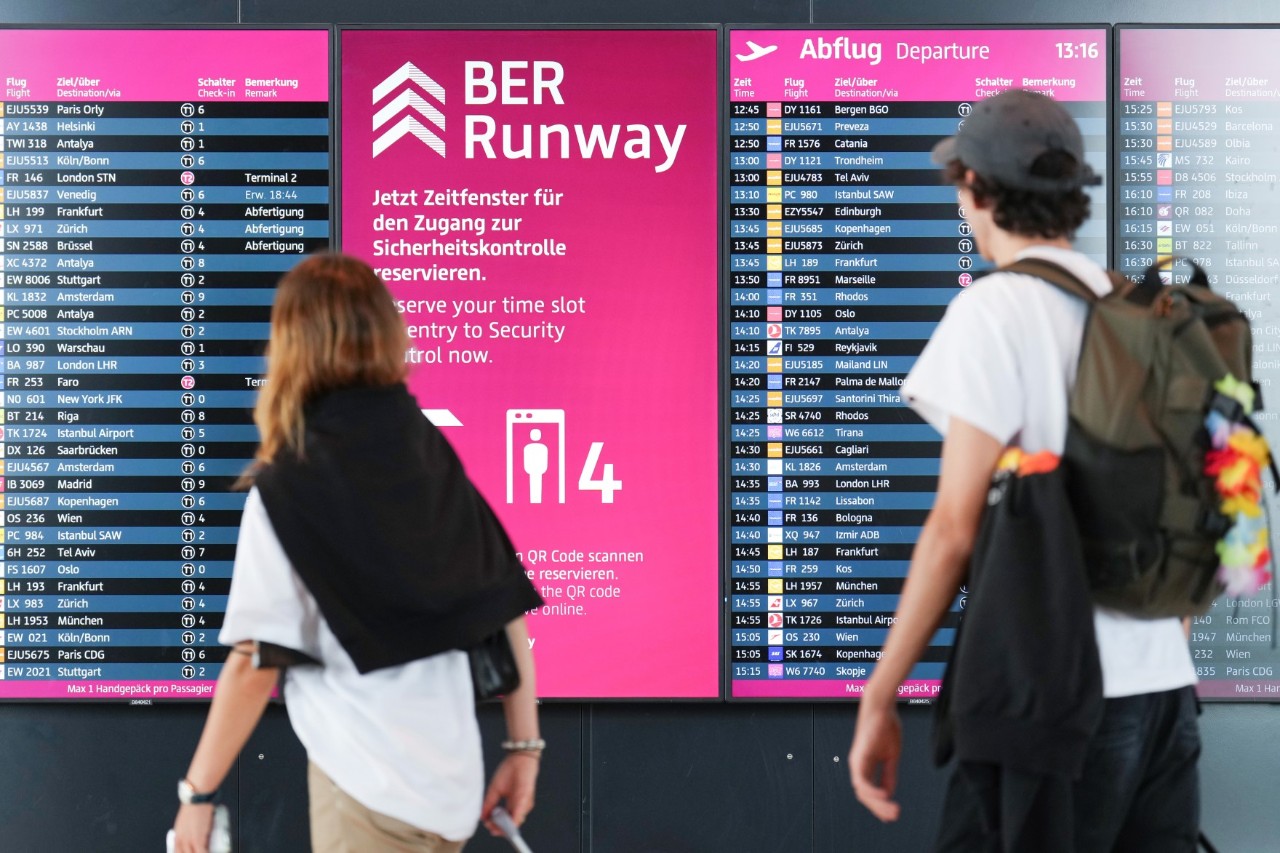
In recent years, significant investments have been made to improve the passenger experience and digitize processes. Many of these decisions were hit with heavy criticism during the airport's early stages. However, services such as fast-track screening, biometric facial recognition, and over 120 self-service check-in and baggage claim stations have made transit through the airport faster and more convenient.
In addition, both terminals were equipped with advanced CT scanners, which significantly improved the speed of examinations.
BER Airport is the first in Germany to implement an artificial intelligence system for real-time monitoring of aircraft handling processes, positioning it at the forefront of operational innovation.
In terms of environmental sustainability, the airport places significant emphasis on reducing emissions. Since 2010, they have reduced direct carbon emissions by approximately 50%. Three solar systems installed this year in parking lots provide green electricity, while the switch to energy-efficient lighting technologies continues. In 2024, the company received international Level 3 certification in carbon emission reduction, and its goal is to expand solar production by 2030.