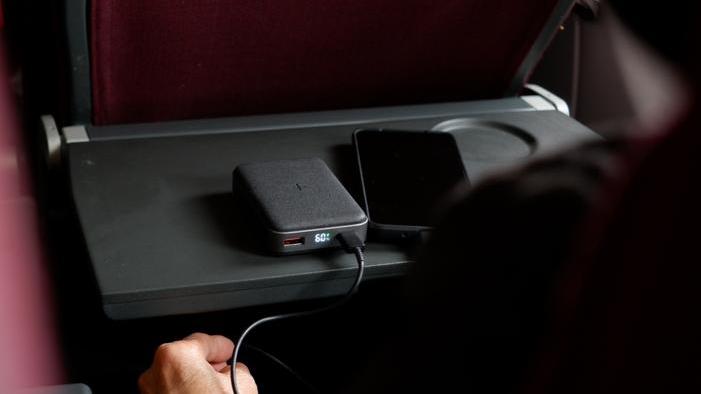
The ban on using portable chargers on flights is expanding. Australian airline group Qantas has announced a major safety policy change regarding the use of portable chargers (Power Banks) on its flights. Starting December 15, the use and charging of portable chargers during flights will be completely prohibited.
As you may recall, in the past year, there has been an increase in incidents on flights caused by portable chargers and lithium batteries, including cases where the charger overheated, caught fire, and even exploded during the flight. In light of the increasing risk, many airlines around the world have begun to tighten procedures in order to protect the safety of passengers and crew, the latest being the aviation giant Emirates, which, starting in October, completely banned the use of portable chargers.
 Emirates' ban on the use of
Under the new guidelines, all passengers on Australian airlines may carry up to two portable chargers (each up to 160 watts per hour), provided they are clearly marked with the battery specifications. The chargers must be carried in hand luggage only, stored in a seat pocket, under the seat, or in the overhead compartment, and must not be placed in checked baggage.
Additionally, even on aircraft with USB or personal power outlets, charging portable chargers will be completely prohibited during the flight. Lithium batteries incorporated into “Smart Bags” must be removed prior to boarding and remain with the passenger in their carry-on baggage, in accordance with the same guidelines that apply to portable chargers.
The tightening of the guidelines will also apply to the subsidiary Jetstar, which operates low-cost flights in Australia and the Asia-Pacific region, and to QantasLink, which operates domestic and regional flights to destinations throughout Australia.
The decision follows an internal review of the group’s safety practices, in consultation with other industry stakeholders, including Virgin Australia, IATA, and Oneworld members. The policy is also aligned with an update from the International Civil Aviation Organization (ICAO), which is expected to take effect in 2026.
The main goal of the new guidelines is to enable air crews to locate and respond quickly to an unusual event caused by a possible malfunction in lithium-battery devices.
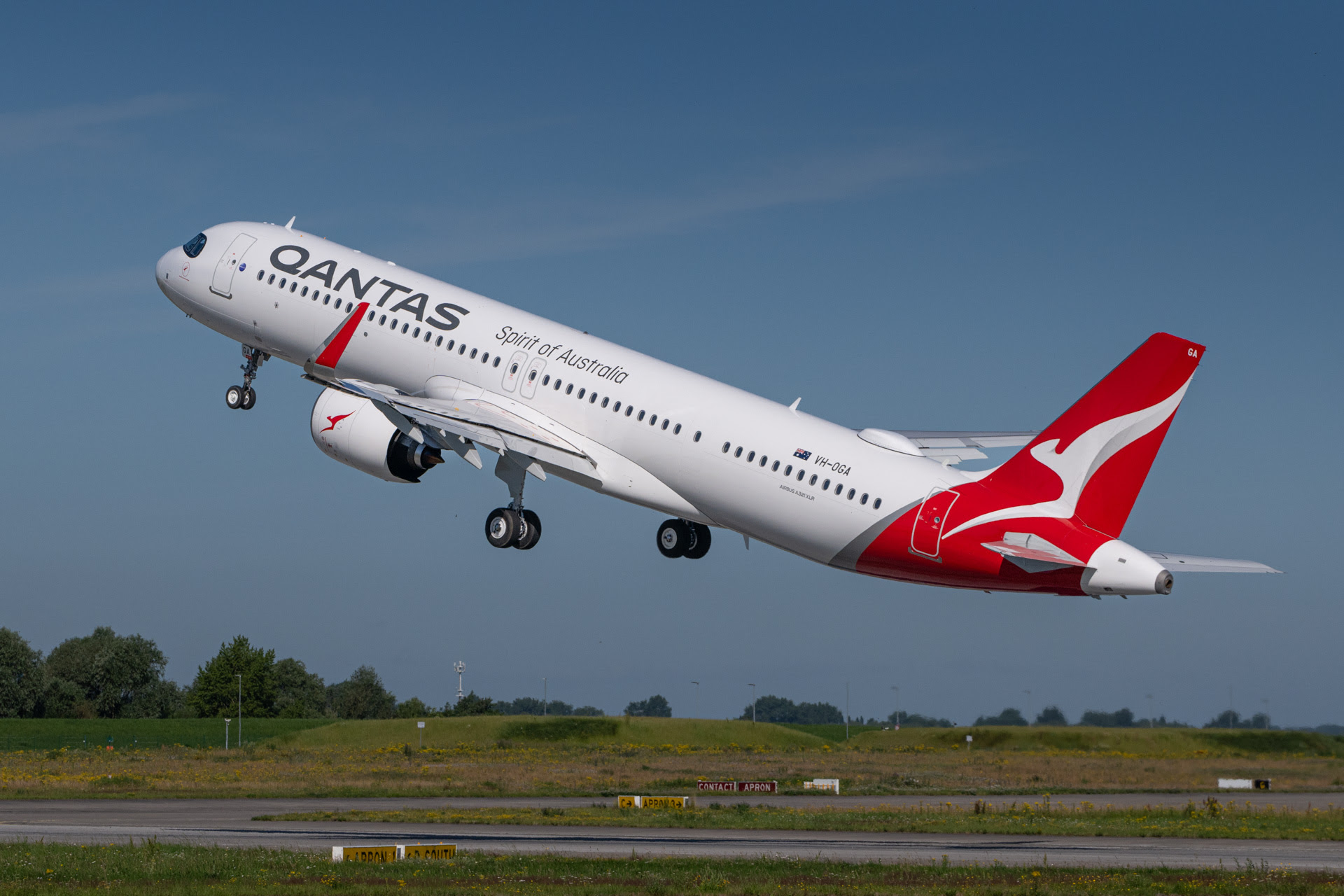 QANTAS A321XLR