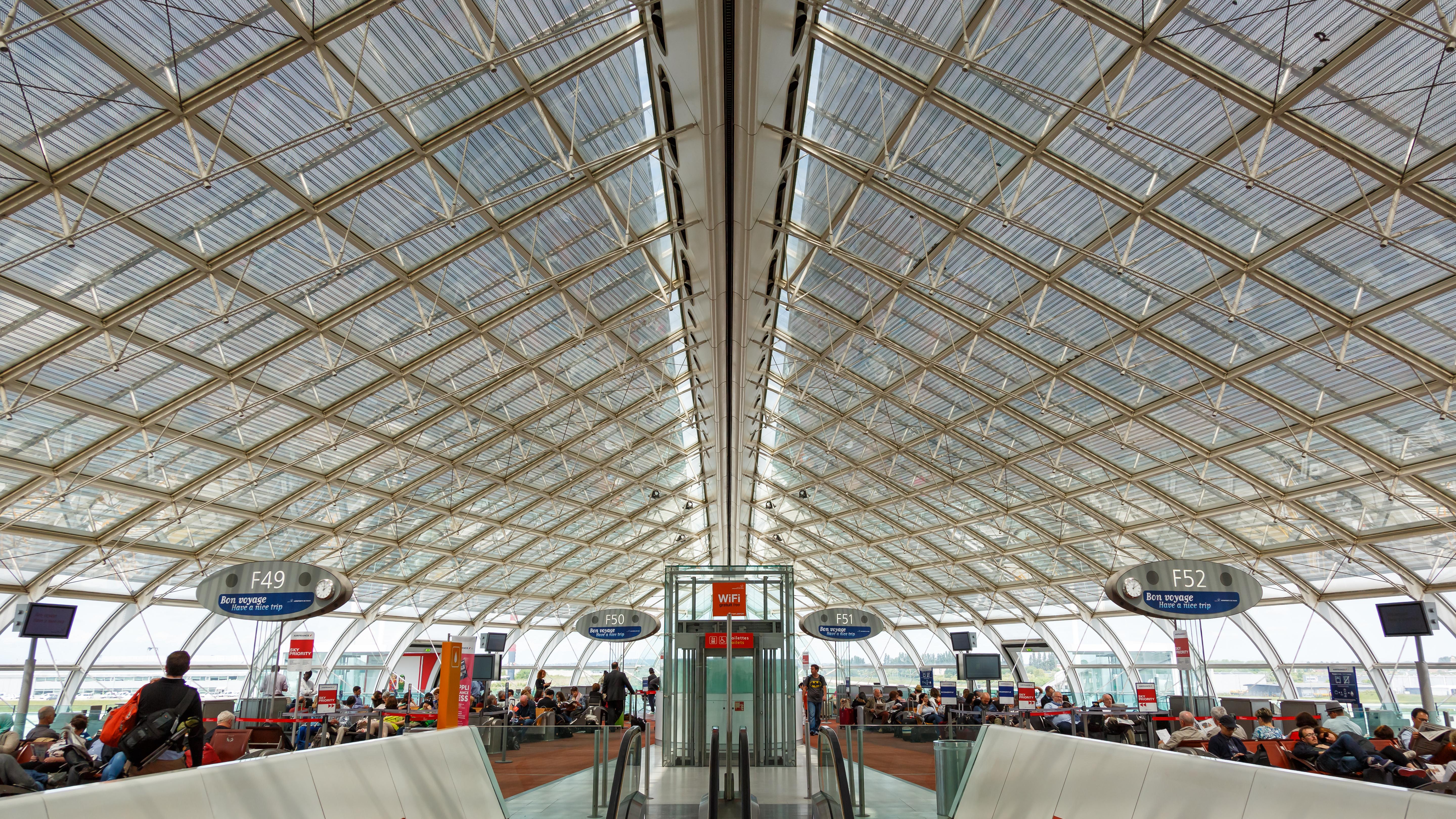
Air travel across Europe is booming again, but not all airports are delivering the same experience. Based on recent rankings from Skytrax and operational data from Airports Council International (ACI), a clear gap is emerging between Europe’s best-performing hubs and those struggling with delays, congestion and staffing issues.
The Best Airports in Europe Right Now
According to the latest Skytrax rankings, Europe’s top airports continue to be dominated by major international hubs offering strong passenger experience, efficiency, and infrastructure.
Leading the list is Paris Charles de Gaulle Airport, which continues to remain the highest-ranked airport in Europe and among the top globally.
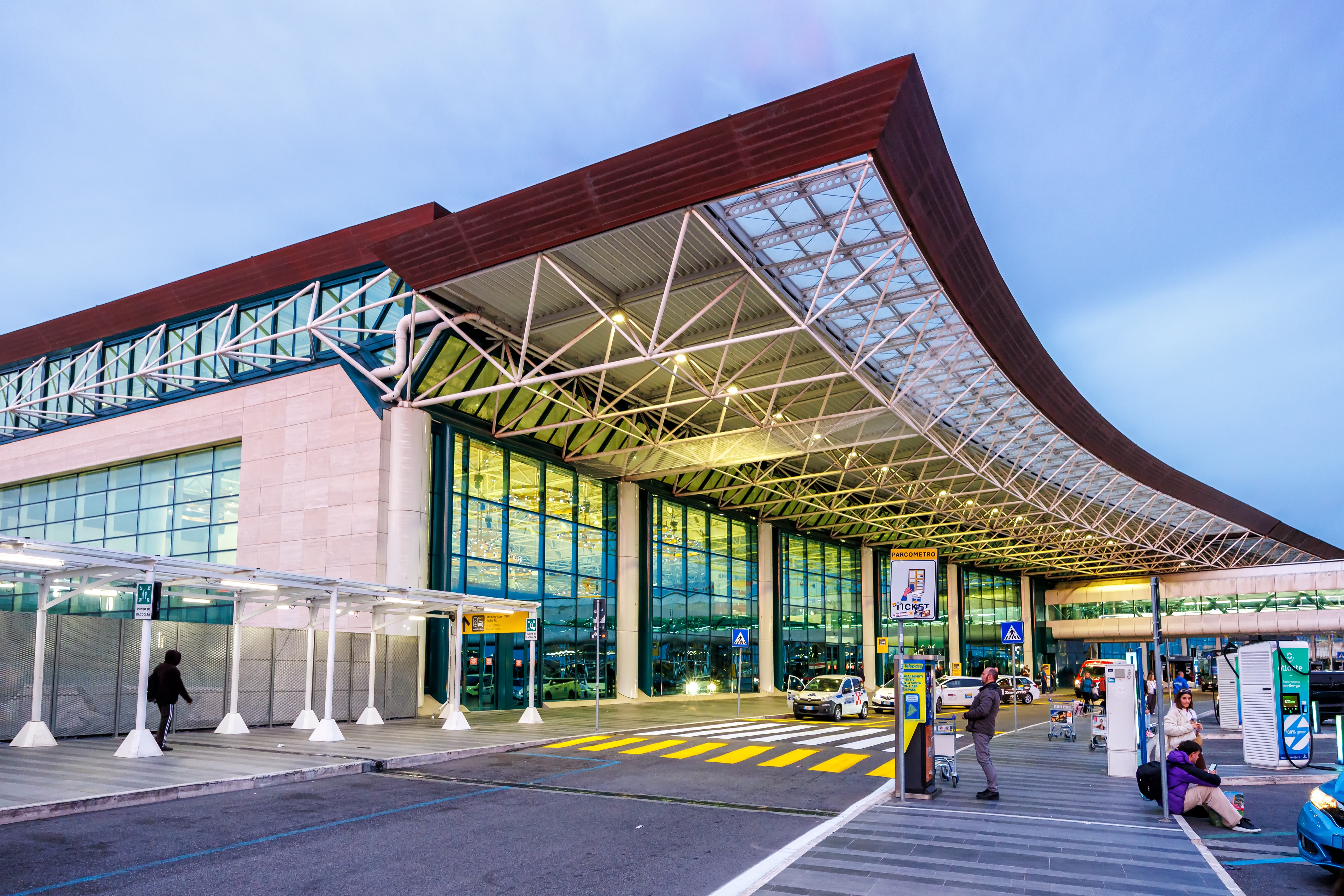 Rome Fiumicino Airport. Photo: Markus Mainka / Shutterstock
Close behind are Rome Fiumicino Airport, praised for cleanliness and service quality, Istanbul Airport, known as a fast-growing global hub with strong passenger volumes, and Munich Airport, appreciated for its efficiency and enhanced passenger comfort.
 Istanbul Airport. Photo: Shutterstock
These airports consistently rank at the top thanks to better infrastructure, smoother transfers, and strong customer satisfaction scores.
Worst-Performing Airports
Some of Europe’s largest airports are also the most under strain. Istanbul Airport recently became Europe’s busiest airport by passenger traffic, overtaking Heathrow Airport in early 2026.
However, as expected, high traffic also comes with trade-offs. Major hubs like Heathrow, Amsterdam Airport Schiphol, and Frankfurt Airport continue to face capacity limits, delays and operational pressure, especially during peak periods.
While there’s no single “worst” list across Europe, several indicators suggest airports are struggling. One example is Amsterdam Airport Schiphol, frequently in the news for ongoing congestion and weather-related disruption, especially in the cold season.
Despite its high rankings, Paris Charles de Gaulle Airport is also viewed as one of the most stressful hubs globally due to its size and complexity.
Frankfurt Airport is also known for its frequent delays linked to traffic volume and operational constraints.
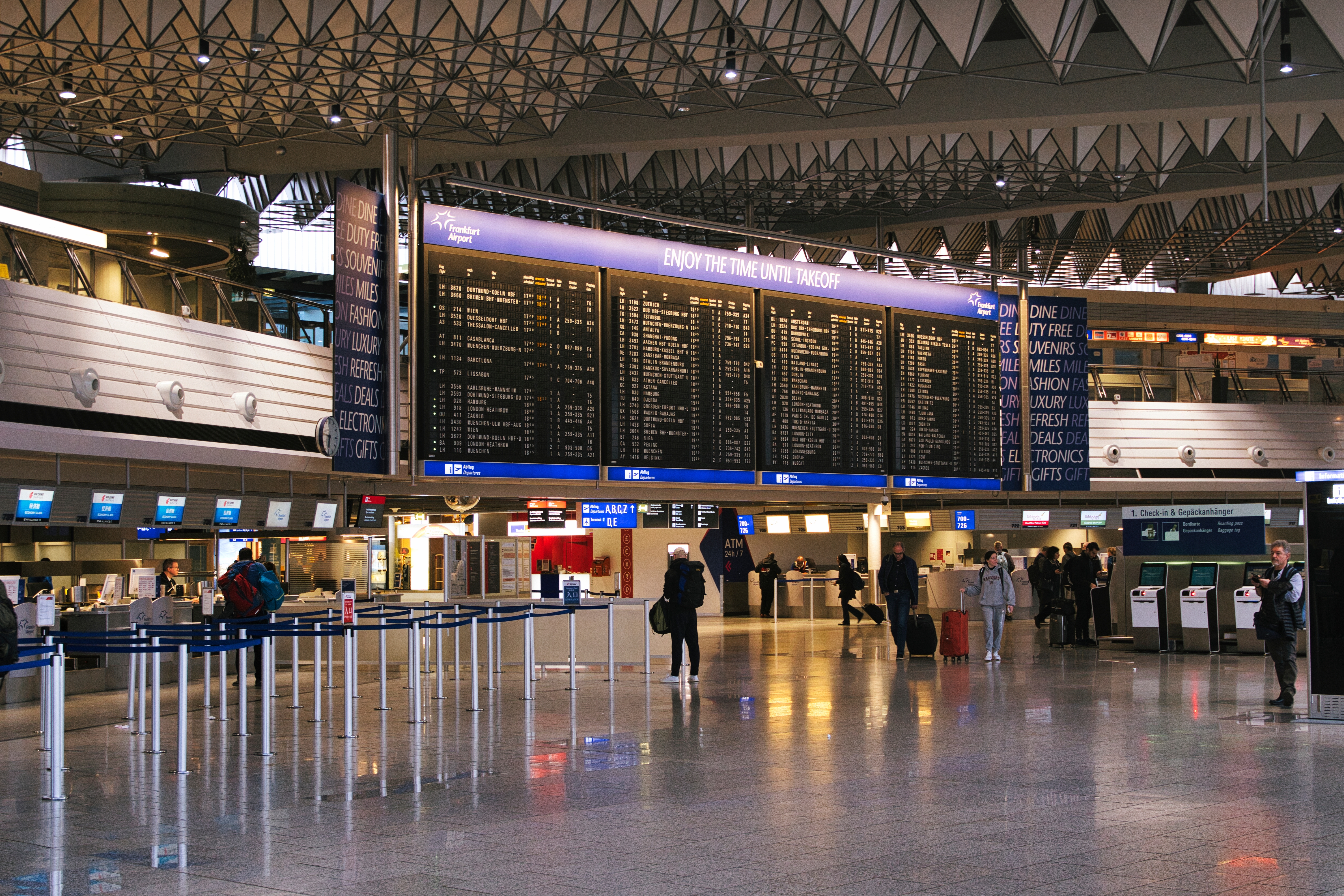 Frankfurt Airport. Photo: Hans Elmo / Shutterstock
A recent analysis also highlighted that major hubs across Europe are increasingly affected by congestion, long queues, and transfer complexity.
Adding to the pressure, new systems like the EU’s Entry-Exit System are already causing long queues at border control in several countries.
The difference between the best and worst airports in Europe comes down to a few key factors:
-
-Infrastructure investment, with newer hubs outperforming legacy airports
-
-Passenger volume, where bigger is not always better
-
-Staffing and automation, critical aspects for handling peak demand
-
-External pressures, including fuel costs, geopolitics and airspace limits
Bottom line, even smaller airports are now at risk, with industry groups warning that rising costs and disruptions could threaten their operations.