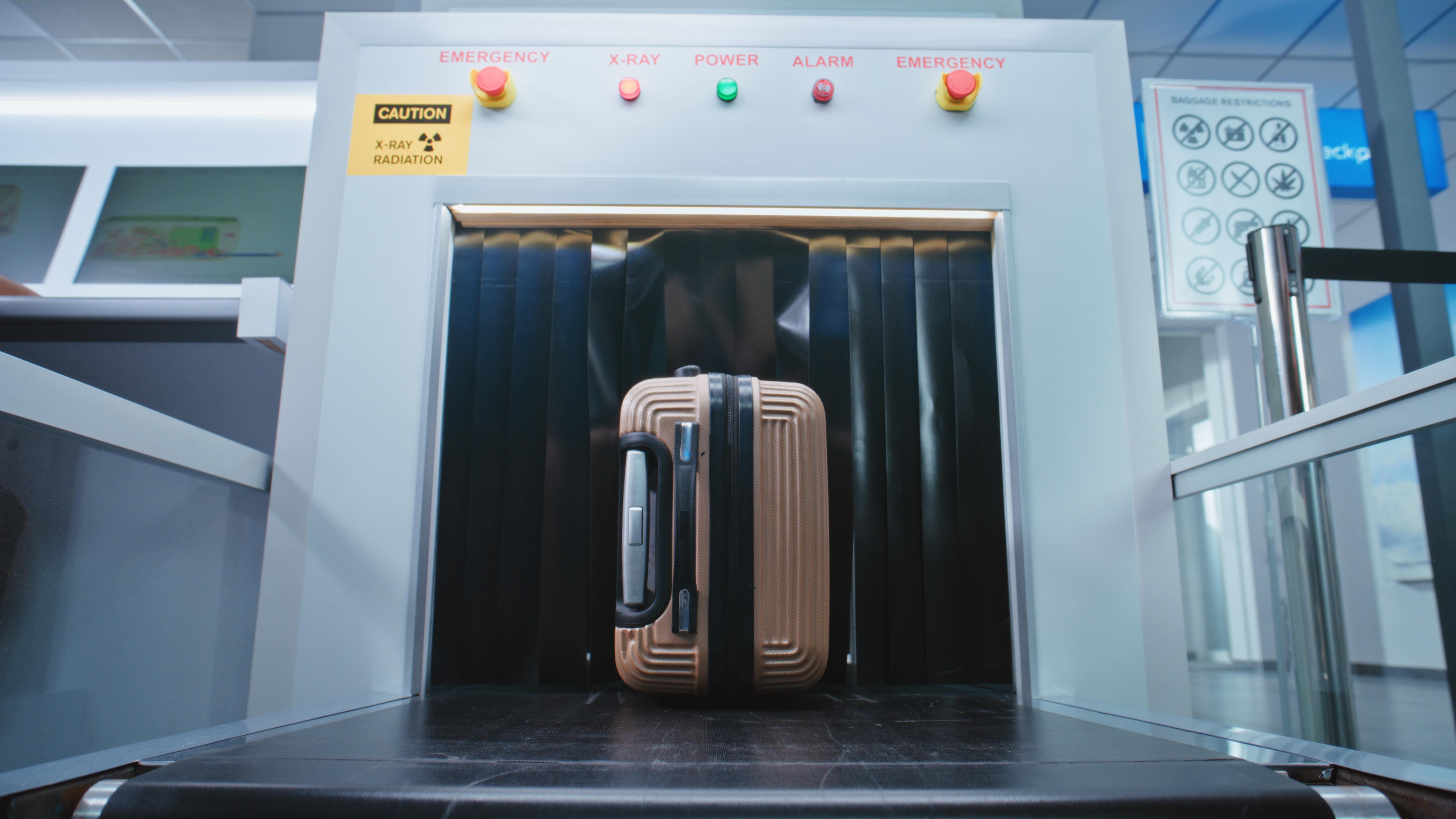
The airline industry continues to see improvements in baggage handling performance, but the economic cost of each incident is still enormous. According to the new SITA Baggage IT Insights 2026 report, the average cost of a mishandled bag, whether delayed, damaged or lost, is $260. Overall, baggage handling errors cost the airline industry an estimated $6.3 billion in 2025.
However, the data shows an improving trend. In 2025, the number of mishandled bags decreased by 19%. The improvement is attributed to the expansion of tracking systems, automation, robotics, artificial intelligence and real-time updates for passengers.
The report states that a completely lost suitcase is the most expensive to handle, with an average cost of $635, while a delayed suitcase costs an average of $245 and a damaged suitcase costs $255. The report notes that about 70% of the cost of lost or damaged luggage stems from compensation to passengers, while for delayed luggage, the bulk of the cost consists of handling, locating, reshipping and delivering to the customer.
The biggest challenge continues to be connecting flights. Almost 39% of baggage delays are caused by luggage not being transferred to the connecting flight in time, while errors in loading, unloading or labeling are another significant part of the problem.
Thanks to AI and AirTag
One of the key highlights of the report is the shift from reactive systems to intelligent systems based on artificial intelligence. These systems are able to predict congestion, identify the risk of delays, automatically reroute luggage in the event of a flight change, alert crews in real time, and even estimate baggage arrival times in advance.
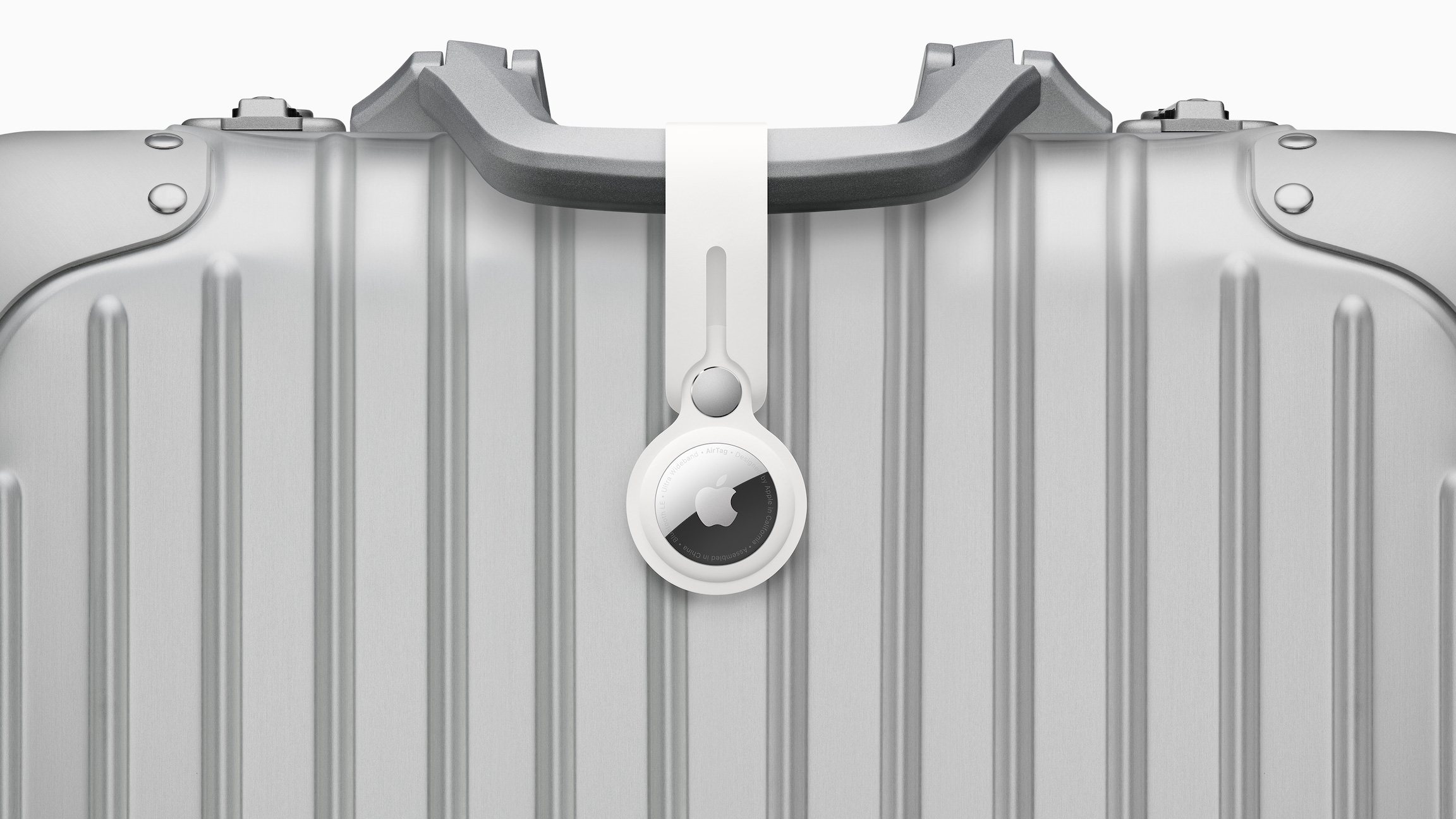 Apple's AirTag. Photo: PR
At the same time, collaborations with technology giants are starting to show results. The integration of Apple AirTag technology resulted in a 90% decrease in the number of bags declared permanently lost, and a 26% reduction in the time it took to locate delayed bags.
Google has also integrated the FindHub service into the system, allowing passengers to securely share their luggage location with the airline, which helps speed up the tracking and return process.
By region, Asia and the Pacific performed best with only 3.41 incidents per thousand passengers and an average cost of $210 per bag. Europe, on the other hand, continues to face a higher rate of 10.5 incidents per thousand passengers and an average cost of $295 per bag, mainly due to the high number of connecting flights and operational constraints.
In December, Samsung launched the Smart Tagged Baggage service on Turkish Airlines flights, allowing passengers to place a tiny device in their suitcase and attach a location report to their lost-luggage complaint.
In March 2026, Scandinavian Airlines partnered with Google to launch a new service to help locate lost luggage.