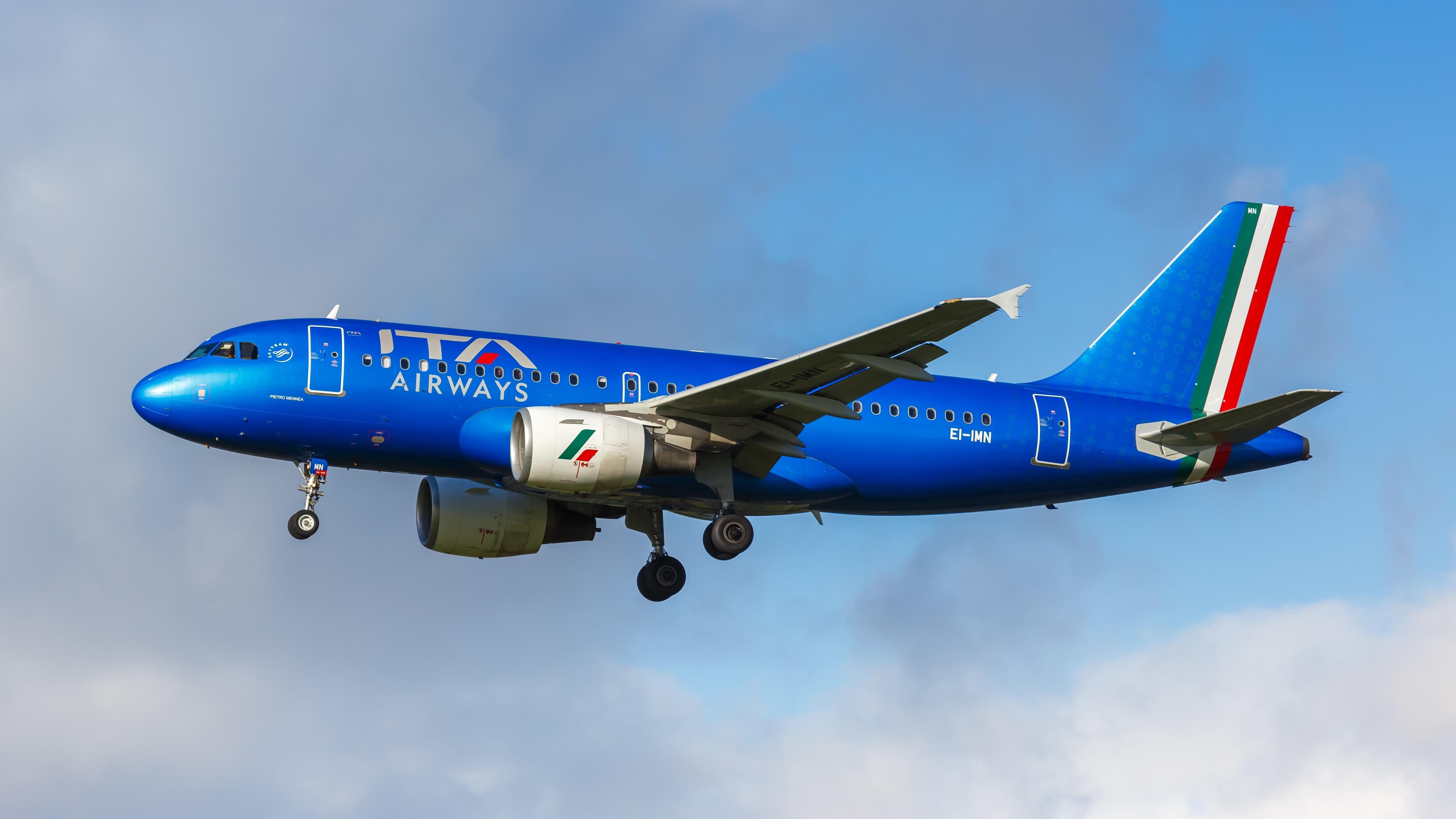
Italy's flag carrier ITA Airways has unveiled a groundbreaking mixed virtual reality training system aimed at changing the way cabin crew learn to operate aircraft doors and emergency exits.
The airline is the first in Europe to deploy the technology for Airbus A220 and Airbus A321neo training, marking another step in the digitalization of aviation training.
Robotic Arm and Interactive VR Headsets
The innovative device combines an immersive virtual reality environment with a programmable robotic arm that provides force feedback, enabling trainees to experience the movement, weight, pressure, and locking mechanisms of aircraft doors with remarkable accuracy.
Through a VR headset, cabin crew can interact with a fully simulated aircraft environment, including cabin doors, over-wing exits, controls, and emergency procedures. The software supports a wide range of training scenarios, from routine operations to emergency situations, while also collecting real-time performance data.
According to ITA Airways Chief Operations Officer and Accountable Manager Marzio Caneva, the airline sees mixed reality as a way to modernize aviation training while strengthening safety standards.
“Mixed reality allows us to overcome the limitations of traditional training and create highly realistic, adaptable, and safe training experiences,” Caneva said.
The system was developed as part of integration projects with the Lufthansa Group and offers several advantages over traditional cabin crew training methods. The robotic arm reproduces the resistance of handles and the weight of doors, while the VR environment adds realistic cabin sounds, announcements, and visual details.
Instructors can seamlessly switch between normal, abnormal, and emergency scenarios without modifying physical equipment. The platform can also simulate technical malfunctions, adverse weather conditions, and other complex operational events.
Another major benefit is flexibility, as a single device can replicate multiple aircraft door configurations, significantly reducing the need for dedicated training hardware and full-scale fuselage mockups. This not only lowers maintenance costs but also reduces the space required for training facilities.
Initially, the technology will be used for Airbus A220 over-wing exits and Airbus A321neo exit doors, though ITA Airways says it could eventually be expanded to support additional aircraft types across its fleet.
The move underscores a broader trend across the aviation industry, where airlines are increasingly turning to virtual and mixed reality technologies to improve training efficiency, enhance safety outcomes, and support sustainability goals.
Lufthansa also emplyos AR and VR tools to simulate aircraft engine maintenance in classroom settings
Last year, Etihad partnered with InfiVR, implementing Immersive Virtual Reality solutions like AI-powered Cabin Crew VR Training modules that "simulate high-stress aviation training and standard In-cabin Procedures, helping crew members sharpen their skills in a safe, controlled environment."
The list also included hands-on VR training for ground crew and realistic simulations for baggage trucks, ground vehicles, tow and catering vehicles, and passenger buses to cut on-ground incidents.