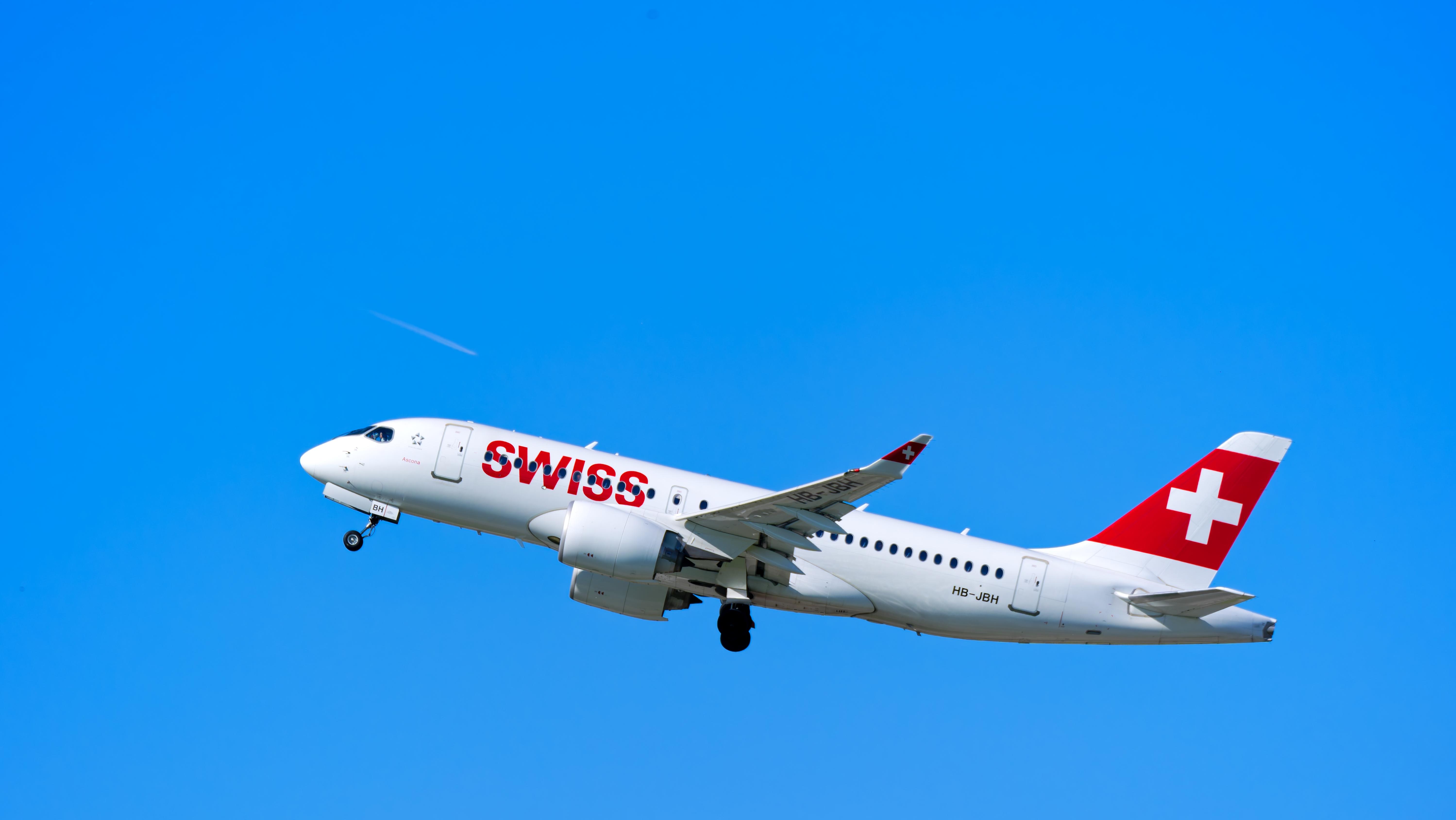
SWISS is expanding its push toward cleaner aviation with a new partnership aimed at accelerating the development and use of Sustainable Aviation Fuel, commonly known as SAF. The airline has joined forces with Swiss cleantech company Metafuels in an effort to support new production methods that could help reduce aviation emissions over the long term.
The collaboration focuses on converting renewable feedstocks into SAF using a process developed by Metafuels. According to the company, the technology efficiently converts green methanol into aviation fuel for use in today’s aircraft without requiring changes to existing infrastructure.
“The technology is inherently scalable. The synthetic SAF produced can be used within existing infrastructure and today’s aircraft fleets. The agreement with Metafuels strengthens both the commercial development of its technology and the long-standing commitment of SWISS to innovative Swiss solutions for more sustainable aviation,” says SWISS.
Alongside this new partnership, SWISS is also continuing its work in the emerging field of solar fuels. The airline has been a strategic partner of Synhelion since 2022, supporting efforts to bring sun-based fuel technology closer to commercial use.
“In view of the limited availability of biofuels, SWISS is supporting the development of solar fuels and has been a strategic partner of Synhelion, a pioneer in the sustainable solar fuel field, since early 2022. The aim of the collaboration is to accelerate the market launch of this forward-looking technology, to bring pilot production projects in Europe to fruition and to scale up global manufacturing capacities," added SWISS.
In 2024, Synhelion opened the first demonstration plant that can produce solar fuel in the world, with help from SWISS and the Lufthansa Group as partners. In 2025, SWISS became the pioneering airline to obtain a symbolic delivery of sun-to-liquid fuel from Synhelion, which it used on a regular flight.
Despite progress in alternative fuel technologies, SWISS highlighted the continued importance of liquid fuels in aviation. The airline pointed out that commercial aircraft have long operational lifespans, meaning conventional fuels will remain in use for decades, particularly on long haul routes where alternative propulsion systems are still limited.
“Today’s commercial aircraft have a service life of more than 25 years, during which they continue to run on liquid fuels. Even if the much-vaunted electric, hybrid and hydrogen-powered aircraft projects come to fruition as planned, the requisite rollover of present aircraft fleets will extend well beyond 2050."
"At current development levels, the new power technologies are also only suitable for short- and medium-haul aircraft: long-haul flights will remain reliant on kerosene power for the foreseeable future. And some 80% of all of aviation’s CO2 emissions are generated by flights of more than 1,500 kilometers.”
The airline says partnerships like these are essential to bridging the gap between today’s technology and the aviation industry’s long-term sustainability goals.
The Wheels Are Spinning in the Industry
As a reminder, at the end of January, Israel’s flag carrier El Al also announced it would join an important SAF initiative led by Boeing aimed at developing less polluting fuels.
In August 2025, Air France received its 46th Airbus A220-300 in a historic delivery flight fueled by 50% SAF. In February 2026, Heathrow Airport said it would allocate £80 million ($100 million) to airlines to reduce the cost gap with conventional jet fuel, aiming to reduce 600,000 tonnes of carbon emissions a year.
Starting January 1, 2026, Athens International Airport is exclusively powered by clean, renewable electricity generated on-site, with the country's second-ranked airport, Thessaloniki, soon to follow.