The Ultimate Sky Show Is Coming: Where and When to Watch It
The Ultimate Sky Show Is Coming: Where and When to Watch It
The Ultimate Sky Show Is Coming: Where and When to Watch It
Tomorrow: A total solar eclipse will cross northern Spain and northeastern Portugal, with totality lasting up to 1 minute 40 seconds. Where else is the eclipse visible? All the details
Europe is preparing for a rare celestial event tomorrow, August 12, 2026, when a total solar eclipse will sweep across parts of the continent, offering travelers a chance to witness daytime darkness and the Sun's outer atmosphere whether aboard aircraft, cruise ships, in front of their computers, or while exploring Spain or Portugal.
According to the European Space Agency (ESA), totality will be visible from eastern Greenland, western Iceland, northern Spain and the northeastern corner of Portugal. During the brief period of totality, the Moon will completely cover the Sun, allowing the faint solar corona to become visible
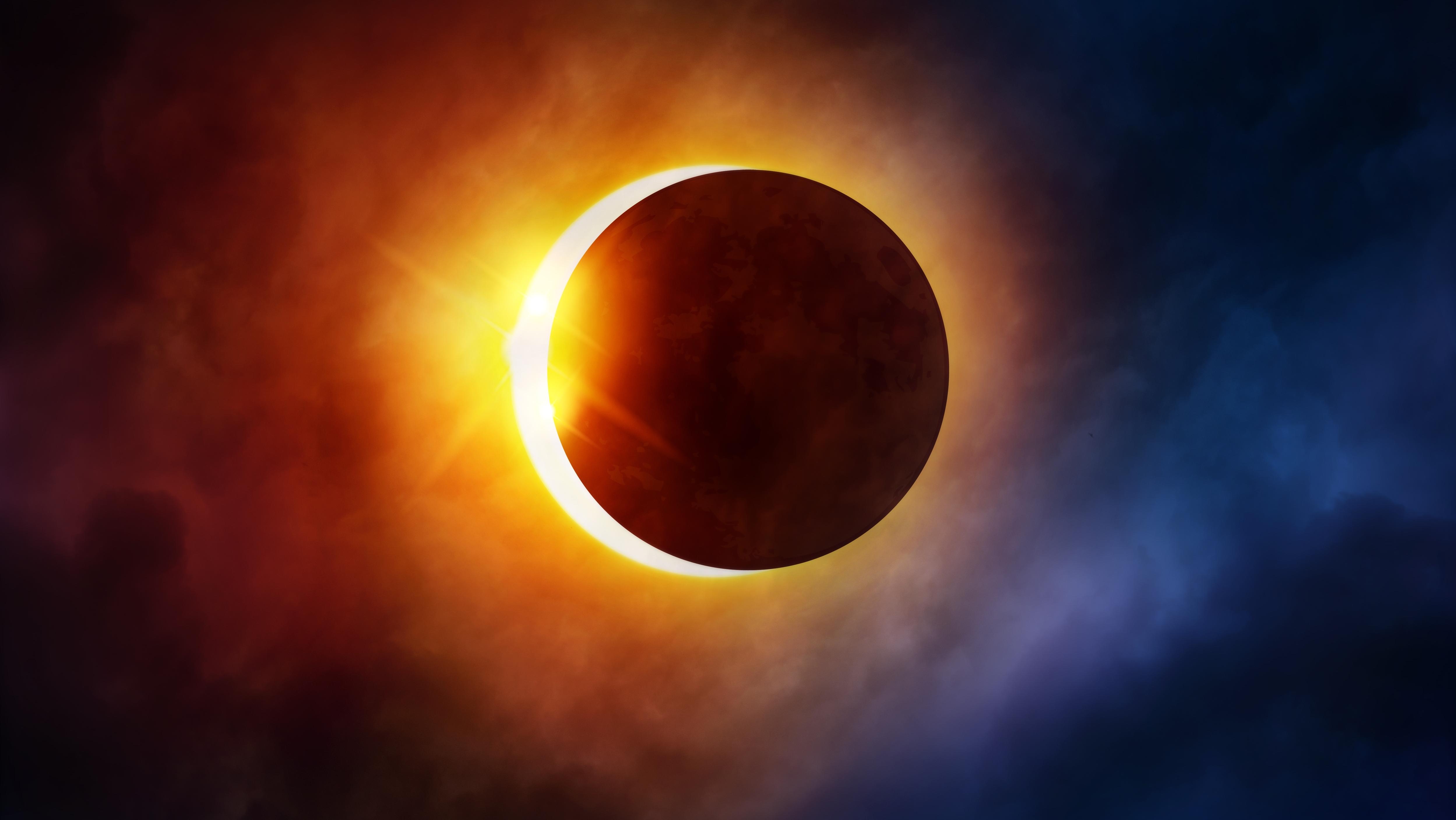
Solar eclipse. Photo: Shutterstock
Spain Set for the Main European Show
Spain will be one of the most accessible destinations for travelers hoping to experience totality. The ESA says the Moon's shadow will cross the Iberian Peninsula, with total darkness lasting up to 1 minute and 40 seconds in parts of the country.
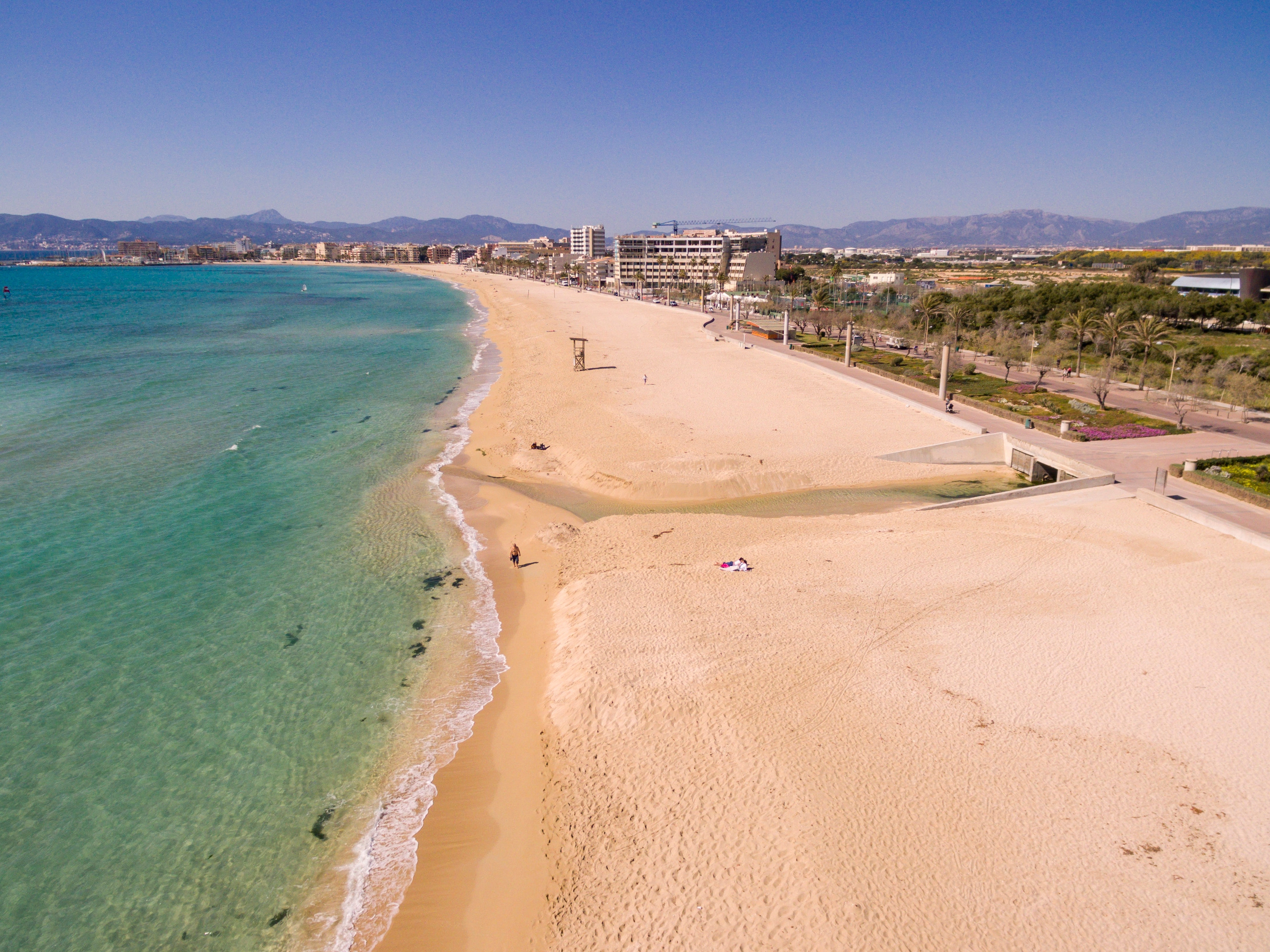
Palma de Mallorca will offer one of the longest eclipse experiences in Spain, offering the chance to enjoy a truly spectacular sunset-like eclipse over the Mediterranean.
Palma de Mallorca. Photo: Shutterstock
Another excellent option is the area north of Madrid, where you can combine the eclipse with visits to some of central Spain’s most impressive historic cities.
Burgos. Photo: Shutterstock
The Canary Islands will not experience totality, but the islands will still see a substantial partial eclipse, with approximately 66% to 74% of the Sun covered.
Outside the path of totality, much of Europe will experience a partial eclipse. The amount of the Sun covered will vary depending on location.
When and Where: Eclipse Times and Locations
The eclipse is expected to attract interest from travelers looking for prime viewing locations, particularly in northern Spain and other areas along the path of totality.
For visitors planning to travel specifically for the event, the exact location will matter. Areas outside the totality zone will experience a partial eclipse rather than the complete daytime darkness associated with totality.
-In Greenland, totality will begin at 4:35 p.m. local time in Scoresby Sund, lasting 1 minute 46 seconds.
-In Iceland, Snæfellsjökull will experience 2 minutes 10 seconds of totality from 5:45 p.m., while Reykjavik will see 1 minute 1 second from 5:48 p.m.
-In Spain, totality will begin at 8:26 p.m. in Gijón, lasting 1 minute 46 seconds, followed by A Coruña at 8:27 p.m. for 1 minute 15 seconds, Burgos at 8:28 p.m. for 1 minute 44 seconds, Mallorca at 8:31 p.m. for 1 minute 36 seconds. Several major cities outside the path of totality will see a partial eclipse. Madrid will experience an exceptionally deep partial eclipse, with 99.96% of the Sun's disk covered at 8:32 p.m., while Barcelona will reach 99.82% coverage at 8:29 p.m.
-Other high-coverage locations include Nice, France, at 95%, Lisbon at 94%, Dublin at 94%, Paris at 92%, London at 91%, Berlin at 84% and Oslo at 83%. -Even New York City will see a partial eclipse, although only 9% of the Sun will be covered at 1:54 p.m. local time.
The eclipse will also be part of a sequence of major solar events visible from Europe. On August 2, 2027, another total solar eclipse will cross Spain, northern Africa and the Middle East.
A year later, on January 26, 2028, an annular solar eclipse will be visible from parts of South America, Portugal and Spain, while other European countries will see a partial eclipse.
Eye Protection Remains Essential
Despite the excitement surrounding the event, the ESA warns that looking directly at the Sun can cause permanent eye damage.
Proper solar viewing equipment, such as specialized solar eclipse glasses, should be used when observing the Sun. Ordinary sunglasses are not sufficient protection.
The warning applies even during a partial eclipse, when the Sun remains partly visible.
For travelers planning to watch the August 12 eclipse, choosing a location within the path of totality is only part of the preparation. Checking local viewing conditions and obtaining appropriate eye protection should also be essential before the event.
We and our partners use cookies to enhance your website experience, learn how our site is used, offer personalised features, measure the effectiveness of our services, and tailor content and ads to your interests while you navigate on the web or interact with us across devices. By clicking "Continue" or continuing to browse our site you are agreeing to our and our partners use of cookies. For more information see